
Self-Mummification: The Japanese Monks Mummified Themselves While Alive
Mummification to the next level: Buddhist Sokushinbutsu.
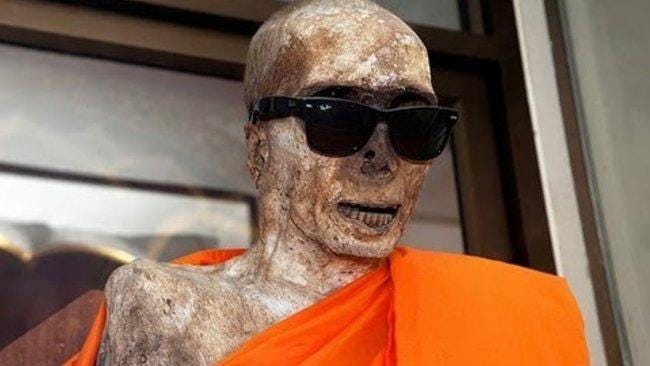
Today it seems an impossible idea to mummify yourself — but it was not an alien concept back in the 11th and 19th centuries.
It was a religious practise called “sokushinbutsu”, which Buddhist monks would undergo in Japan.
We may consider it a brutal process, but monks sought it as a way of achieving further enlightenment. Pursuing higher status, sokushinbutsu monks would volunteer for the process.
They happily surrendered to a difficult part: to deprive themselves of the food before entombing themselves while still alive.
This practice has been banned in Japan, but there are still Japanese mummy monks who survive today.
There exists a Dainichi temple that showcases mummies through an eerie window. The temple preserves the sacred ritual through the colorful robes and preserved bones of monks.
Let’s dig deep into the monks’ life of self-denial:
Self-Mummification: A 3,000-day Process
Verging on the self-mummification journey was not a walk in the park. The monks were required to undergo 3000 days of ritualistic training — that translates to approx eight years.
The preparation process is a stepping-stone — a crucial transitional period for monks to transform one’s body into a lasting relic.
During the formal training, the most focused area revolved around diet. The Japanese monks aiming for self-mummification had to stop grain and cereal consumption.
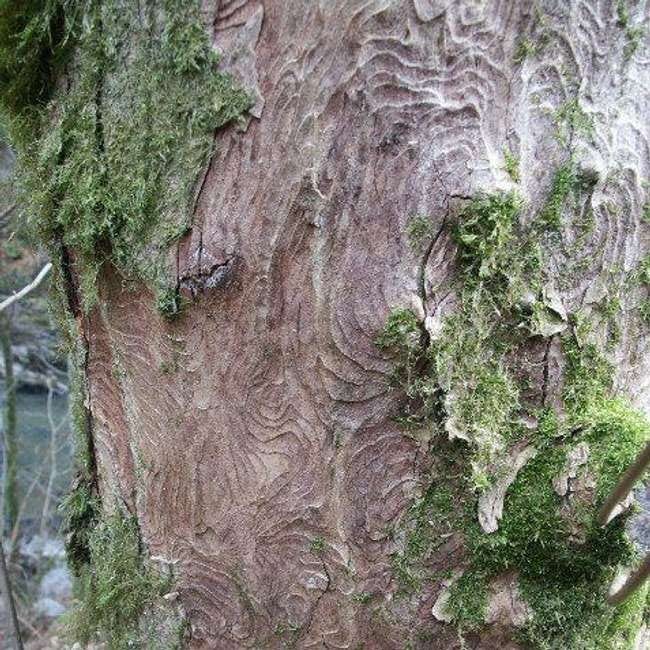
They had to solely rely on eating berries and nuts for the first thousand days. Then, they would dedicate their next thousand days to consuming stuff like tree bark, resin and pine needles — the reason why the sokushinbutsu diet was termed mainly as “ “tree-eating.”
If you think that was intense, then hold on to your thoughts as some x-rays of sokushinbutsu mummies have revealed the consumption of river stones too.
Why such strict dieting & that too for two thousand days?
Well, it was a vital step that allowed monk’s bodies to further waste away through dehydration and extreme starvation.
With starvation, the monk got rid of water and fat — the material that promotes decaying after death. The process made their bodies resistant to insects and bacteria.
The extended starvation period was a prerequisite for suffering. Further, starvation also served as a solidification base for what lay ahead.
Monks drank toxic urushi tea & arsenic water
During the process, monks were supposed to ingest toxic herbs and nuts for inhibiting the bacteria growth in their bodies.
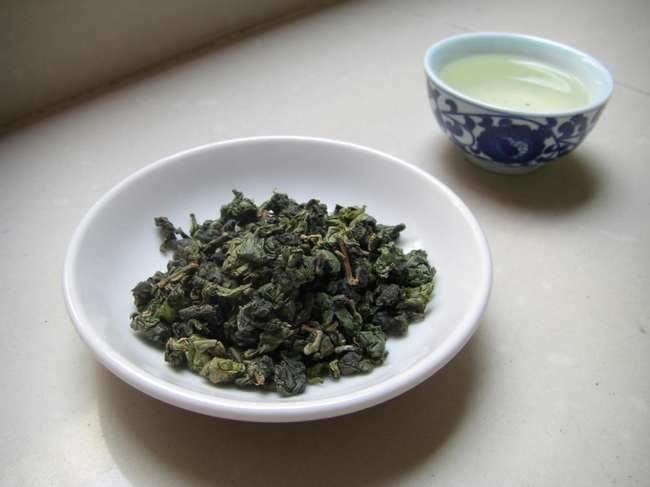
They used to prepare a popular tea out of Urushi trees’ bark. The tree’s sap contained abrasive chemicals capable of causing rashes — just like poison ivy.
What was the purpose of drinking the very tea? It would speed up the process of a monk’s death and also aid in preserving one’s body.
Apart from consuming Urushi tea, many monks would also drink arsenic water for hastening death and preventing decay. They used to get the water from the nearby spring as it was loaded with high concentrations of arsenic.
Monks entombed themselves alive
The next step that followed after intense starvation and meditation was retirement. The monks would retire to the small nearby tomb — a chamber, not larger than their own bodies.
They would go ten feet below the ground in a lotus position. Their coffin would be covered with charcoal, but enough space would be left out for a bamboo rod to get inserted to allow breathing.
In such a position, monks would continue meditating and ringing a bell, signifying others of being alive. If the ring ceases, people would assume that the monk had died.
The tomb would then be sealed with corpses left underground for another 1000 days.
The results of success and failure
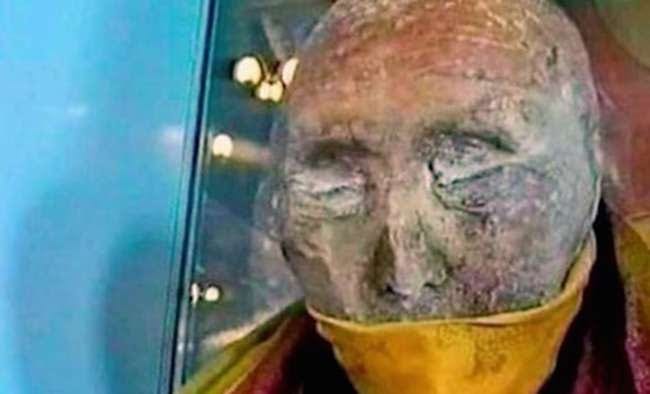
After the completion of 1000 days, the body would be excavated. There had been numerous instances where the bodies had simply rot, making the monks remain unfit for worship.
People would simply rebury the remains after an exorcism. But, in the case where bodies didn’t show any sign of decay then the monk’s skin got treated with incense for ensuring longevity. The preserved body would further be worshipped.
The mummified monks were seen as Buddhas so the preserved bodies would be dressed in robes and placed in temples for people to see. The eyes of monks would get removed — but many people kept believing mummies were capable of seeing through the souls of the living.
How it all started with just a single priest?
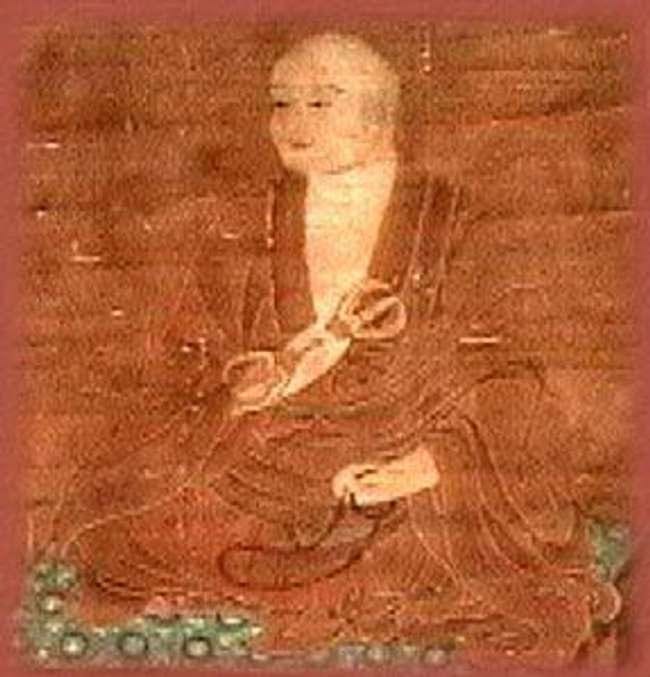
Now how it all started? A 9th-century Japanese monk, Kukai, would practice Shugendo with his followers — the act of obtaining spiritual power.
Nearing the end of his life, Kukai went into deep meditation, where he denied all water and food, such that he eventually died.
When his tomb was opened after his death, he was found in a life-like state — a condition similar to sleep. Having seen the example of Kukai, the other monks started the process of “sokushinbutsu” which kept evolving for centuries.
The surviving mummies today
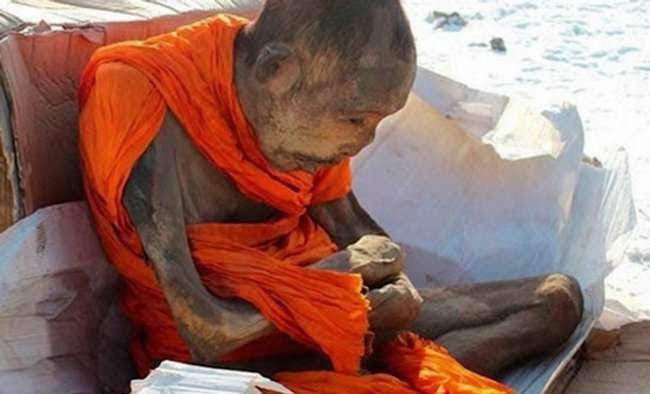
If we talk about the statistics, then about a hundred brave monks underwent the procedure, but only 28 are known to have succeeded. Not each of them is for public display, but most of them can be visited across several various Japanese temples.
The fate of such practice: Sokushinbutsu is illegal
This practice was finally made illegal in 1877 — almost a decade after. The emperor at the time further prohibited the opening of the monks who attempted sokushinbutsu.
Those who had already spent years preparing for self-mummification eventually had to let go of their wish.
Now a normal person would just deem this practice a suicide, but monks who happily attempted self-mummification considered it a sacrifice. For whom? For all humankind.
They practised sokushinbutsu to protect people; they believed as long as their bodies were tied to Earth, humanity was safe.
More from the author:
References:


