
7 Most Surprising Jobs World Leaders Held Before Rising To Power
From bus driver to the music composer: odd jobs of some world leaders.
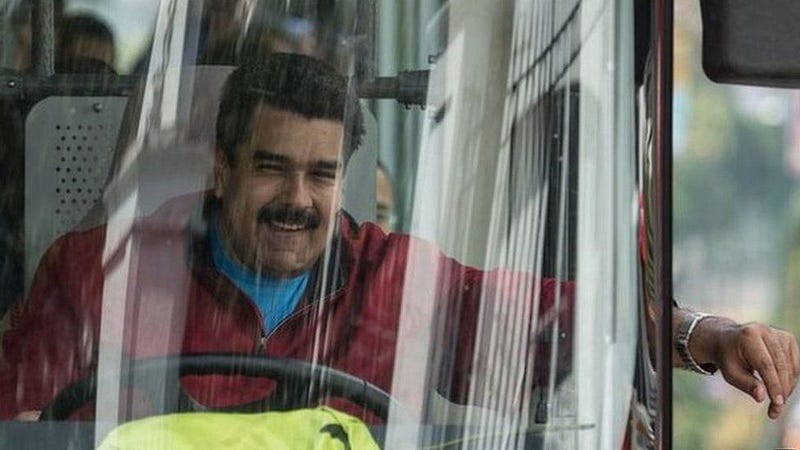
Several world leaders followed the conventional path to pursue politics: a study of law or military training. But, interestingly, many others had rather unusual career paths which ultimately got routed towards the country’s political power.
Many of us are already aware of the career background of people like US presidents Ronald Reagan (R-California) and Jimmy Carter (D-Georgia) Reagan hailed from Hollywood while Carter served as a naval officer and ran peanut farm.
Apart from such personalities, there are many other inspirations around us; from selling ties to making up his way in the government, President Harry S. Truman’s (D-Missouri) journey is motivational.
Let’s dive into the lives of a few individuals and drop our jaws after knowing what’s possible — maybe you can become the next world leader.
1. Joseph Stalin: A Weatherman
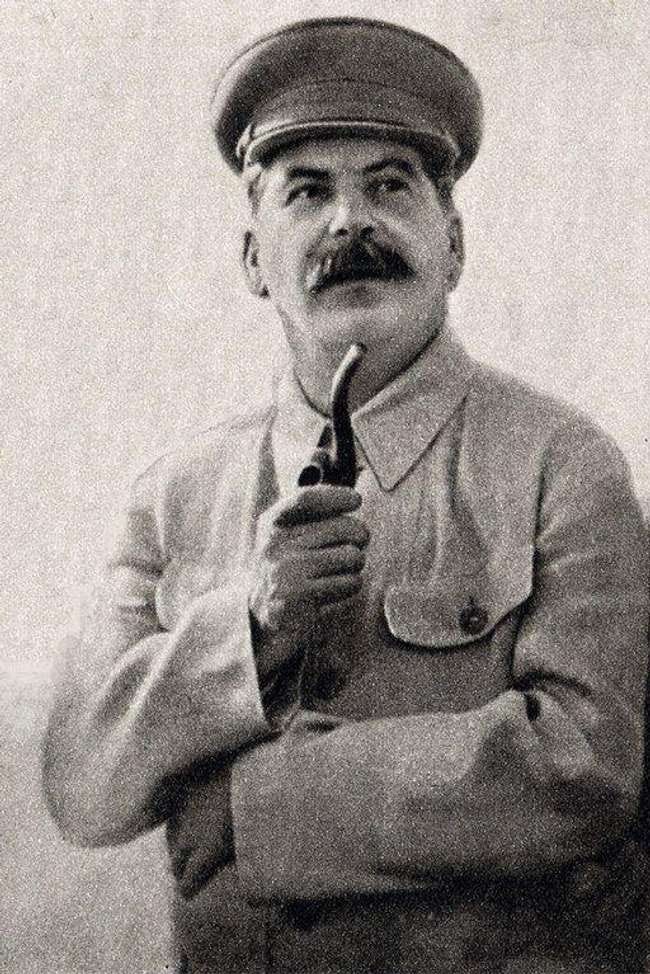
The name of Joseph Stalin tops the list of history’s most notorious dictators of the 20th century.
He led the Soviet Union from the mid-1920s and by 1937 proved his exceptional leadership qualities — as by then, and he had gotten complete control of the state and the Communist Party.
Stalin grew up in poverty; he was the son of a cobbler and washerwoman. His initial aspiration was to become a priest who led him to join the Spiritual Seminary of Tiflis.
The uninspiring instructors at school took away Stalin’s interest in the subject, so he dropped off and joined a forbidden book club. It was through the club that he got introduced to Marxism.
At the age of 21, he took a job at the Main Physical Observatory in Tiflis as an observer and recorded meteorological data. The future general secretary of the communist party had once spent his hours serving an ordinary job.
While at the job, Stalin continued being part of revolutionary activities and organized strikes. Eventually, in 1901, he quitted his job and became a full-time member of a socialist revolutionary movement the Bolshiveks.
2. Borut Pahor, President Of Slovenia: A Model
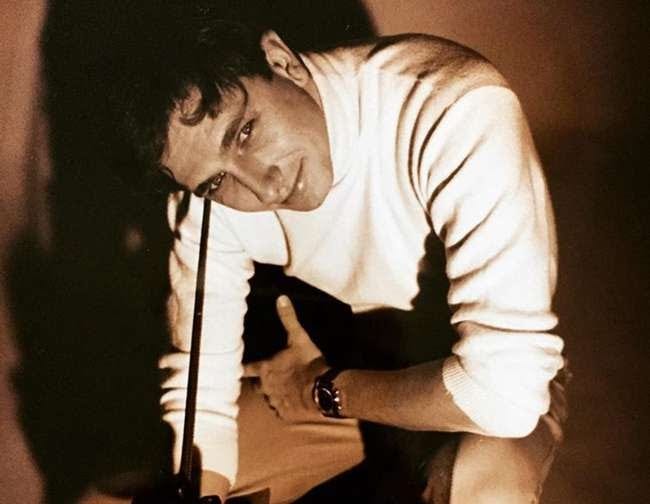
Did you know that Borut Pahor has had one of the most successful political careers but yet he was referred to as a Barbie by his political rivals?
Why such a title? Well, Pahor pursued political science, and to support the study he worked as a male model.
If we talk about the success of Pahor, then he is the first person in Slovenia’s history who served as parliament speaker, president, and prime minister.
The person with such extensive political experience is proud of his past career as a model — in fact, it helps him get his message across.
Leaning for better communication, Pahor posts many photos with varying poses on Instagram — in fact, #Boruting is a hashtag.
3. Nicolás Maduro, President Of Venezuela: A Bus Driver
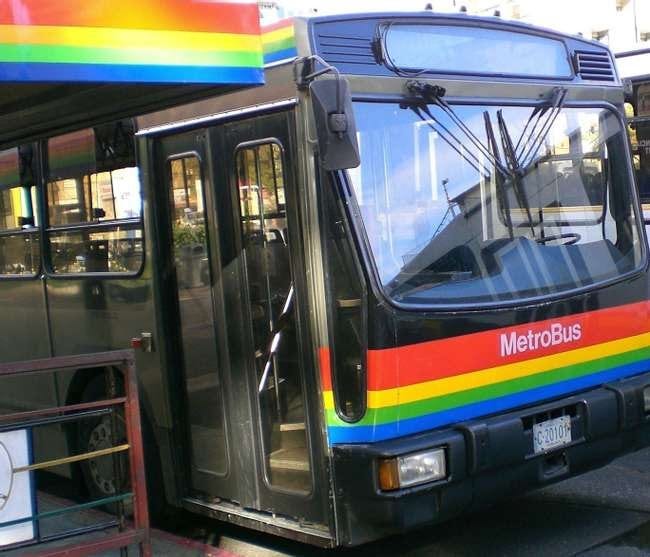
Nicolás Maduro got the Venezuelan presidency in a state of turmoil: crime rates were peaking, and the economy was collapsing. It is indeed a considerable mess to handle for someone who never aspired to become a leader in the first place.
Maduro was the son of a trade union leader and belonged to the working class. Interestingly, he dropped after high school and became a bus driver. He served as the driver for several years for Caracas Metro.
How a bus driver turned a leader? Well, he met the right people at the right time. He met Hugo Chávez in 1993 and supported his Bolivarian Movement at large. In 1998, Chavez had an astonishing electoral victory, upon which Maduro was elected as an MP.
4. Volodymyr Zelensky, President Of Ukraine: Comedian And Actor
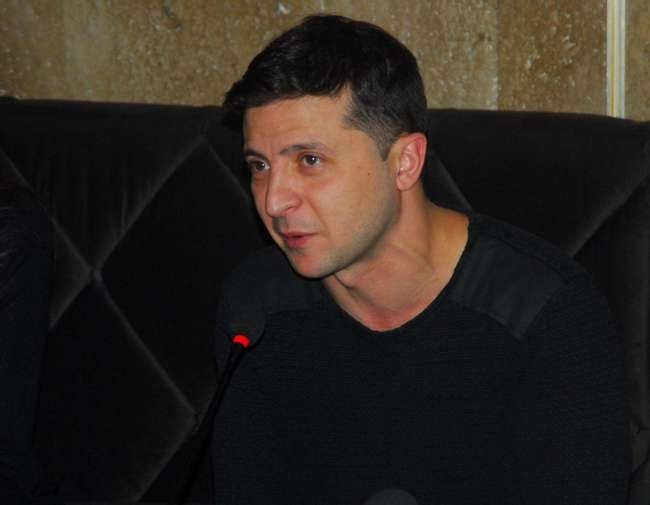
It doesn’t take much to turn fiction into real — something which Zelensky rightfully proved. He went from a TV star to the country’s leader, and his path is incredibly fascinating.
Taking up the role of fictional president of Ukraine, Zelensky appeared on a satirical sitcom named “Servant of the People”. The role resonated with Ukrainians and it was not much long after the sitcom that he actually held the president’s office.
Zelensky began working in the entertainment industry at the age of 17, but he also pursued a law degree.
5. Ivo Josipović, Former President Of Croatia: A Composer
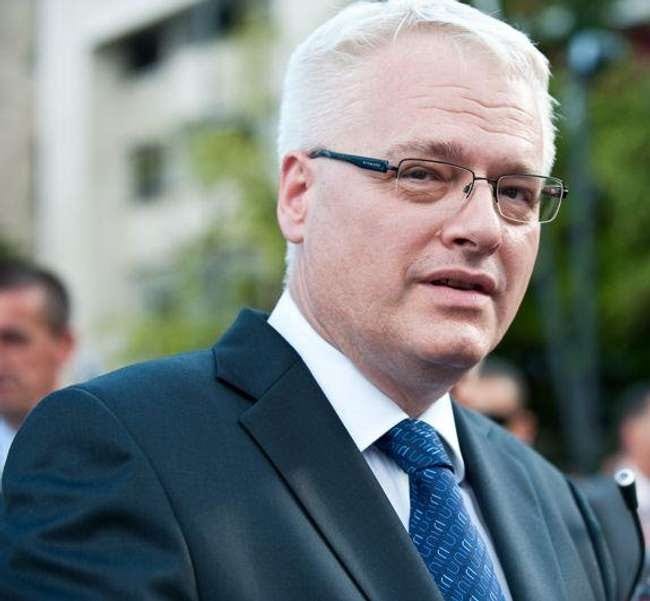
The former president of Croatia had an exciting career path — a path that never coincides with politics in the wildest logical calculation.
He penned an interest in music and thus graduated from Zagreb Music Academy in 1983. He served as the music director of the international classical music festival Music Biennale Zagreb and delivered lectures at the Zagreb Music Academy.
You can get the idea of his musical expertise by knowing him as a composer of at least 45 chamber music pieces that worldwide musicians perform.
The winner of several musical honors, including the Porin Award (1999), had vowed never to give up his musical career. But, he later admitted that running for the presidency was too time-consuming.
6. George Weah, President Of Liberia: A Professional Soccer Player
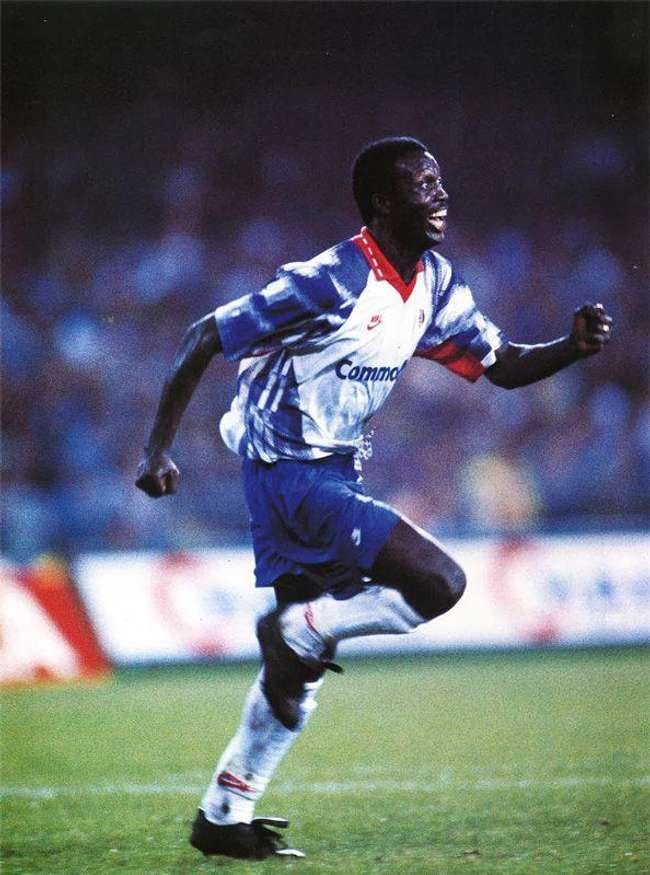
Sportsmen are true leaders as their game instills several qualities in them that are required for the presidency. One of the greatest players on the pitch, George Weah, became Liberia’s president in 2017.
His career as a footballer was dotted with numerous accolades and honors: he won European and World Footballer of the Year titles, fell in the list of most outstanding soccer players in history, and became African Player of the Century in 1996,
His successful career of 18 years gave him his nickname “King George.” His loyal fans lauded him when after retiring from football, he made a shift towards politics in 2005.
He initially lost but retained the sportsman spirit. After years of determination, he was elected to the Liberian senate in 2014 and eventually won the presidential election in 2017 — he got more than 60% of the vote.
7. Mao Zedong, Chairman Of The Communist Party and Dictator Of China: An Assistant Librarian
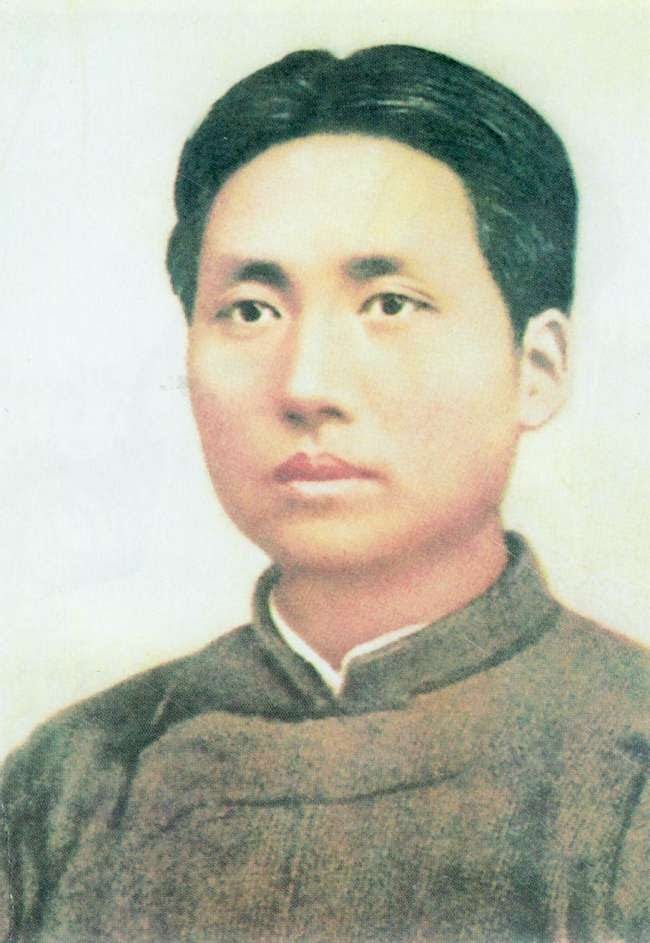
Mao Zedong was one of the most influential leaders, and he once struggled to earn a living. After graduation, he bounced from job to job until settling for an assistant librarian at the university.
The job allowed him to work for political activities side by side, but he soon became tired of the menial source of income and quitted in 1919.
More from the author:
References:
https://www.lovemoney.com/gallerylist/62197/surprising-jobs-of-world-leaders-past-and-present


.jpg)


