
Self-care Isn’t All Bubbles-Baths and Indulgence.
Much of the best self-care actually kind of sucks. Self-care can be difficult, grueling, anxiety inducing and just plain boring.

Self-care has become a buzzword in recent years, often associated with bubble baths, massages, and other indulgent activities. (I’ll must admit I’m guilty of doing this.)While these types of self-care practices can be helpful, there is another kind of self-care that is just as important, probably more so. The kind that is more work than fun or relaxing.
This type of self-care involves taking care of ourselves in ways that are not necessarily enjoyable in the moment, but that contribute to our overall health and well-being in the long run. It may involve things like exercising regularly, eating a balanced diet, getting enough sleep, or even balancing our budget.
For example:

Balancing your budget can also be challenging, and can even bring up feelings of anxiety or stress, especially if you’re already struggling to make ends meet. Seeing the numbers on paper can be a stark reminder of any financial difficulties you may be facing, and it’s natural to want to avoid confronting these feelings.
Given the feelings that it can bring up it’s natural to sitting down to go through your budget as not self-care. It may even be the opposite of the what we think of when we think of self care.
But it is important to understand that taking care of your financial well-being is a form of self-care.
By creating and sticking to a budget, you are taking control of your financial situation and setting yourself up for a more secure future. You are ensuring that you have enough money to cover your basic needs, pay off debts, and save for the future.
While it may not feel fun or relaxing it is still a form of self-care, it can cost you difficult feelings now but it can give you better future financial health and set future you up to receive a sense of peace and security.
That isn’t the only form of self care that sucks while we do it.
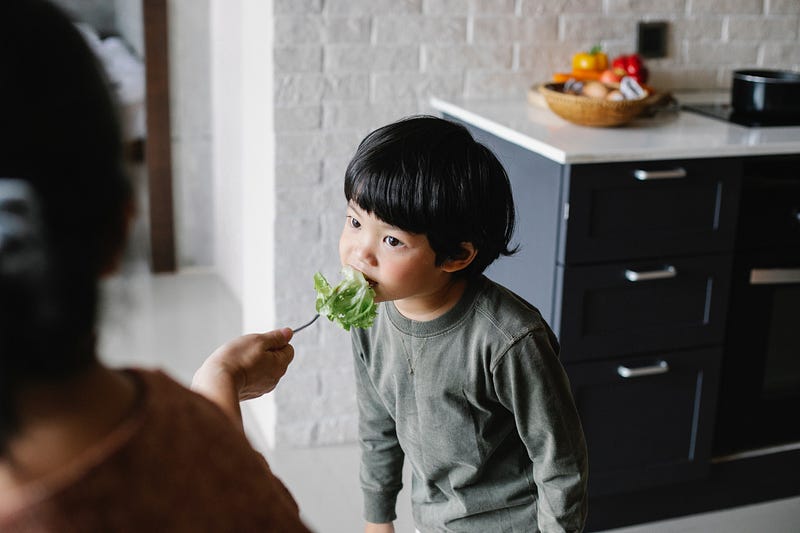
There are lots of other things that, similar to budgeting are good for us and our health that we might not feel like doing, often things that when we were children our parents made us do, things like eating our vegetables and going to the dentist, or the doctor if we have a problem.
Eating balanced diet is really helpful for maintaining both physical health and mental health. However, the process of doing so can kind of suck. many people may resist eating healthy foods because they find them unappetizing or boring. Additionally, unhealthy foods such as processed snacks and fast food are often more convenient and readily available.
While we can try new recipes and find healthy snacks that are more appealing, or plan meals ahead of time to make healthy eating more convenient, essentially making healthy eating less of a chore, and easier, and sometimes even nice, most of these things are work in and of themselves.
Still they are a form of self-care, work that we can put in now to give our future selves better health.
Similarly we might resist going to the dentist or doctor because we’ve found it scary before, or we dread the bad news that we know they will give us. But if we can find a way to go anyway, our future selves will probably thank us.
When The Enjoyable Just Isn’t Enjoyable, It Can Still Be Good For Us

Depression can make it difficult to find enjoyment in activities that we normally find pleasurable, such as catching up with friends, or even doing the ‘fun’ types of self-care, that come to mind when most of us think of self-care.
When we are feeling depressed, it’s not uncommon to experience a lack of energy, motivation, or interest in things that we normally enjoy. This can make it difficult to engage in healthy habits and self-care.
It’s important when this happens, not to get annoyed with ourselves for our lack of self-care. While that self care would be helpful in lessoning the depression, it’s the depression that is attacking it, sometimes making it impossible, not our attitude or ‘laziness’ as the depression will tell us.
When possible finding ways to incorporate small, manageable steps towards healthy habits can be helpful. For example, going for a short walk outside, trying a new healthy recipe, or practicing deep breathing exercises, or catching up with a friend can be small but meaningful steps towards improving physical and mental health.

Both the ‘fun’ type of self care and the ‘work’ type of self care can be helpful for maintaining and improving our mental, and physical health.
While some forms of self-care may be more enjoyable than others, both the “fun” and “work” types of self-care can be helpful in managing depression and improving overall well-being.
The “fun” type of self-care includes activities that we enjoy and find pleasurable, such as spending time with loved ones, reading a book, taking a relaxing bath, or engaging in a favorite hobby. These activities can be helpful in reducing stress and improving mood by providing a sense of pleasure and enjoyment.
The “work” type of self-care includes activities that may require effort and discipline, but that are important for maintaining physical and mental health. Examples of “work” type self-care include exercise, healthy eating, practicing good sleep hygiene, and engaging in mindfulness or meditation. These activities may not always be enjoyable in the moment, but they can have significant benefits for overall well-being.
Research has shown that both types of self-care can be helpful in managing depression. For example, engaging in enjoyable activities can increase positive emotions and improve mood, while practicing healthy habits can improve physical health, boost self-esteem, and provide a sense of accomplishment.
It’s important to remember that self-care is not a one-size-fits-all solution. What works for one person may not work for another. It’s important to find a balance of self-care practices that work for you, and to be flexible and open to trying new things.
By incorporating both types of self-care into our daily lives, we can create a well-rounded self-care practice that supports our mental and physical health.

If you enjoyed this article and would like to support me please consider becoming a medium member via my affiliated link: