
Everything I Learned About Weathering Coronavirus I Learned from Disaster Relief: The self-care and hygiene edition
When our teams at ShelterBox deploy to areas of disaster or conflict, we’re dropped into some of the worst experiences a country’s faced. Things are in pretty bad shape — the sanitation systems could be, and usually are, down; the supply chains are broken or backed up, and people are trying to put their homes together and keep their families alive.
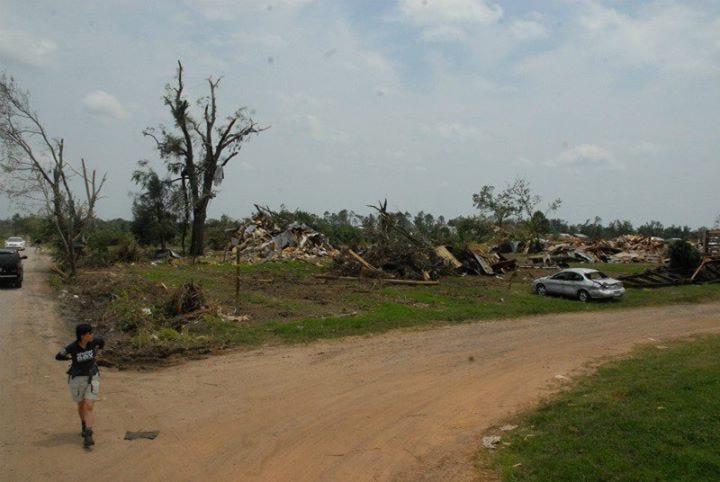
When we land in-country, we’re usually in teams of two to four people, so we get pretty good at managing ourselves. I’ve learned a lot over 13 deployments, and I’m always learning from my teammates. Here are some things I do in the field that I’m putting to work in our new circumstances.
Hygiene
We get hugged a lot, and we shake a lot of hands. I’m not sure what that will look like in CoVID-19 times, but most team members carry around a lot of hand sanitizer and we use it every time there’s a reason for it. (Obviously we wait until there’s no chance we’ll offend someone by using it.) We’re also stepping through and navigating everything from mudslides to rivers.
When we get back from our work in the field, I make a little area near the door where I drop all my stuff. My boots come off in that space and slippers or flip flops go on. I’ll usually undress right there, too, so I don’t track mud and dirt and foliage everywhere. My daypack stays in that area—anything I need from it I unpack there and repack in the morning. I go straight to wash my hands and face with soap and water, and pretty quickly wash up as best I can.
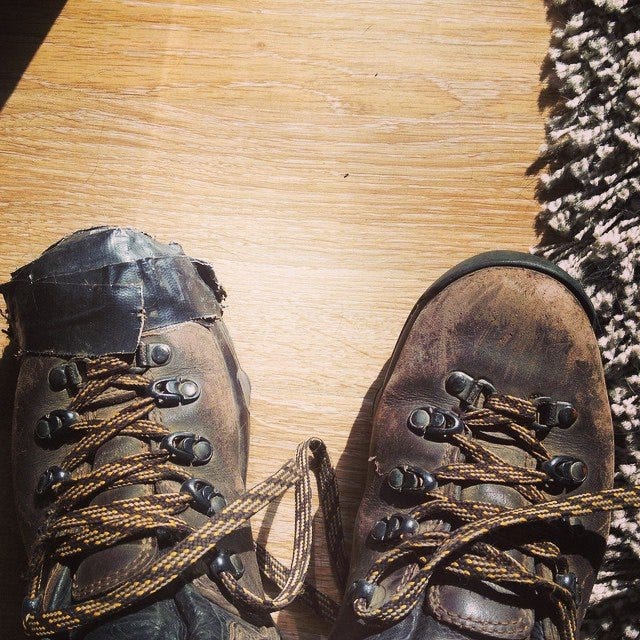
In my house now we have three similar “passthrough zones”: one by the front door, one by the door to the garage; one by the sliding glass door to the backyard. If we’ve gone somewhere and used our phones and credit cards and keys, all of that gets wiped down with some kind of cleaner in the passthrough zone. And our hands are washed twice: once when we get home and another when we’re done cleaning all our stuff. Our shoes we leave in the passthrough zones.
A note on the whole don’t-touch-your-face thing: Because we do so much hands-on work on deployment, setting up tents and talking to families and helping them to adjust the aid we’ve given them, we don’t do a lot of face-touching anyway. When I get home I’m a lot more lax, but I’ve tried to put myself in that mindset again now. (And hopefully you all have gotten that message already.)
Mental Health
If a member of the team is feeling depressed or low-energy or stressed above even the background level of stress we carry around on every deployment, that affects the entire team, so on top of the questions we ask ourselves at the end of every day—
What went well?
What didn’t go so well?
What could we have done differently?
What will we do tomorrow?
—we also watch each other pretty closely. Is this teammate quieter than usual? Is there something that needs to be discussed that isn’t coming up in group meetings? Would a one-on-one be more appropriate?
Now that you’re self-isolating (I hope!) it’s perversely more important than ever that you keep an eye, whether real or virtual, on the people you care about. Check in; ask the awkward questions; find out how they’re doing. I’ve been making way more phone calls than I did pre-COVID-19, and texting more. I think what’s happening is that my brain is floating things I didn’t understand were priorities to the top of my consciousness.
It’s similar to what happens to my head on deployment. The things that matter become way more sharply defined.

Finally, some self-care is up to you. The trainers who prepare us for deployment always left us with this phrase: Manage your down-time. It sounds simple, but it isn’t always. When we’re working for ShelterBox, we’re always thinking about the families who are waiting for aid. When it rains, we’re thinking about how they’re managing. We’re thinking about where our kit is in the customs pipeline; the agencies we’re partnering with; whether or not we’re going to get the information we need to service a community the best way.
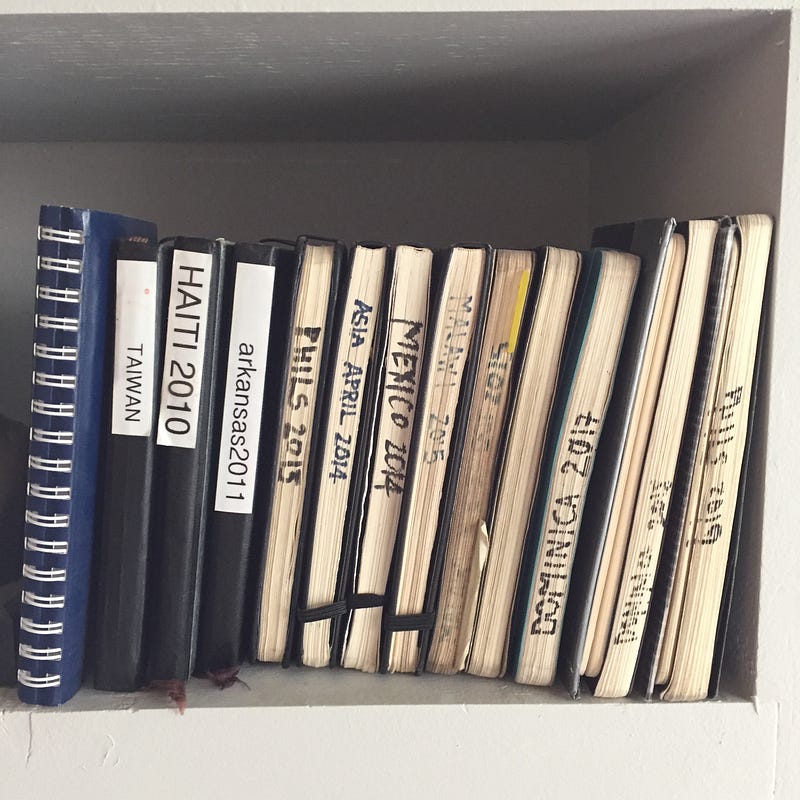
My downtime on deployment looks like this: Every night, I’ll do my expenses (sometimes this happens over dinner with my teammates). Right before bed I’ll write a few lines in my diary, just so I can log in where we’ve gone and what we did that day in my own voice, as opposed to the voice of the situation report or the communication materials we have to file every night. This routine helps me to stay grounded.
At home now, we’re thinking about things that feel just as stressful: whether our kids are getting the education and the stress-free playtime they deserve and need. Whether our country will knit together after this divisive time. How our friends and family are doing.
I’m not managing my downtime very well. I’m constantly refreshing my e-mail even when I’m sat in front of the boob tube, or checking my social feeds. When I’m enjoying the act of drawing or messing around with watercolors, the TV is running in the background with some show about murders. Right now, I think my only real down time is the half-hour or so before I go to bed.
For a year or more now I’ve kept my communications devices out of our bedroom. I make myself a hot beverage, write a little in my diary and then read until I fall asleep.
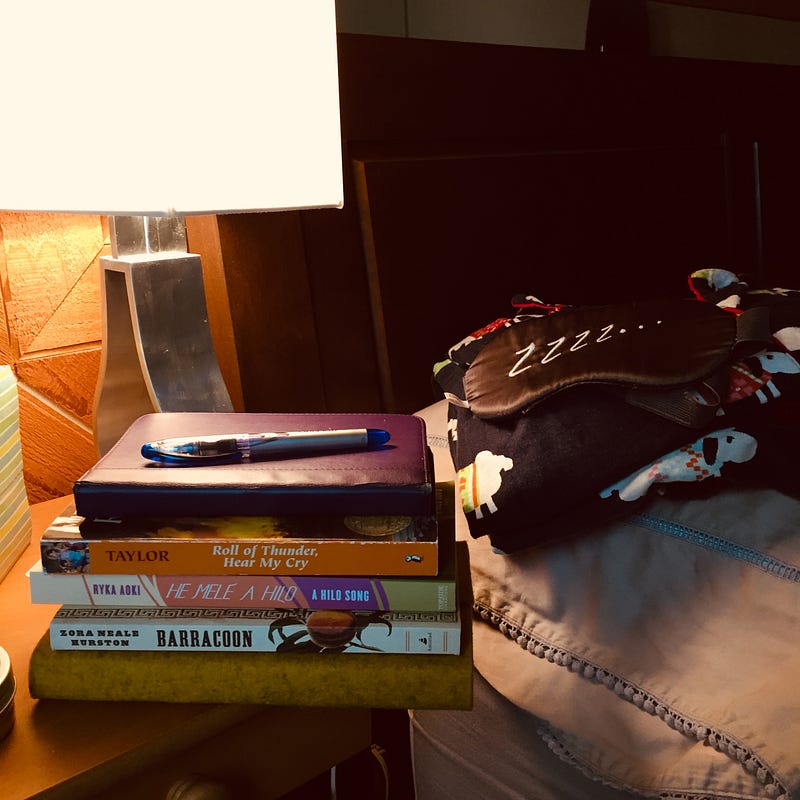
I suppose this little daily routine is better than nothing. And I think what my constant refreshing of email and feeds is telling me is that I’m craving human contact even more than I usually do. Makes sense, right? So I’ll be making an effort to call more people, set up more dates with them.
(Fear researcher Mary Poffenroth has a really good method, by the way, for addressing fear, or stress: Recognize, identify, address. In my case, I recognize that I’m feeling pressure around connecting. I identify it as a need to see more people or talk to more people. I address it by making appointments with friends or reaching out more myself. For more on this, take some time for this podcast—Ologies, on Fearology.)
Last night I had drinks with my neighbor over Zoom. It was good. I’m looking forward to booking more of these happy hours. I suppose it’s a sign of some adjustment that I’m now saying the same thing I say at the end of every single night with friends, virtual or IRL: “We should have taken pictures!”
This is heartening to me, because one of the things we do when we’re exiting a country we’ve responded to is to look for signs of return to normalcy, signs of recovery. Although we’re far from recovering from our new set of circumstances, my applying some pre-CoVID-19 thinking and desires to them is some indication that some things will always be the same.
So maybe this the thing we come away with: Look for, and treasure, the things that we are carrying over to our “new normal.” Highlight them. They may be a key to helping you to adjust.
For Part 1 of this series, What disaster relief taught me about weathering coronavirus, click here.