Summary
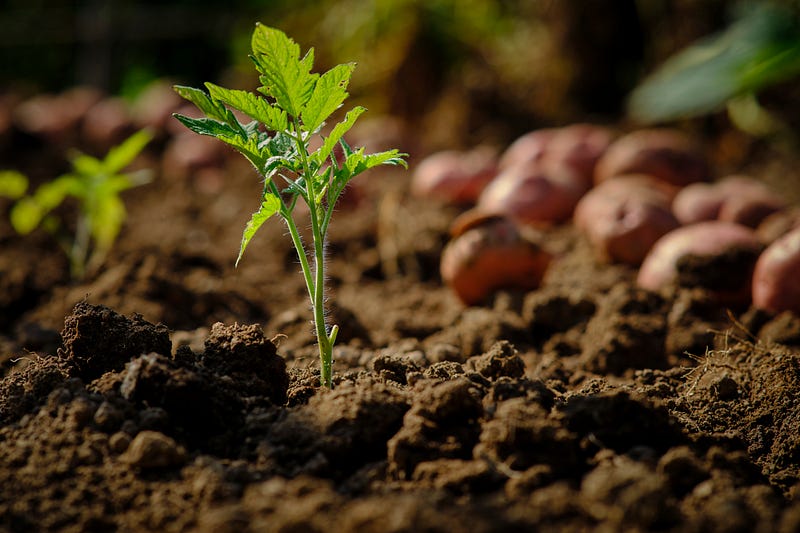
The text uses the metaphor of a seed to convey that the Word of God, when internalized and applied, can lead to personal growth, resilience, and transformation, much like how a seed needs to be planted in soil to grow and bear fruit.
Abstract
The article draws a parallel between the potential of a seed and the Word of God. It emphasizes that a seed left in a bag is useless and that similarly, the Word of God must be embedded in one's life to effect change. The text suggests that by planting the Word of God in our hearts, we can overcome adversity and cultivate a life that flourishes from the inside out. It implies that even a small amount of faith, likened to a seed, can bring about significant life changes and wonders, referencing Luke 17:21. The author encourages readers to nurture their spiritual lives, as this inner growth can help manage challenges and lead to a more fulfilling life.
Opinions
- The author believes that the Word of God is ineffective if not actively integrated into one's life, akin to a seed that won't grow if not planted.
- There is an opinion that the act of planting the Word of God in one's heart leads to the sprouting of love and life, suggesting a direct correlation between faith and personal development.
- The text conveys that spiritual cultivation can help individuals navigate through difficult times, making tough situations more bearable.
- The author expresses that the transformative power of faith can yield unexpected and positive outcomes, described as "wonders to behold."
- It is suggested that the Word of God can be a source of comfort and strength, helping individuals to deal with their troubles with ease.
- The article implies that spiritual growth can lead to a domino effect of positive change, enhancing various aspects of one's life.