avatarSam Westreich, PhD

Summary

Free AI web copilot to create summaries, insights and extended knowledge, download it at here

2623

Abstract

d hormones also have an impact, where increased age and reduced hormone levels tend to cause more weight to be carried around the abdomen.</p><p id="ecf3">Fat comes in three different types, depending largely on where it’s located on our bodies:</p><ul><li>Subcutaneous fat is the fat in our arms, legs, butt, and thighs. It sits <i>on top of muscles</i>, so it’s just under the skin — which makes it jiggle when poked.</li><li>Visceral fat is fat that’s in our chest and abdomen, around our internal organs. It sits <i>under our muscles, </i>which means it doesn’t jiggle when poked.</li><li>Brown fat is a specialized type of fat, located mostly in the chest and shoulders. It burns energy to generate heat, helping us stay warm.</li></ul><p id="7dbc">These different types of fat are linked to different health outcomes in our bodies.</p><h1 id="c65f">“What’s In My Belly?”</h1><p id="b90c">If you’re looking down at your stomach right now and wondering what kind of fat you’ve got, it’s pretty easy to figure it out.</p><p id="8893">Just give it a poke.</p><p id="9a9d">Because subcutaneous fat is above the muscle layer, just under the skin, it is soft and squishy when prodded. This is why we can pinch the arms and legs of a chubby baby*; that fat is all subcutaneous. A squishy belly indicates the presence of subcutaneous fat.</p><p id="2f02">If a belly is distended (extended out, not flat), but is hard when prodded, however, that means that the fat is visceral — it’s below the muscle layer, so when you poke your belly, you hit the hard abdominal muscles that are stretched over the fat beneath.</p><p id="5933">It’s this second type, the hard belly indicating visceral fat, that can spell potential trouble from a health perspective. Visceral fat is the type of fat that’s associated with a higher risk of heart attack, stroke, and diabetes. Visceral fat is converted easily into cholesterol, which can lead to arterial blockages and heart attacks at high levels. It also releases pro-inflammatory chemicals, which can overwork our immune system and may lead to a higher risk of developing type II diabetes.</p><p id="37d6">Fortunately, there are two pieces of good news:</p><p id="41fe">First, a small amount of visceral fat is not the end of the world, although it’s still not ideal. These fat deposits help to cushion our organs and keep them from bumping into each other — although in today’s sedentary world, there’s less need for this cushioning than there might have been in the past.</p><p id="c08b">Second, visceral fat is the easiest to lose — when your body begins burning fat, visceral fat is the

Options

first choice. It’s easier to access than the subcutaneous fat, so it’s the first to be consumed when on a diet or when exercising.</p><figure id="bccf"><img src="https://cdn-images-1.readmedium.com/v2/resize:fit:800/0*rwZ38zXV2I2nsPgT"><figcaption>Crunches: a decent exercise for strengthening abs, but they won’t target and remove belly fat. Photo by <a href="https://unsplash.com/@jonathanborba?utm_source=medium&amp;utm_medium=referral">Jonathan Borba</a>.</figcaption></figure><p id="920b">One important note: it’s the level of exercise, not the type of exercise, that matters. Even though it seems logical that crunches would target belly fat, this isn’t the case. When our bodies burn off fat, they choose fat from all visceral areas, and then from all subcutaneous areas — no matter what the exercise is. The type of exercise has no impact on which fat deposit the body chooses to burn!</p><p id="2f6c">Therefore, for anyone trying to get rid of visceral fat, whole-body exercises are generally more effective than targeted exercises. Swimming, running, hiking, or rowing are all good choices.</p><p id="f2b7">And in the end, remember that no one can outrun their fork. The best weapon against visceral fat is a diet with fewer total calories, especially cutting down on rapidly absorbed high-glycemic-index items like processed carbohydrates.</p><p id="f82b">*Please note: only pinch babies if you’ve received permission from the infant’s mother or father.</p><p id="8fe4"><i>Sam Westreich holds his PhD in genetics, focusing on methods for studying the gut-associated microbiome. He currently works at a bioinformatics-focused startup in Silicon Valley. Follow on Medium, or on Twitter at <a href="https://twitter.com/swestreich?source=post_page---------------------------">@swestreich</a>.</i></p><p id="65df"><i>Have a science-related question? Comment to suggest a topic for my next story. Or check out this related story:</i></p><div id="1bbe" class="link-block"> <a href="https://readmedium.com/science-monday-does-caffeine-help-me-lose-weight-c7807f2d919c"> <div> <div> <h2>Science Monday: Does Caffeine Help Me Lose Weight?</h2> <div><h3>Learn a new fact for the week: Will some extra coffee help me avoid putting on holiday pounds?</h3></div> <div><p>medium.com</p></div> </div> <div> <div style="background-image: url(https://miro.readmedium.com/v2/resize:fit:320/0*NZ2g48L9AFrVWbfu)"></div> </div> </div> </a> </div></article></body>

Science Monday: Why’s a “Beer Belly” More Dangerous than Other Fat?

Learn a new fact for the week: why’s a hard “beer belly” especially dangerous compared to having fat in other areas?

This man’s belly could put him at a greater risk of heart attacks, stroke, and diabetes. Sorry, stock photo man. Photo by Zach Rowlandson

When I was a kid, I remembered my father… well, he carried a bit of extra weight, and it sat mostly around his middle. I can’t remember the first time I heard the term “beer belly,” but I immediately knew what it meant.

In recent years, however, several reports have come out that look at our chances of having a heart attack, stroke, or diabetes — some of the most deadly diseases for Americans — and found a disturbing connection between these diseases and beer bellies.

What makes someone’s belly a “beer belly”? But more importantly, why is it worse to have a beer belly than it is to carry fat in other areas, when it comes to these diseases?

“What’s My Fat Type, Doc?”

Beer belly, spare tire, beer gut — there are plenty of names for excess fat that many people, men especially, tend to carry around the waist.

The simple reason why we put on weight is well understood; excess calories (eating more than we burn for energy) are stored as fat. The distribution of fat on our bodies, however, varies person to person.

The majority of our fat is stored in one or more of a few places: butt, hips, thighs, or around the abdomen.
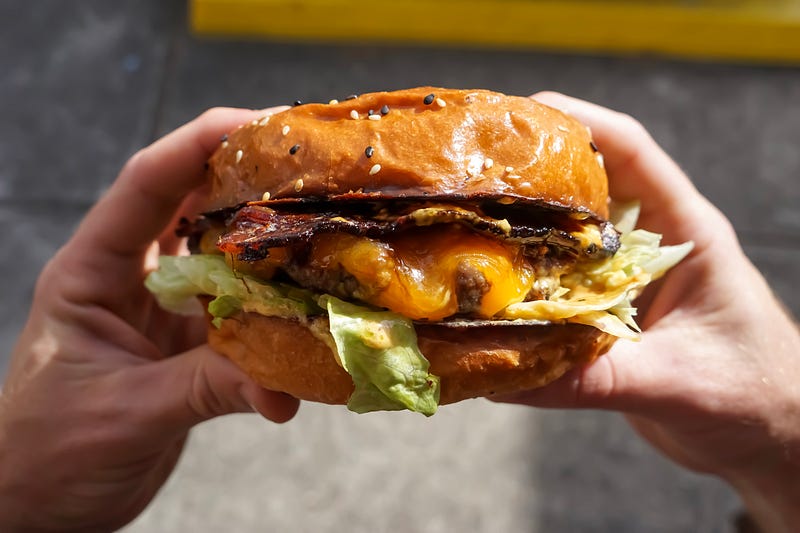
“I command for all of these extra calories to go to my thighs, NOT to my belly!” Photo by Carles Rabada.

Fat allocation — that is, which area is used for storing these excess calories — depends on several different factors. The majority of weight distribution is determined by genetics, with roughly 50% of fat distribution controlled through heredity. Sex also has an impact, where men tend to carry more fat around the waist, while women tend to carry more fat in the hips and thighs. Age and hormones also have an impact, where increased age and reduced hormone levels tend to cause more weight to be carried around the abdomen.

Fat comes in three different types, depending largely on where it’s located on our bodies:

  • Subcutaneous fat is the fat in our arms, legs, butt, and thighs. It sits on top of muscles, so it’s just under the skin — which makes it jiggle when poked.
  • Visceral fat is fat that’s in our chest and abdomen, around our internal organs. It sits under our muscles, which means it doesn’t jiggle when poked.
  • Brown fat is a specialized type of fat, located mostly in the chest and shoulders. It burns energy to generate heat, helping us stay warm.

These different types of fat are linked to different health outcomes in our bodies.

“What’s In My Belly?”

If you’re looking down at your stomach right now and wondering what kind of fat you’ve got, it’s pretty easy to figure it out.

Just give it a poke.

Because subcutaneous fat is above the muscle layer, just under the skin, it is soft and squishy when prodded. This is why we can pinch the arms and legs of a chubby baby*; that fat is all subcutaneous. A squishy belly indicates the presence of subcutaneous fat.

If a belly is distended (extended out, not flat), but is hard when prodded, however, that means that the fat is visceral — it’s below the muscle layer, so when you poke your belly, you hit the hard abdominal muscles that are stretched over the fat beneath.

It’s this second type, the hard belly indicating visceral fat, that can spell potential trouble from a health perspective. Visceral fat is the type of fat that’s associated with a higher risk of heart attack, stroke, and diabetes. Visceral fat is converted easily into cholesterol, which can lead to arterial blockages and heart attacks at high levels. It also releases pro-inflammatory chemicals, which can overwork our immune system and may lead to a higher risk of developing type II diabetes.

Fortunately, there are two pieces of good news:

First, a small amount of visceral fat is not the end of the world, although it’s still not ideal. These fat deposits help to cushion our organs and keep them from bumping into each other — although in today’s sedentary world, there’s less need for this cushioning than there might have been in the past.

Second, visceral fat is the easiest to lose — when your body begins burning fat, visceral fat is the first choice. It’s easier to access than the subcutaneous fat, so it’s the first to be consumed when on a diet or when exercising.
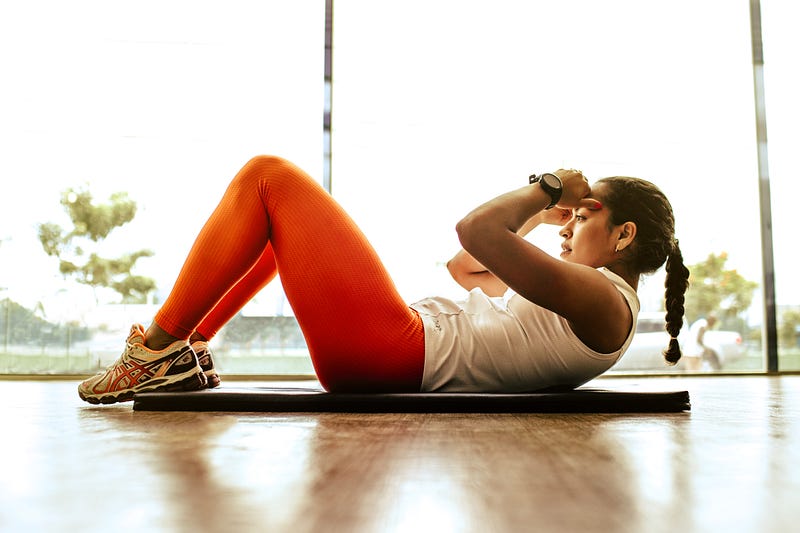
Crunches: a decent exercise for strengthening abs, but they won’t target and remove belly fat. Photo by Jonathan Borba.

One important note: it’s the level of exercise, not the type of exercise, that matters. Even though it seems logical that crunches would target belly fat, this isn’t the case. When our bodies burn off fat, they choose fat from all visceral areas, and then from all subcutaneous areas — no matter what the exercise is. The type of exercise has no impact on which fat deposit the body chooses to burn!

Therefore, for anyone trying to get rid of visceral fat, whole-body exercises are generally more effective than targeted exercises. Swimming, running, hiking, or rowing are all good choices.

And in the end, remember that no one can outrun their fork. The best weapon against visceral fat is a diet with fewer total calories, especially cutting down on rapidly absorbed high-glycemic-index items like processed carbohydrates.

*Please note: only pinch babies if you’ve received permission from the infant’s mother or father.

Sam Westreich holds his PhD in genetics, focusing on methods for studying the gut-associated microbiome. He currently works at a bioinformatics-focused startup in Silicon Valley. Follow on Medium, or on Twitter at @swestreich.

Have a science-related question? Comment to suggest a topic for my next story. Or check out this related story:

Health
Science
Medicine
Lifestyle
Wellness
Recommended from ReadMedium