Save Money With Homemade, Eco-friendly Cleaning Products
Using 5 ingredients that are better for the environment and your health.
The Covid-19 pandemic rages on. It’s been well over a year since the first lockdown. And while vaccines might be rolling out, we’re a long way from normality. We’re sick of restrictions — even if we agree with the necessity. We’re sick of furloughs, layoffs and job insecurity. So if your purse strings are stretched, you’ll appreciate good money-saving tips.
Household cleaning products are expensive. And most of them contain harsh and toxic chemicals that are bad for your health and bad for the environment. Scientists have warned us that some household cleaners could be as bad for our lungs as smoking 20 cigarettes a day. If you’re still not convinced, consider the links between household chemicals and increased breast cancer risk.
So, today I’m looking at cleaning products and how you can save money by making your own.
Benefits of making your own cleaning products
- Less expensive — the key ingredients are inexpensive and found commonly in supermarkets. You can save even more by buying in bulk.
- Less harmful — The ingredients are safe for humans, animals and the environment.
- Less packaging — Reuse old containers from past cleaners, so you don’t have to keep buying new plastic bottles.
- It’s quick and straightforward to do.
- They’re just as effective as commercial products, sometimes more so.
General Purpose Cleaner
- 250ml Water
- 250ml White vinegar
- Lemon oil (20 drops) Alternatively, try 1x Lemon (rind only)
- Lavender oil (20 drops)
Boil the water, and allow it to cool down. Combine all the ingredients together in a spray bottle.
This all-purpose cleaner is safe for use on most surfaces and has anti-bacterial and de-greasing properties. Great for removing hard water stains, cleaning countertops and other surfaces, removing smudges on the walls and more. If you have any tough spots that are harder to clean, try spraying a liberal amount of the mixture onto the affected area and leave it for 10 minutes before wiping away.
When you first use the product, it will smell of vinegar. However, the smell will vanish as it evaporates, and you’ll be left with the faint aroma of lemon and lavender.
The cleaner will keep for around 8 weeks, but if it becomes discoloured or smells off before then, discard it and make a fresh batch.
Caution: Don’t use it on granite, marble or stone surfaces, as the acid from the lemon will etch the surface.
All Surface Cleaner
- 2l Water
- 125ml White vinegar
- 32g Bicarbonate of soda
Boil the water, and allow it to cool down. Combine all the ingredients together in a bucket, then decant into spray bottles.
Like the general-purpose cleaner, it will smell of vinegar initially, but it will disappear as the surface dries.
Great for hard kitchen and bathroom surfaces, mirrors, and windows. If you want one cleaner to rule them all, this would be a pretty good option.
Stain Remover
- 500ml Water
- 60ml White vinegar
- 32g Bicarbonate of soda
- 1tsp Castile (or any liquid soap)
Boil the water, and allow it to cool down. Combine all the ingredients together in a bucket, then decant into spray bottles. Spray onto affected fabrics and leave for a few minutes before wiping off. For tougher stains, let the mixture sit on the material longer. 10 minutes is usually enough to shift most stubborn stains.
Works just as well on clothes as on carpets, curtains and other fabrics.
Glass and Window Polish
- 500ml Water
- 125ml White Vinegar
- Optional: Essential oil of your choice for fresh smell (I like lemon for this)
Boil the water, and allow it to cool down. Combine all the ingredients together in a spray bottle. Spray onto your glass or windows and wipe off. Avoid doing this on a hot day, as it could cause streaks.
Wood Polish
- 360ml Olive Oil
- 120ml White Vinegar
- 1x Lemon (juice only)
Boil the water, and allow it to cool down. Combine the ingredients together in a spray bottle. Then, spray the cleaner onto a soft cloth and rub it over the wooden surface. Finally, wipe the surface again with a clean, dry, soft cloth.
Microwave Cleaner
- 250ml vinegar
- 1x Lemon (juice only)
Place the vinegar and juice of a lemon into a bowl and place it into the microwave. Switch the microwave on for 2 minutes, then leave it for a further minute or two to allow the steam to soften up any grime. Finally, open the microwave and wipe it down with a damp cloth.
Oven Cleaner
- 32g Bicarbonate of soda
- 1tsp Salt
- Water
Mix the salt and bicarbonate of soda together in a bowl. Slowly add a small amount of water to create a paste. Spread the paste over the insides of your oven and leave it overnight. Scrub and wipe clean with a damp cloth the next day.
Checklist of cleaning ingredients
Here’s a recap of the 5 simple ingredients you need for cleaning hard and soft surfaces alike.
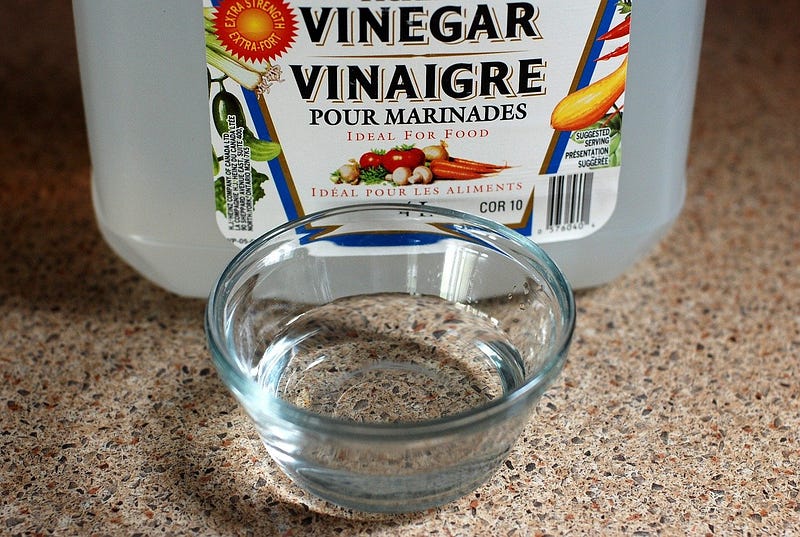
- White Vinegar: Use it all over the home to get rid of stains, grease, dirt, odours, mould and mildew. Its smell may be a bit off-putting smell, but it quickly dissipates or can be counteracted by scented essential oils. Buy it in bulk to save more money vs buying it in small bottles in the supermarket.
- Bicarbonate of soda: Used for over a century for cleaning and getting rid of foul odours. It’s brilliant at removing dirt and stains. Use it to clean sinks, toilets, baths, ovens, fridges and surfaces. Buy it in bulk from the chemist or online to save even more.
- Lemon: The acidic juice helps fight against bacteria, remove stains and keep your whites as white as they should be.
- Olive Oil: Ideal for polishing furniture. It loosens up stains, grease and grime on various types of surfaces. A tiny amount goes a long way.
- Essential Oils: Naturally anti-bacterial. They sanitise your house and keep it smelling great. Try lavender, tea tree and lemon.
Cleaning doesn’t have to be expensive
As you can see, with just 5 ingredients and a couple of minutes, you can whip up your own cleaning products. So whether you need to clean something with tough grease and grime like an oven, or something that requires a flawless finish like a mirror or window, these staples have you covered. They don’t have the same adverse health risks or environmental impact, and you can save money in the process. So what will you do with the money you save?


