
Safety of Group Psychedelic Sessions Confirmed by Psilocybin Clinical Trial
New psilocybin trial data explores group psychedelic sessions.
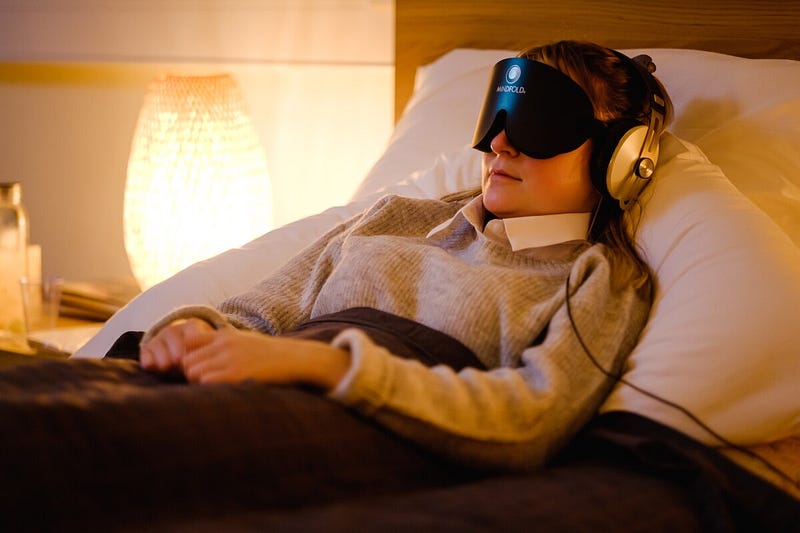
A new study published in The Journal of Psychopharmacology reported the results of the largest randomized, double-blind, placebo-controlled clinical trial testing the short- and long-term safety of administering psilocybin in a group setting, as well as, exploring the effects of group psilocybin dosing. Exploring the psychedelic therapy in groups of up to six people, the trial found no detrimental short- or long-term effects from simultaneous administration of the drug.
Group therapy is often a key component in psychiatric treatments. Therefore, it is no surprise that researchers are starting to investigate the validity and safety of incorporating group psychedelic therapy sessions.
For decades, group psychedelic sessions have been common in the underground psychedelic community, especially with ayahuasca, a brew mixture of the Banisteriopsis caapi vine and the leaves of the Psychotria Viridis bush, containing one of the most psychoactive compounds in the world — N, N-dimethyltryptamine (DMT) — traditionally used by indigenous people for sacred religious ceremonies.
Before psychedelic research was shut down for decades, a number of studies looked at the effects of LSD and psilocybin when delivered in group settings, back in the 1960s. Since the psychedelic renaissance in the 21st century, modern research has focused on individual psychedelic administration.
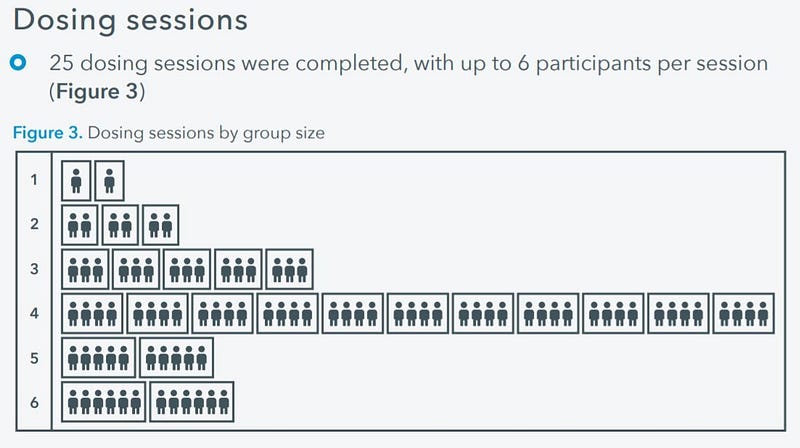
Examing the short- and long-term safety of administering psilocybin in different groups of people simultaneously was the main goal of this study. This trial, led by King’s College London and supported by Compass Pathways, recruited 89 healthy subjects, with 60 receiving active psilocybin doses and 29 receiving a placebo. There were six different groups sizes explored in the trial, including two sessions with six participants.
Importantly, each participant was offered a relatively private space receiving one-to-one psychological support. Moreover, each participant was assigned a dedicated therapist available throughout the session. So these sessions were not conducted in some kind of communal circle, often seen in group ayahuasca sessions.
“The simultaneous dosing involved each participant having a private space, for example, a bed separated by curtains within the same room, so they could focus on their own experience with minimal distractions, especially as participants were encouraged to wear eyeshades, earplugs, and/or earphones for the duration of the administration session,”
The researchers explain in the study.
“Participants communicated only with their therapists during the administration sessions.”
Participants received a single oral dose of 10 or 25 mg psilocybin or placebo, and several emotional and cognitive tests were conducted over the 12-week follow-up after the psilocybin session.
This allowed researchers to conclude that both doses were generally well tolerated when given to up to six participants simultaneously and did not have detrimental short- or long-term effects on cognitive functioning or emotional processing.
The lead author on the new research, James Rucker, explained.
“This rigorous study is an important first demonstration that the simultaneous administration of psilocybin can be explored further. If we think about how psilocybin therapy (if approved) may be delivered in the future, it’s important to demonstrate the feasibility and the safety of giving it to more than one person at the same time, so we can think about how we scale up the treatment.”
Scheduling more than one patient at a time could accelerate the pace of clinical trials and it potentially enhances patient access once the psychedelic treatment was approved and clinically deployed.
The study mentioned that no assessment was made regarding the efficacy of blinding. This issue, previously reported by some researchers as a major problem with modern psychedelic clinical studies, is briefly mentioned in the study as a potential reason why four subjects in the placebo group dropped out of the trial before it was complete.
More psychedelic researchers hope this is the last trial of this kind to get away without reporting on how many subjects guessed which group they were in. The problem with blinding in placebo-controlled psychedelic research could be generating over-estimated results.
Psychedelic researcher Eduardo Schenberg, Ph.D., agreed to this current problem in psychedelic research and tweeted:
“I hope this will be the last “placebo-controlled” psychedelic trial publication to be accepted without measuring and adequately reporting unblinding. It’s time for expanded discussions about this approach, its epistemic assumptions, and far-reaching consequences.”
Thank you for your interest in science! Feel free to put questions, comments, and suggestions for future articles in the comment section.
If you want to support:
- If you are not a Medium member yet, you can my referral link so I can get a part of your fees from Medium, you don’t pay any extra.
- Subscribe to my Newsletter to get best tutorials, research, education, and scientific-based tools for everyday life directly in your email inbox.
While you’re here, check out one of my other articles.


