
Hong Kong English/Cantonese (XXXIV)
Bus Route 11 in Hong Kong is Almost 100% Reliable
Let me tell you why
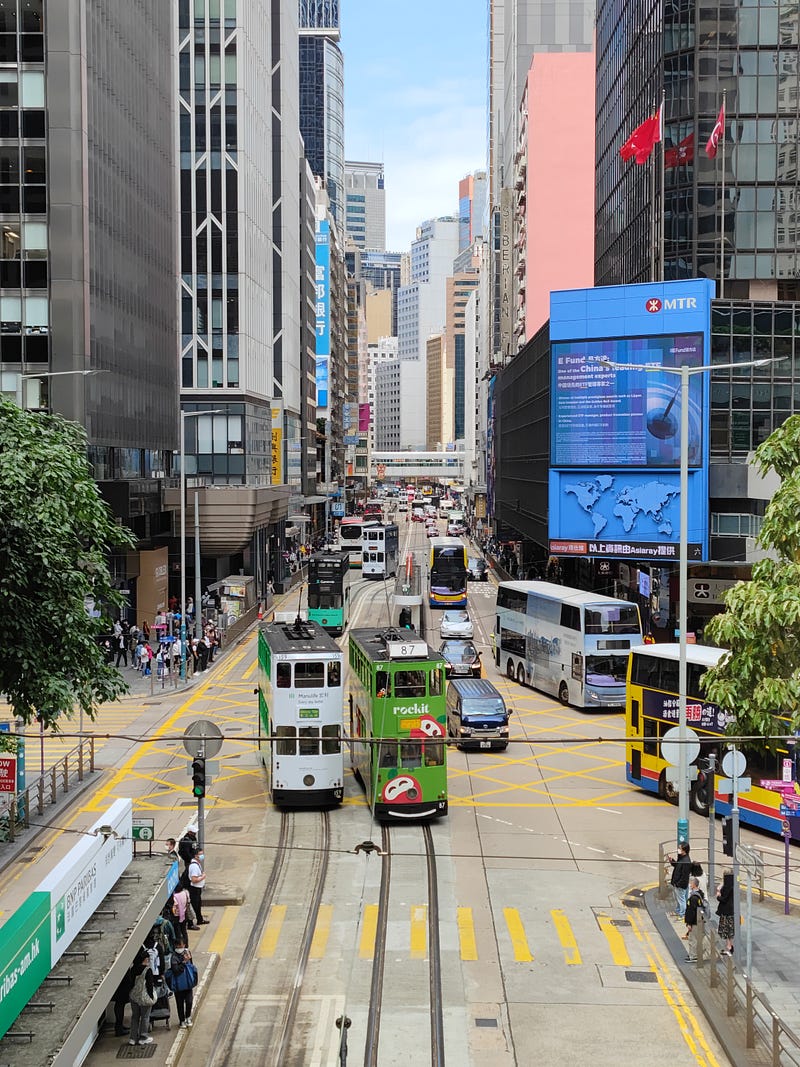
Hong Kong’s public transport is among the most convenient across the globe. Buses are our common mode to transport going to somewhere in the city. When even the Hong Kong-China border has bus service at proximity (all but one border crossing, but that one has trains), there are just a few places where roads are connected has no bus to go to.
Wait. We have “buses” for those places too.
Hong Kong’s bus route numbers are confusing. The local bus companies have their own systems for the numbering. We famously have three Route 1 in different regions of the city (Hong Kong’s Bus Wiki says more), but this isn’t what you’re meant to see today.
Instead, I’m going to tell you another bus route: Route 11.
If we talk about any bus routes in Hong Kong that has the first two-digit prime number, there would be roughly 15 because the companies love to put English letters in front of and/or after the number.
Still, Hong Kong’s bus route 11 can still get you from Central Ferry Piers to Jardine’s Lookout, from Diamond Hill to Kowloon Station, or from Tung Chung to Tai O.
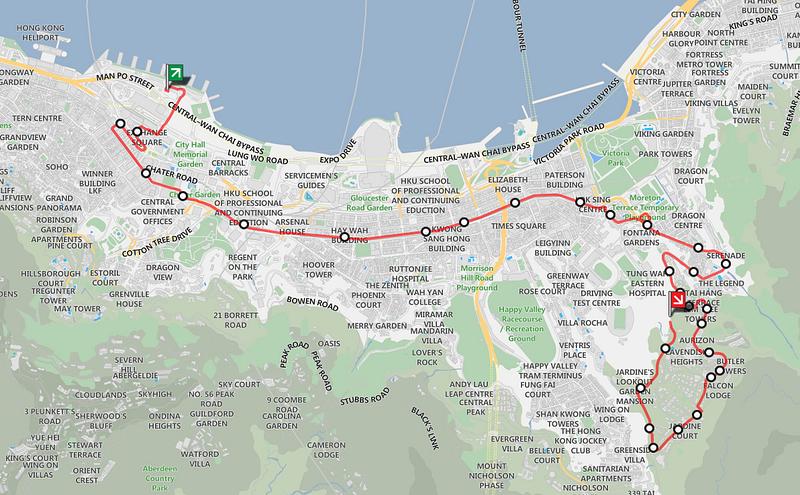
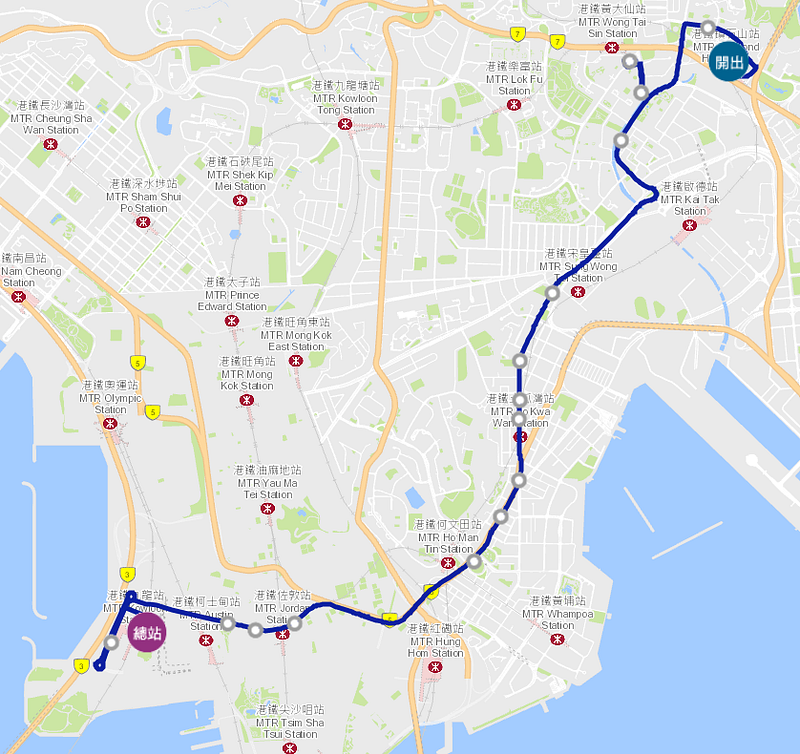
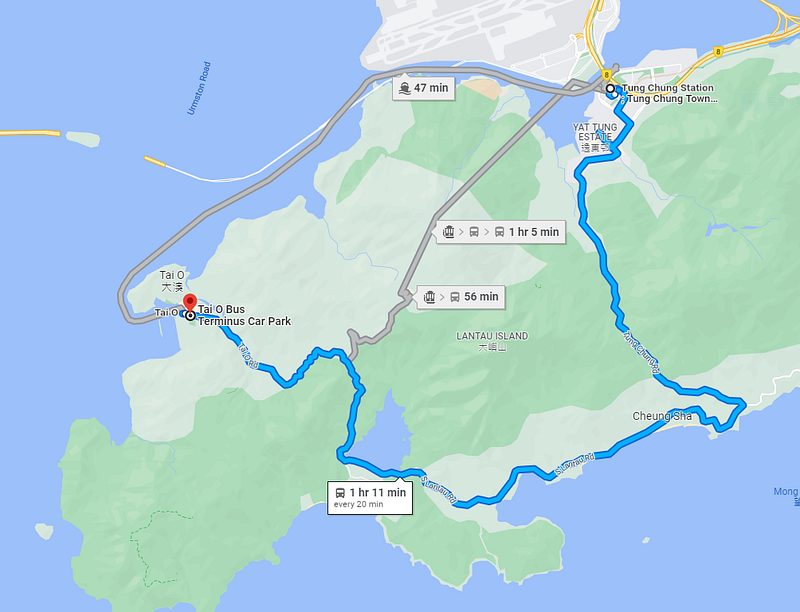
When looking at the map, all these lines look pretty long, but these bus routes are still walkable distances. Yes, trekking counts. Maybe that’s the use of a bus: a walkable distance that you don’t want to walk.
These route 11 are pretty long, but obviously these are not the longest or the shortest routes in the city.
Speaking of the number 11, this number may have different associations (of ideas) across cultures. China once thought this looked like two people lining up and so some cities implemented a “lining up day” on 11/11. But I guess some may think there are more 1’s than the number 1, and so 11 implies solitude and thus created “singles day” shopping galore on 11/11.
Hong Kong just can't connect, linguistically, the "singles day" in China, as the word they use for single men (光棍) means "trickster" in Cantonese.What does Hong Kong think about 11, by the way?

Legs. Each “1” represents a human leg. Humans have two legs. Therefore, 11 represents two legs.
And so, what’s the best way of commute/travel that involves the legs? Walking. Walking is cheap and convenient and can take you to a desirable distance, just like a bus.
So, we can combine the number 11 and bus, and make it a “bus route 11” (11號巴士, Jyutping: sap6 jat1 hou6 baa1 si2), which actually means “to walk”.
But I haven’t heard anyone who says they take “Route 11” for a walk to a destination afar.
This Route 11 is also a healthy choice, as this is also a casual workout.
You can always rely on the bus Route 11, as long as you have legs.
References: