
A RECORD NUMBER OF WRITERS JAILED
Roald Dahl Was a Victim Of Stupidity, Not ‘Censorship’
Writers imprisoned by dictators are getting less sympathy than an author whose work had inane editing

It was inevitable that a fury would erupt when America’s largest publisher inflicted on Roald Dahl’s books some of the most inane changes ever made in the work of a dead author. How could it not?
In its wisdom, a children’s imprint of Penguin Random House expunged from Dahl’s novels seemingly anything that might offend the left-leaning moral vigilantes who now compete with the right-wing literary police to see who can find in books the most offenses against their tribe.
Dahl fans cried, “Censorship!” PRH backpedaled and said it would issue unexpurgated editions of Dahl’s novels as well as versions bowdlerized by the “sensitivity readers” used by publishers to vet books for content that violates their orthodoxies. Both sides claimed the moral high ground.
Ostensibly to make Dahl’s books less offensive, the editing at PRH’s Puffin imprint included deleting words like “fat,” “ugly,” “black,” “white,” “mad,” and “crazy.” The alterations were first reported by the conservative British newspaper the Telegraph.

In a typical revision, PRH substituted “enormous” for “enormously fat” in describing a character in “Charlie and the Chocolate Factory.” In another, the “ugly and beastly” in “The Twits” became “beastly.” In “The Witches” a woman working as “a cashier in a supermarket or typing letters for a businessman” became a “top scientist or running a business.”
Controversies like these aren’t new, the literary journal editor Matthew Walter noted in an op-ed column in the New York Times. A similar flap erupted in 2021 when potentially offensive images led the Dr. Seuss estate to stop selling six of his books, including his first under that name, “And To Think That I Saw It on Mulberry Street.” Walter wrote:
“There is something absurd, however, about the amount of preening occasioned by a handful of alterations to books about Brobdingnagian fruit and talking insects….
“The assumption that there is an urgent debate here, one of the utmost importance to the future of culture, society and so on, is politically useful to both sides.”
.jpg)
Whether from the left or right, much of the outrage says less about Dahl than about historical illiteracy and how easy social media makes it to stoke controversy by picking low-hanging fruit. As Walter wrote in the Times:
“Altering literary texts to suit various needs, including the perceived tastes and sensibilities of readers, has long been the norm rather than the exception….the most commonly staged version of ‘King Lear’ featured a happy ending originally written in 1681, which even Samuel Johnson preferred.”
Yet the most troubling aspect of the Dahl uproar isn’t the myopia it betrays.
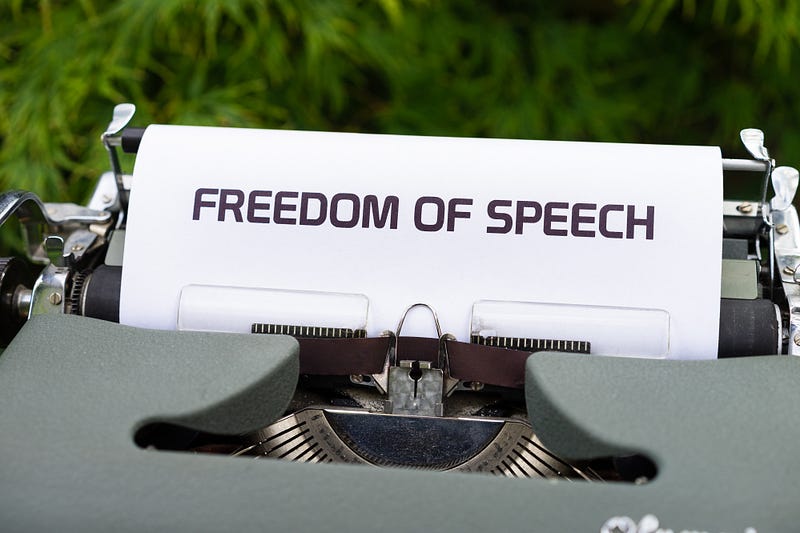
What’s more disturbing is that — amid the howls of “Censorship!” — writers worldwide are suffering far worse injustices with no enraged protests from the literati. They are being imprisoned or killed for their work, or denied the chance to publish it, by authoritarian regimes.
Censorship traditionally meant work suppressed by governments, and — to leading literary and human rights groups — it still does. The American Library Association has said:
“For the ALA, technically censorship means the removal of material from open access by government authority.”
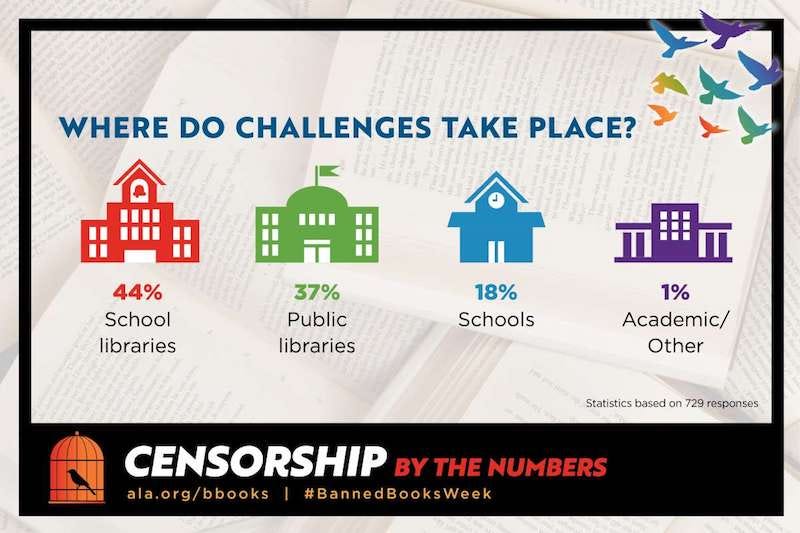

Human rights groups similarly have used “censorship” to describe acts such as the suppression of anti-Communist books in China and Russia. Their definition also covers efforts by officials such as Georgia Rep. Marjorie Taylor Greene and Florida Gov. Ron DeSantis to rid schools and libraries of books on subjects like sexuality and critical race theory.
Casting Dahl as a victim of “censorship” blurs the distinction between the vast harm tyrants do to authors and the misguided efforts by private citizens or companies to quash views they dislike. Its markdown of the meaning of that word especially hurts writers persecuted for speaking the truth about authoritarian regimes.
Even Salman Rushdie — a grievous victim of Iran’s theocracy — jumped on the bandwagon of calling the editing “censorship.”
The threat to writers posed by tyrants is neither small nor remote. A record number of journalists were jailed around the world in 2022, according to the Committee to Protect Journalists. Many were punished for their reporting for print or online media. Some have also written books seen as offenses by repressive governments:
“In a year marked by conflict and repression, authoritarian leaders doubled down on their criminalization of independent reporting, deploying increasing cruelty to stifle dissenting voices and undermine press freedom.”
The top five jailers of journalists are Iran, China, Myanmar, Turkey, and Belarus, the CPJ found:
“A key driver behind authoritarian governments’ increasingly oppressive efforts to stifle the media: trying to keep the lid on broiling discontent in a world disrupted by COVID-19 and the economic fallout from Russia’s war on Ukraine.”
On March 3 — as the Twitterverse was railing about the purported “censorship” of Dahl — other authors were facing physical or mental abuses frequently amounting to torture.
- In China, the author of a gay erotic novel was serving a 10-and-a-half year sentence for having written a novel involving sex between males. The authorities identified her only by her surname, Liu, but said her book was “full of perverted sexual acts such as violation and abuse.”
- A court in Belarus sentenced the Nobel Peace Prize co-winner Ales Bialiatski to 10 years in prison for allegedly trying to overthrow the government. Copies of his book “Enlightened by Belarussianness” had been confiscated after customs officials decided the books could “could damage the image of the Republic of Belarus.”
- Three journalists from one of Egypt’s few remaining independent news outlets were preparing to stand trial this week on defamation and other charges. Their “crimes” included publishing a story that alleged “gross financial misconduct” by a state-allied political party.
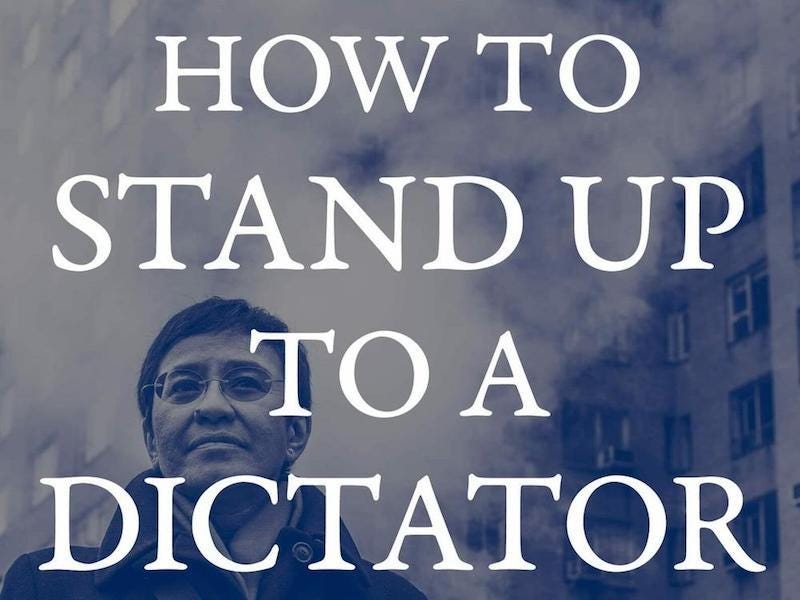
In the United States, the Philippine-American journalist Maria Ressa, co-winner of the Nobel Peace Prize and author of “How To Stand Up To a Dictator,” faces an uncertain future. Ressa has been convicted of cyber libel involving Rappler, the news website she co-founded in the Philippines. She remains free but faces trial on other charges that could lead to imprisonment.
No doubt the focus on Dahl, instead of more harshly treated writers, reflects the spread of a culture in which people try to “cancel” what they dislike, including how a popular author portrays talking insects. You can hear the “sensitivity readers” reaching for their delete keys and thinking: Shouldn’t we kill this outrage before it hits Beatrix Potter’s talking bunnies? Or every talking pig shaped like a blow dryer, such as Peppa and her kin?
Aren’t those injustices as important as the fate of a Chinese author of gay erotica who’s serving a 10-year prison term?
In a word, no.
One problem with the Dahl flap is that it distracts from — and can mask — horrific injustices to writers worldwide. It suggests that the worst that can happen to an author is having a dunderhead editor who thinks every character needs a Body Mass Index that will cut it with the American Medical Association.
The alterations in Dahl’s novels were almost comically absurd, but such revisions hurt authors far less than being arrested or imprisoned or having their books suppressed by a dictator. Any article about those changes might have mentioned that in passing, but that task has had few — if any — takers.
What’s been missing from most stories about Dahl has been a solid literary, historical, or political context for the editorial missteps. Also absent has been a sense of irony.
Remember those unexpurgated editions that Puffin said it would release in response to the complaints about the tampering with the originals?
The planned series has now had undreamed-of publicity — unless its publisher did dream of it and that was exactly the point of leaking the changes to the Telegraph, if they were leaked.
There’s no evidence that they were slipped to a friendly reporter — but there’s no evidence that they weren’t, either. One of the oldest gambits in publishing is to leak controversial material to grab headlines, which happens often with political or other celebrity memoirs.
If the expurgations were leaked, Dahl’s publisher has read the market brilliantly. In any case, it has reaped a publicity bonanza. The fire-breathing foes of “censorship” have played into its hands while a gay author suffers in a Chinese prison and three Egyptian journalists prepare to stand trial for doing what they were supposed to do — expose corruption.
The literary editor Matthew Walter summed up the situation perfectly in his New York Times op-ed piece:
“After a few days of free marketing from the perpetually outraged, it was announced that a 17-volume set of the ‘classic’ versions of Dahl’s books would soon be published. While many culture warriors will be happy to claim this news as a victory, they should ask themselves for whom.”
Absent evidence of a leak, the changes to Dahl’s work look like pure stupidity. But they may yet turn out to reflect canny marketing. What they don’t look like — and never will — is censorship.
Jan Harayda is a former vice president of the National Book Critics’ Circle, the professional association for U.S. critics. She is also an award-winning critic and journalist who has taught writing at two large U.S. universities. Her work has appeared in print and online media including the New York Times, the Wall Street Journal, the Washington Post, Newsweek, and Salon. If you’d like to read all of my articles without hitting the dreaded paywall, please join Medium with my referral link.
You might like some of my other stories about books and popular culture: