
Riding the Emotional Rollercoaster
The Intensity of Romantic Relationships for People With BPD
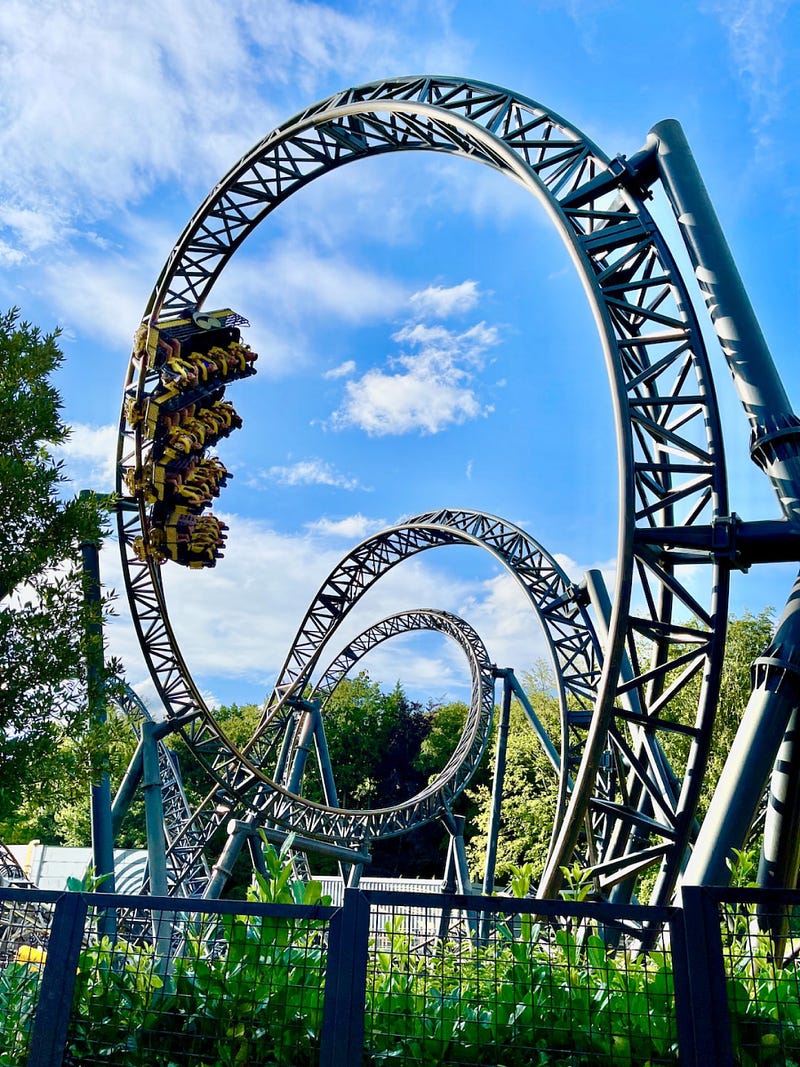
In any relationship, you are guaranteed to be met by life’s ups and downs. However, people with BPD (Borderline Personality Disorder) tend to experience intense emotions that are unexplainable to their partner. This can cause a major strain on either side of the relationship. Come along with me as I explain how myself and my partner coexist together despite both having Borderline Personality Disorder.
- Trust issues:

One of the most common symptoms of BPD is the intense feeling of abandonment due to previous trauma. People with BPD tend to think “Black and White”. This entails idealising certain people and isolating others who may cause a threat to our safety. This method of thinking can cause a serious strain on a romantic relationship, especially if you are receiving the “silent treatment”.
Both myself and my partner, Layla, have experienced trauma that skews our trust towards each other. However, we have both been lucky enough to have started Dialectical Behavioural Therapy (DBT) which has helped us to gain interpersonal effectiveness skills and learn to trust each other and respect boundaries.
- The direct effect of BPD on relationships:
If one of both partners is diagnosed with BPD, it can cause romantic relationships to become extremely turbulent and tricky to navigate. However, with the right intervention and effort, there is no reason why a Borderline cannot find love.
Often, the partner without BPD may feel like the relationship is unstable or inconsistent. They may feel like they have to “tread on eggshells” around their partner. Both myself and Layla have felt this way towards each other in the past but now we have learned DBT skills that help us move forward and grow stronger together. Previously, the idea of repairing our relationship was exhausting and toxic behaviours (such as arguing, throwing things, and self-harm) were on the rise. But since we have started “walking the middle path” we feel closer than ever in our relationship.
- Impulsivity and cheating:
There is a common stigma around people with BPD that due to our impulsivity, we are susceptible to cheating on our partner in a relationship. This is a highly derogatory statement to make as there is no definitive proof that this stigma is even true in the slightest.
- BPD and Narcissists:
Unfortunately, it has been well documented that people with BPD are susceptible to falling in love with a narcissist. This is largely because both BPD and NPD (Narcissistic Personality Disorder) are known as “Cluster B” disorders. The narcissist constantly craves admiration and the borderline tends to fall into the trap. Narcissists are known to “love bomb” their victims and borderlines may also do it back. This causes an incredibly unhealthy relationship as the narcissist begins to deprive the borderline of true love the longer they are in a relationship. As a result, the borderline becomes dependent on the Narcissist and they become open to being a victim of Domestic Abuse.
In conclusion, it is up to us to break the stigma surrounding BPD and relationships. Yes, we are intense. But we have so much love to give. I hope that this article gave you a small insight into the minds of people with Borderline Personality Disorder.
Thank you for taking the time to read my article, I highly suggest checking out some of my other posts (linked below) if you enjoyed what you have read. Have a wonderful day!


