
Review: ‘Younger You’ by Dr. Kara Fitzgerald (Take Years Off Your Bio Age in 8 Weeks Through Epigenetics)
The basics of DNA methylation, the foods that promote it, and how you can get younger and healthier with the Younger You Intensive and Everyday diet and lifestyle plans.
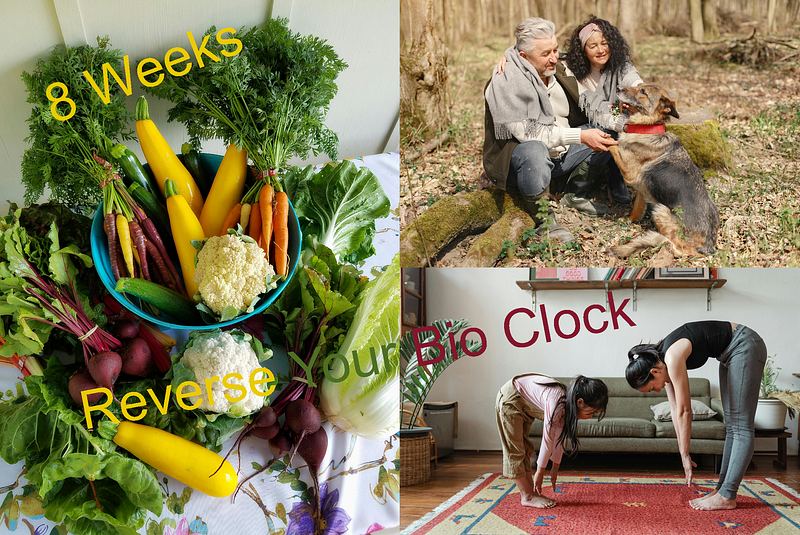
Based on scientific findings and one very successful clinical trial, along with Dr. Kara Fitzgerald’s work at a clinic, Younger You: Reduce Your Bio Age and Live Longer, Better (Hachette Go, 2022) offers the reader not only some preformed diet and lifestyle solutions to reverse bio age and enjoy health for longer but also some great ideas.
The book is packed with so many amazing comments on epigenetics and helpful nutritional information that I’m sure I can’t do it justice in this review. But I’ll try. The book has 684 pages and I’ve been reading these past few days the delightful recipes she offers in the latter part of her book. Younger You is worth reading for these recipes alone! They are tasty gluten-free and dairy-free recipes that you will savor as you also reverse your bio age by a few years.
This book was put together in conjunction with an eight-week pilot study that reversed the biological age of the study-group participants by an average of 3.23 years. I think you agree that it’s pretty spectacular for a two-month intervention to achieve such results. Dr. Fitzgerald, the lead author of this small clinical trial, the first to aim to reverse bio age in healthy individuals through nutrition and lifestyle strategies alone, was just as surprised as the rest of us reading her book.
But then she describes how it all works from the perspective of epigenetics, which dictates how well our bodies can repair themselves, and it all begins to make sense. Epigenetics studies DNA methylation, the action of biological markers that affect gene expression, markers that determine if certain genes are turned on or off. I’ve known of the importance of epigenetics for a while, but this book gave me the impetus to put a lot of what I know about health and nutrition to better use and change my diet further, try to get more restful sleep, do intermittent fasting and more exercise, and learn more about relaxing breathing (in James Nestor’s book Breath: The New Science of a Lost Art) and meditation (in Daniel Goleman and Richard J. Davidson’s book Altered Traits).
Disclaimer: The information in this article is intended for general informational and educational purposes only. By using this article, you expressly agree that you do so at your sole risk. I am not a medical or health practitioner, and no part of this article, or the articles, websites, and products I mention and link to, is intended as professional medical or health advice and should not be considered as such. Consult with your doctor(s) about starting any course of treatment, taking any supplements, or changing any (dietary, exercise, etc.) routines. Note that natural supplements and even some foods may interfere with certain medications. Also, ask your doctor(s) about potential allergies you may have, including cross-reactive allergies. Some allergens can cause anaphylaxis.
I personally didn’t do Dr. Fitzgerald’s Younger You Intensive diet and lifestyle plan because I don’t believe in putting my body through abrupt changes, but I did implement small steps, which eventually helped me lose 7 kilograms in less than 2 months and feel so much better in my skin. In the pilot study I mentioned, the participants followed the Intensive program, but Dr. Fitzgerald also details in her book A Younger You Everyday Program. She recommends the latter as a stepping stone to the Intensive program or as a maintenance program after doing the Intensive one. Both plans can be adapted to meet the requirements of various therapeutic diets, be they vegetarianism or veganism, keto and keto-leaning, or Paleo — although she doesn’t recommend a diet like keto for the long term.
Dr. Fitzgerald works at a clinic as a holistic physician, where through her Younger You programs, she has helped patients not only reverse their bio age but also improve or remove symptoms of various conditions such as autoimmune diseases, allergies, and diabetes. She argues that acting on the epigenome through the Younger You program can help rebalance one’s body. It does that because, unlike medicines, her diet and lifestyle plan address the whole body, so instead of dealing with health conditions separately, it helps the body by reversing the single most important risk of disease: age.
Dr. Fitzgerald mentions in her book that she has adopted a baby girl at the age of fifty and that she wants many good years ahead of her to spend with her child. She also brings up various statistics that show that in the US, life expectancy is 79.3, but, on average, at 63.1 years old, people develop a serious health condition, which means that they spend over 16 years with a less-than-fulfilling health-related quality of life. The author embraces the view whereby, instead of constantly declining, quality of life should be about the same throughout one’s life until close to the moment of death. Better yet, besides fighting off or putting off severe chronic illnesses, reversing the biological age may even help extend one’s life.
The author likens epigenetics to the software that works with the hardware of our genes. She then goes on to explain that DNA methylation is the most important part of this software, the operating system. It works by adding methyl groups to genes, which switches the latter on or off, or impacts the extent to which they are expressed.
We have many ways to influence DNA methylation and, through them, our biological age and the risks of various diseases, whether that means postponing or preventing their onset or alleviating their symptoms and progression. Fitzgerald lists some of the good factors, and then she goes on to comment more on each of them. The most important good factors — or levers, as she calls them — are just-right foods, moderate exercise, a good gut microbiome, enough restful sleep, meditation and other relaxation, and cuddling. The negative levers are toxins, immoderate exercise (too little or too much of it), a bad gut microbiome, too much stress, certain medications, and high blood sugar.
Methylation impacts every cell in the body continually, and DNA methylation produces and repairs DNA and impacts DNA expression — and these epigenetic marks last through cycles of cell division and further on through generations. Adding methyl groups to a strand of DNA switches the gene off or turns down its expression. This is called hypermethylation. In contrast, hypomethylation, which happens when methyl groups are stripped off a DNA strand, turns that gene on or turns on the volume of its expression.
Hypermethylation refers to a situation where a good gene is turned off. Hypomethylation happens when a bad gene is turned on. It’s a little counterintuitive, but the way DNA methylation works is more commonly thought of as a process that downregulates gene expression. I’ve read elsewhere that positive DNA methylation happens as well, but there’s less research on the latter, and the account in this book is about DNA methylation as suppression of gene expression, and I’m assuming she focuses on too many methyl groups turning off good genes and fewer methyl groups turning on bad genes because, to simplify things, this is what needs to be avoided through a healthy eating regimen and lifestyle. In fact, however, genes are complex enough to be both hypermethylated in some spots and hypomethylated in others.
The third important concept in DNA methylation is demethylation: passive when the DNA replicates without certain DNA methylation marks, and active when enzymes strip off a methyl group from the DNA strand.
The methylation cycle involves a whole range of chemicals — starting with folate, vitamin B12, and folate, which are supported by choline, vitamins B6, B2, and B3, along with magnesium, potassium, and zinc, themselves supported by other nutrients, including omega-3 fatty acids — that combine to convert methionine into S-adenosylmethionine (SAMe), a compound that has many important functions everywhere in the body and is also a universal methyl donor to various methylation reactions that take place with the help of enzymes. These enzymes, too, interact with nutrients and phytonutrients.
The focus of this book is, in effect, on these latter chemicals, from the carbs, proteins, and fats, vitamins and minerals, fiber, and water, to various phytonutrients.
The author lists the phytonutrients of interest to her from an epigenetics perspective. They are anthocyanins; apigenin; catechins, including epicatechin and epigallocatechin gallate (EGCG); chlorogenic acid; curcumin; diindolylmethane (DIM), which is not present in foods, being only a metabolite of a compound found in cruciferous vegetables; ellagic acid; equol, a metabolite of daidzein, a phytoestrogen in soy foods; fisetin; genistein; hesperidin; kaempferol; luteolin; lycopene; myricetin; naringenin; proanthocyanidins, polyphenolic compounds that are also pigments of red, blue, and purple in plants; pterostilbene, a polyphenol present not only in blueberries, cranberries, and several other berries, along with red grapes and almonds, the foods the author lists in her nutrient table, but also in other foods such as peanuts and cocoa, although it’s true that it does so in lesser amounts; quercetin; resveratrol; rosmarinic acid; silibinin; sulforaphane; and ursolic acid.
The above list is extensive but not comprehensive enough, given all the important phytonutrients identified so far. But this is the extent of research directly focused on DNA methylation. There’s much more to discover in terms of healthy eating, however, and I would point here specifically to the 2020 PREDIMED-Plus randomized trial from Spain, which involved 6633 people of 65.0 ± 4.9 years, all of them suffering from at least three of five components of the metabolic syndrome: disturbances in the metabolism of glucose, hypertension, low HDL-C, dyslipidemia, and abdominal obesity. The study tested the health benefits of an energy-restricted Mediterranean diet supplemented with extra virgin oil and nuts and concluded that dietary polyphenolic compounds — which include flavonoids and phenolic acids — along with moderate physical activity (walking 45 minutes a day or equivalent exercise) correlate with improved numbers for these components.
The Mediterranean diet the study group followed was a healthy diet rich in a variety of polyphenols: apples, chocolate, and red wine rich in catechins and proanthocyanidins (red wine also scores at hydroxybenzoic, hydroxycinnamic, and hydroxyphenylacetic acids and stilbenes); tea rich in theaflavin and hydroxybenzoic acids; oranges rich in flavanones, flavones, and lignans; onions, spinach, and lettuce, rich in flavonols; broccoli and various seeds, rich in lignans; walnuts, rich in naphtoquinones; extra virgin olive oil rich in lignans and tyrosols; olives rich in anthocyanins, hydroxycinnamic, hydroxyphenylpropanoic, and hydroxyphenylacetic acids, and tyrosols; and so on, including bread, coffee, and even beer. (I took this info from a table provided by the researchers.)
Back to Dr. Fitzgerald’s book, while it may not be as vast-ranging as other studies in terms of the research it encompasses on nutrients and nutrient-responsive genes, a.k.a. epi-genes, it does provide a good overview of what to include more in one’s diet. And it all comes down not only to these phytonutrients but also to enzymes.
Dr. Hiromi Shinya, author of The Enzyme Factor, would have agreed with Dr. Kara Fitzgerald in that they both champion the idea of a healthy diet and lifestyle that helps create more enzymes for the body. Dr. Shinya proposed in 2011 that the body has a primordial, pluripotent enzyme that engenders many other enzymes in the body but which, unfortunately, has a limited reserve for each person — which is why it’s important to help the body create more enzymes for its various functions by not destroying the ones the body makes and by increasing their number through healthy eating. Dr. Shinya, who was one of the pioneers of modern colonoscopy, together with William Wolff, died at 86 in 2022, having performed over 300,000 colonoscopies in his work as a general surgeon. He based his life regimen on what he learned from this experience as well as on his clinical practice over time with a vast number of patients, where the latter described symptoms which he could then compare with the results of their colonoscopy. He described his regimen in The Enzyme Factor as well as in other books, such as The Shinya Method, and while we’re all different and with different needs, he probably has good and great ideas for everyone in these books.
The same is true of Dr. Fitzgerald’s book. It offers many ideas that one can apply regardless of following one diet and lifestyle plan or another — ideas that, furthermore, the reader can integrate into various other diet plans, as I’ve mentioned before.
One such idea — perhaps not all that surprising — is that cuddling, too, affects our bio age. I know there are people who don’t like to hug family and friends, and I feel it’s such a shame. I confess I, too, have become more of a hugger after reading this book, much as I’ve been one before. Among other things, I’ve learned that infants who grow in group homes without much love, physical or otherwise, suffer intractable developmental challenges partly because their epigenetic activity suffers from a lack of embraces and other physical expressions of love.
Another idea that struck a chord is that high-sugar meals impact the body for much longer than I thought, longer than six days in the case of mice. Mice and humans are not all that similar, after all, but in terms of lifespan, one mouse day equals about forty human days, so six mouse days is quite a lot.
Dr. Fitzgerald goes on to describe four small recent studies where the volunteers showed a reversal of their bio age — whether the studies set out to do that or not — after being given various medications and supplements. One targeted regeneration of the thymus gland and involved nine healthy young men taking the growth hormone and metformin, a diabetes medication, among others, for a year. The second study involved 120 people who ate a Mediterranean diet and took 400 IU of vitamin D3 for a year. The third study involved African American volunteers who were overweight or obese; they took vitamin D3 supplementation in various doses. The fourth study is the one devised by Dr. Fitzgerald as a principal author. It was published in the peer-reviewed research journal Aging in 2021.
I’ll leave you to read the details of these studies in the book, but the main point is that they all had some success with regard to reversing bio age, but, in the case of the first one, it must have come at a high cost, with difficult side effects and possible negative influence in the long run, and in the case of the third one, the author argues that vitamin D3 supplementation may not make much difference if one has enough of it in one’s body.
Dr. Fitzgerald’s study involved thirty-eight healthy male participants, fifty to seventy-two, eighteen of whom comprised the intervention group who stuck with the Younger You Intensive program for eight weeks. The study didn’t include women because she didn’t want to compound the variables of the study with the effects of women’s sex hormones at this age, but she has, in the meantime — 2023 — published the results of a study on middle-aged women as well.
Even though they were healthy, with good diet habits and a regular exercise regimen, the study participants showed a decrease of 3.23 years of their bio age after only eight weeks! And, as Dr. Fitzgerald points out, this figure would have probably been even bigger with less-than-healthy participants. On the other hand, Dr. Lucia Aronica, Ph.D., an epigeneticist whom Dr. Fitzgerald cites in her book, believes that people with chronic illnesses may have a tougher time reversing their biological age, so they would need more time on a program such as Younger You Intensive.
Before getting to the tenets of the Younger You programs, the author spends some time explaining that genes do not make or break us, much as this was part of the expectations when the results of the Human Genome Project were published in 2003: to know where to intervene to fix disease. Only, as Dr. Fitzgerald says, with a poignant analogy, to expect that is similar to looking at an old newspaper, one from the day of your conception, and assuming it describes today’s events. Much water has gone under the bridge since then, and we have epigenetics to thank or blame for most of that. The information in one’s DNA is still, of course, relevant when mapping a course toward better health — even though, as the author says, it’s often confusing as well — but according to Dr. Fitzgerald, your diet, lifestyle, and various other environmental factors have more impact on your health than your genes, so nurture wins over nature.
She goes on to discuss various studies that show the long-lasting effects of diet — often ranging over generations — on agouti mice and humans, including a passage about the Dutch Hunger Winter of 1944–45, when those who were in the womb at the time were impacted negatively by their experience in utero, developing health conditions, including obesity and diabetes, that were later read into their epigenome in 2018 when scientists looked at 350,000 methylation places on their DNA. Another important study showed that the amount of food preadolescent boys ate impacted not only their epigenome but that of three subsequent generations! But, as the author says, all is not lost, as diet and lifestyle interventions can change even deep-seated epigenetic changes.
Dr. Fitzgerald argues that in terms of food quantity, moderation is golden, but I’d say that, while broadly correct, this is a simplistic view since hermit monks who don’t exercise a lot may live healthy into old age on very little food if the food is healthy and they are exposed to very few toxins, while a high-performing athlete may not only need more calories but also a diet regimen that takes into account periods of great exertions, periods of detoxification, vacation time, and so on.
The author discusses how modulating the epigenome with the Younger You programs fights various conditions and illnesses: obesity, Alzheimer’s, cardiovascular conditions, type 2 diabetes, depression, autoimmune diseases and allergies, and cancer.
The Younger You plan has three core elements: methyl donors (which, metabolized, contribute to DNA methylation), DNA methylation adaptogens (which help to regulate DNA methylation), and lifestyle (healthy habits that also lead to balanced DNA methylation). Where Dr. Fitzgerald’s plan differs from that of her functional medicine forebears, such as two-time Nobel winner Linus Pauling, Ph.D., and Bruce Ames, Ph.D., professor emeritus of biochemistry and molecular biology at the University of California, Berkeley, is, among other things, in leaning on moderate amounts of a large range of nutrients to the job other practicians of orthomolecular medicine tried to achieve with single vitamins, minerals, or other nutrients, or with a few of them, as they targeted certain conditions. In contrast, Dr. Fitzgerald aims to balance the body even better and strengthen it in the face of disease — in a safe way, she says — by reversing bio age. She calls her approach orthomolecular nutrition, and in some instances, she works with her patients using whole foods — and lifestyle changes — only. Whole foods have the advantage of delivering lower doses of nutrients repeatedly and in combination, which turns up their power.
She argues repeatedly that methyl donors in the form of supplements may do harm, which does, indeed, happen, but I feel she’s too cavalier about the fact that eating too much of a certain food is risk-free. Maple syrup, allowed on the Younger You Everyday plan, contains relatively high levels of manganese, which can overload the liver, and even something as healthy as yerba maté can lead to lung cancer and other types of cancers if consumed excessively. And then there’s the whole question of oxalates, which may be quite a problem for some people.
As befits a book that gives so much hope regarding one’s biological age, there’s also a discussion about various approaches to prolonging longevity, whether by restricting calories (which may not be such a good idea after all), intermittent fasting on five days out of seven for three months or longer, and the Mediterranean diet, which is healthy but takes longer to achieve less in terms of reversing bio age.
As I mentioned before, the Younger You plans focus on methyl donors, DNA methylation adaptogens, and lifestyle.
The most important methyl donors are folate (vitamin B9) and vitamin B12, which are the primary elements that make S-adenosylmethionine (SAMe). Other significant methyl donors are betaine and choline, and then a few minerals (zinc, magnesium, potassium, and sulfur), some B vitamins and amino acids, and omega-3 fatty acids.
DNA methylation adaptogens help the body balance DNA methylation, so it happens in the right amounts at the right spots. They include flavonoids like curcumin, EGCG, quercetin, and lycopene, among the better-known ones, along with vitamins A, C, and D3.
The book includes a list of all these two types of nutrients and associated foods.
You also need to be mindful of leading a healthy lifestyle with enough restful sleep, moderate exercise, and relaxation practices (which include meditation, yoga, music for stress relief, play activities, etc.).
To determine biological age in her pilot study, the author used Prof. Steve Horvath’s findings, published in 2013: the Horvath DNAmAge clock. It’s not the only epigenetic clock around but the only one so far that looks at bio age vs. chronological age. Fitzgerald also includes two rather helpful self-assessment questionnaires. There are also blood tests you may want to do before starting her program and after; she includes a list of those, together with the standard and optimal ranges for each test. Most of them are part of routine annual bloodwork but she recommends you do them before starting the Younger You plan, and then after eight weeks of changed diet and lifestyle — and then twice a year.
The diet in the Younger You Intensive plan is a Paleo, anti-inflammatory, lower-carb, low-glycemic, and high-fiber, relying mostly on vegetables — seven cups a day —with the addition of healthy fats and moderate protein, including animal protein, preferably organic. There is some fruit — two half cups a day — but unless you’re vegetarian or vegan, no legumes. The plan includes no grains, no dairy, and no gluten, and it does include teaspoons of herbs, nuts (except peanuts), seeds or seed butter, tea, coffee, and cocoa powder. There are menu plans with truly delicious and inspiring recipes, or you can simply eat the prescribed amounts of the various foods she lists. You get three meals and two snacks a day, and you should keep a 12-hour fasting window between evening and morning.
Dr. Fitzgerald created the Younger You Intensive plan as a diet that is best kept once or twice a year, if not continuously. For the remaining time, there’s the Younger You Everyday plan, which includes legumes, whole grains (preferably gluten-free and not fortified with folic acid — the author discusses this issue in her book), and organic dairy. You can also eat certain sweet foods like dates and maple syrup and drink small amounts of alcohol. In contrast to the Intensive diet, the Everyday diet includes, among other things, only 4–5 cups of vegetables a day, one to two half cups of legumes — best soaked or soaked and sprouted —and only 3 tablespoons of healthy fats compared to more than five of them on the Intensive plan, and then one daily cup of grains and up to two daily servings of dairy, and three beets per week instead of the rather excessive-sounding amount of one or two medium beets per day, but the author cautions that this more relaxed approach may not reverse aging but only slow it down.
The author recommends twelve superfoods — she calls them the Dynamic Dozen — and explains their health benefits while also listing alternative foodstuffs with similar properties. These twelve superfoods are green tea, turmeric, blueberries, rosemary, cruciferous vegetables, beets, eggs, organic liver, seeds, salmon, shiitake mushrooms, and spinach. Consult the book for the amounts recommended by Dr. Fitzgerald. They may or may not work for you, but at the very least, they can give you some pointers and some ideas to think about. I personally think she is pushing too much of some of these foods. The liver, for instance, contains not only a lot of iron but also a lot of vitamin A, and other doctors and nutritionists recommend not more than one liver meal per week.
Other than this Dynamic Dozen, the Younger You plans include a wealth of foods, so it looks like they can be quite pleasant. I’ve taken inspiration from them and tweaked my own diet accordingly, so you can definitely read this book that way, too, to learn some great ideas and advice about nutrition and to change your diet so it’s healthier and better suited to create positive epigenetic changes. But if you decide to do the Younger You Intensive or Everyday plan, that shouldn’t be too hard. It would certainly be easier than going to a nutritionist and doing boring specific meals each day for months. Besides, it makes more sense to eat delicious meals with more ingredients — if you’re not much into cooking, you may just develop a taste for it, one that would help you eat healthier in the future as well. Another thing that this plan has going for it is that you won’t be hungry for eight weeks, the way you may be on the many diet plans I’ve read so far from various friends and acquaintances. I’ve never cared for them, but I do like Dr. Fitzgerald’s ideas — there’s a plethora of them in the book! — and recommendations quite a lot.
Seven cups of veggies sounds like a lot, and it is a lot, but the author helps you make it manageable but sharing very useful tips on how to consume more veggies throughout the day without much hassle. You can include them in smoothies, make very hearty soups, roast them, or make amazing omelets. I’ve tried the latter with onions, garlic, and spinach, and it is quite a treat. Now I have to make more smoothies with vegetables. While I do eat green veggies weekly, I’m not a fan of green smoothies because of oxalates, but there’s a way to make veggie smoothies with certain veggies like cucumbers, zucchini, butternut squash, and avocado, along with a little bit of green veggies like kale and spinach, so I’ll try that.
The author cautions would-be adoptees of the Younger You Intensive diet against its propensity to cause gallstones or other digestive problems to those who’ve had their gallbladder removed, as well as to the fact that this diet is high in oxalates, which may cause kidney stones and other problems in some individuals. She also warns against possible side effects, like fatigue or digestive problems, as the body adjusts to healthier eating and living.
For those under a lot of stress or struggling with generational or childhood trauma and stress, the Younger You diet and lifestyle help with that as well.
The lifestyle changes Dr. Fitzgerald recommends are moderate and easy to implement: a little exercise (for Younger You Intensive, a minimum of five weekly sessions of thirty to sixty minutes each without working up too much of a sweat: walking briskly and working in your garden will do), enough restful sleep, meditation (for Younger You Intensive, ten to twenty minutes twice a day), and cuddling and other ways to boost oxytocin. The author comments and gives guidance for each of these components and mentions other activities, such as yoga and tai chi, that help with relaxation and the reversal of the biological clock. I feel a lot more emphasis should have been placed on time spent in nature, but there are other good books about that, so I didn’t miss much of those discussions in this one.
The author also devotes a chapter to supplements, which she believes sometimes can help, including the Younger You Intensive plan, if taken in moderation, especially if you don’t eat certain foods. I have my qualms about many of these recommendations, even as they do point to important research findings. As always, consult with your primary care physician or other medical doctors before changing your diet and lifestyle.
I haven’t commented on all the chapters in the book — she talks, for instance, about how to fight environmental toxins; about the importance of epigenetics through life and specifically pre-conception and during pregnancy; and about ways to help tumor-suppressor genes with the right foods and lifestyle — but I want to make sure I mention the recipes. People’s tastes vary widely when it comes to cooking, but to me, these recipes sound just wonderful. They also align with my kind of cooking as a thirty-plus and forty-plus adult as after reading about the health benefits of certain veggies, gluten-free flours, and legumes as well as spices like turmeric, ginger, cumin, etc., I started to use similar food and spice combinations.
The recipes in the book include Matcha Coconut Crunch (granola-like bars not just with matcha powder and shredded coconut but also with walnuts and pumpkin and sunflower seeds); Salmon and Spinach Omelet; Savory Onion and Chard Muffins (with almond and tapioca flours, dried rosemary, and pumpkin seeds, among other great ingredients); Herbal Epigenetic Dressing (with olive oil and MCT oil, lemon juice and zest, garlic, sunflower seeds, thyme, parsley, rosemary, and sage, and freshly ground black pepper); Red Cabbage, Beet, and Pomegranate Slaw; Spiced Butternut Squash and Red Lentil Soup; Luscious Liver Pâté; Fragrant Spiced Rice; Spiced Salmon Cakes with Vegetable Fries and an Avocado Mayonnaise (the salmon cakes made with Dijon mustard, turmeric, and sesame seeds, along with scallions, garlic, eggs, and other yummy ingredients); Red Lentil and Tempeh Curry (with turmeric, garlic, ginger, coriander, and cinnamon among the usual ingredients, along with tahini and other tasty choices); Epigenetic Chili; Cauliflower-Crust Pizza; and many more, including chocolate-based and other desserts.
This is truly a very informative and practical book. At 684 pages, it’s not a short one, either. It’s one of those super valuable popular science books on health and wellness that one doesn’t find very often.
I hope you’ve enjoyed this review of Dr. Kara Fitzgerald’s book Younger You: Reduce Your Bio Age and Live Longer, Better.
If you’d like to read more on related topics, here are two — shorter! — articles of mine on lowering your cholesterol naturally:
Foods That May Lower Cholesterol. Some May Also Help with Fatty Liver
Plants and Herbal Teas that Lower High Cholesterol and Help Improve Liver Health
And here’s a brief article on How to Easily Lose Weight in Perimenopause
I’ll be back shortly with more on health and wellness, including a few other book reviews.
If you’d like to stay abreast of my new pieces on Medium, you can sign up for emails here.
But first, you may need to join Medium to be able to read them. If you do so, you’ll get full access to every story on Medium and will get to support the writers you read most.
To a happier, healthier life,
Mira