
Plants and Herbal Teas that Lower High Cholesterol and Help Improve Liver Health
It’s not easy sometimes, but there are plants and herbal teas that help with cholesterol and nonalcoholic fatty liver disease. A review.
High cholesterol and nonalcoholic fatty liver disease are highly associated with a future risk of cardiovascular disease. For that reason, many people start taking statins at 40 these days, or even earlier in some cases, especially if they have a family history of cardiovascular disease and hypercholesterolemia.
A good many people struggle with this so-called “familial hypercholesterolemia,” so it can be the case that whatever they do — healthy food, exercise, weight loss, herbal teas — they won’t be able to lower their cholesterol enough without statins.
But I’m trying to do just that, even though it’s not easy. I’m also in my mid-forties and struggling with high cholesterol, triglycerides, and nonalcoholic fatty liver disease (NAFLD), much of it due to a more sedentary lifestyle I adopted since the pandemic, despite knowing better, and also because of perimenopause. I’m also dealing with low-level stress, and it’s well known that stress raises cholesterol levels.
So last November and December, I finally decided to be more responsible about this aspect of my health and deal with things more holistically. I saw a doctor, and he recommended I do three things: clay, sprouted red rice, and herbal teas for a general and liver detox; natural prebiotic and probiotic foods for better colon health; and a mostly Mediterranean diet. I also exercised more. I’ll talk more about the whole detox in a future piece.
In this article, I’d like to focus on the plants I used in my herbal teas.
Disclaimer: The information in this article is intended for general informational and educational purposes only. By using this article, you expressly agree that you do so at your sole risk. I am not a medical or health practitioner, and no part of this article, or the articles, websites, and products I mention and link to, is intended as professional medical or health advice and should not be considered as such. Consult with your doctor(s) about starting any course of treatment, taking any supplements, or changing any (dietary, exercise, etc.) routines. Note that natural supplements and even some foods may interfere with certain medications. Also ask your doctor(s) about potential allergies you may have, including cross-reactive allergies. Some allergens can cause anaphylaxis.
When it comes to plants, the ones most often used for liver health are milk thistle and artichoke. The seeds of milk thistle (Silybum marianum) yield silymarin, and the leaves of artichoke (Cynara scolymus L.), cynarin. These compounds are routinely included in liver supplements.
For herbal teas, there are various other plants that help protect the liver and lower cholesterol. At my doctor’s advice, I used them in infusions or decoctions for a detox period of 6 weeks, which, I was told, I could then repeat up to 4 times a year. I combined them based on aerial parts vs. roots and drank infusions for 3 weeks and decoctions for another 3. At my doctor’s recommendation, I made a one-liter pot and drank from it the whole day long.
For the infusions, I set the water to boil, added all the plant parts after turning off the heat, and let the herbal tea infuse for 15 minutes under a lid.
For the decoctions, I boiled the roots and other plant parts for 5 minutes and let them steep under a lid for another 30 minutes.
Please note that every person is different, and a doctor may choose different plants for you based on an extended blood test and your health profile. Also note that, as always, plants may interact with medications, and concentrated supplements can often do more harm than good.
But if you’re wondering about the plants I used in my herbal teas (and researched), here are some of them. Please note that these herbs may have side effects and/or interfere with medications, partly because they affect the liver and the liver breaks down many medications, or, for instance, because they duplicate the effect of these meds, as is the case with roselle, which lowers high blood pressure, and coupled with a medicine for that, may do so too much. Also note that concentrated supplements can often do more harm than good, sometimes even leading to liver failures, such as green tea supplements, or cancer.
Back to plants for herbal teas, I’m also including here (with an asterisk) plants that are effective in improving liver function and reducing cholesterol but which weren’t included in my detox. There’s a school of thought in nutrition that says during a detox, you should focus on plants common in your area for many generations. Astragalus and ginger, for instance, are recent remedies in my region of Europe. Recent when comparing them to other plants, revered as medicinal herbs here for millennia.
Here they are. Again, I was supposed to use one teaspoon per liter (if not mentioned otherwise) and remember that I separated the plants into two categories, for infusions and decoctions, respectively.
Be extra careful if you decide to use these herbs: do your due diligence and talk with your doctor(s). Plants are not playthings. Some of them can give anaphylactic shocks or kill you by interacting with your medications.
Here’s a list of herbal and dietary supplements from the National Institutes of Health (NIH) in the US, which comments on their health benefits and their liver toxicity. (But, again, remember the side effects and interactions don’t stop there.)
The Herbs
For the infusions
1. Chicory (Chicorium intybus L.), its aerial parts
Note that chicory is a member of the (large) aster (Asteraceae) family, which includes daisies, and it may cause an allergic reaction if you’re allergic to daisies.
While the part of chicory most studied is the root, there have been studies on chicory seeds as well, showing how they help with hyperglycemia, hyperlipidemia, insulin resistance, NAFLD, and other conditions. The whole plant was also shown to help with liver health.
See WebMD for some of the side effects of chicory, precautions, interactions, and more.
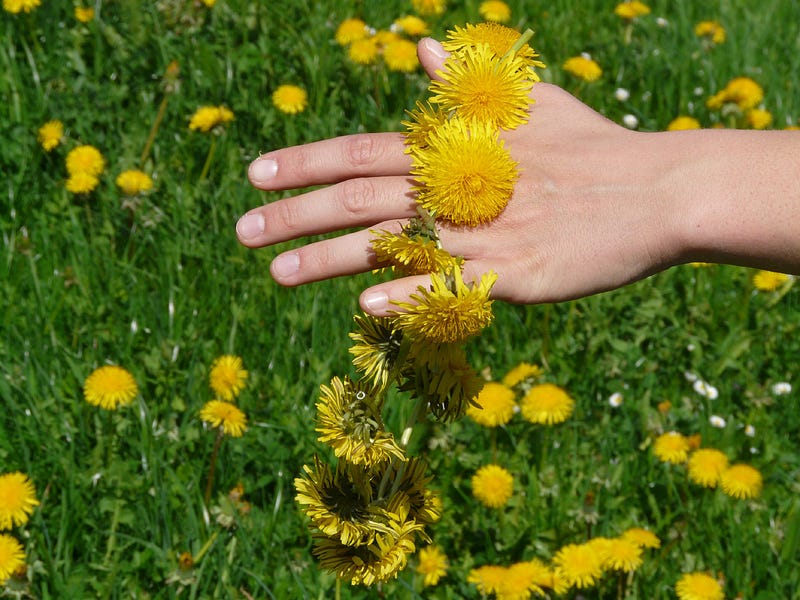
2. Dandelion (Taraxacum officinale)
Here’s a 2020 study about how dandelion extract improved liver fibrosis in rats (working better than silymarin) and decreased inflammation in their livers, along with lowering two of their hepatic oxidative stress markers, among other health benefits. Note that dandelion is, too, a member of the aster family.
Dandelion has both hypolipidemic and hypoglycemic effects among its health benefits.
Here’s WebMD for some of the side effects of dandelion, precautions, interactions, and more.
3. Melissa a.k.a. lemon balm (Melissa officinalis L.)
Here’s a 2005 study about how lemon balm lowered lipid levels in hyperlipidemic rats, while also improving their liver function.
Lemon balm can cause sleepiness. It also affects the thyroid.
See WebMD for some of the side effects of lemon balm, precautions, interactions, and more.
4. *Roselle (Hibiscus sabdariffa L.)
A 2009 study on rats has shown that extracts of roselle leaves and calyces have antihyperlipidemic and antioxidant effects.
Note that this species of hibiscus is also one of the best natural remedies for high blood pressure, and it interacts with medication for it.
For some reason, it was not on my list of plants for the infusion, but I have been adding it to herbal teas for many years now. Note that a little goes a long way with rosselle. Half a teaspoon is more than enough to add its particular kind of flavor to a one-liter pot of tea.
See WebMD for some side effects of Hibiscus sabdariffa, precautions, interactions, and more.
5. *Thyme (Thymus vulgaris)
This study from 2017 shows that thyme has a significant effect in reducing triglycerides and blood pressure in healthy individuals. It also reduces total and LDL cholesterol.
Thyme was not on my list of herbs for this detox, but I have been using it myself for a long time, every now and then.
Note that thyme is a blood thinner, and it may interact with anticoagulants and meds for high blood pressure, among other medications. Thyme is safe for me to use, but I don’t go overboard because it’s a strong herb. I add less than a quarter of a teaspoon to a one-liter pot when I use it in blends.
WebMD gives some of the side effects of thyme, precautions, interactions, and more.
6. *Green tea (Camellia sinensis)—the true tea plant
There are studies showing that green tea can help with liver disease, including liver steatosis, but too much green tea is toxic for the liver and can even lead to liver failure.
I add some green tea to my herbal infusions, but I’m sparing with it. Half a teaspoon is more than enough for me for a liter if I mix it with various herbs. And if I use it by the mug, with an infuser and an added herbal tea sachet for flavor, I use only a third of a spoon. Note that green tea can cause iron-deficiency anemia if consumed in larger quantities.
See WebMD for some of the side effects of green tea, precautions, interactions, and more.
For the decoctions
1. Chicory (Chicorium intybus L.), its root
A 1998 study showed how rats were given a water-soluble chicory extract had significantly higher HDL, “good” cholesterol, and lower LDL cholesterol. Another study from 2000, also on rats, showed that a water-soluble chicory extract significantly decreased cholesterol absorption in the jejunum and ileum parts of their small intestine.
While I cannot easily find human studies that link chicory root and its effects on high cholesterol in human individuals, there are studies showing how inulin, a prebiotic fiber, helps lower TC and triglycerides. Here’s a meta-analysis.
Fresh chicory root is up to 68% inulin by dry weight.
Chicory root also helps with NAFLD.
Chicory root has a mild laxative effect.
Again, see WebMD for some of the side effects of chicory, precautions, interactions, and more.
2. *Astragalus (Astragalus membranaceus and Astragalus membranaceus var. mongholicus), its root
Astragalus is a go-to remedy in Traditional Chinese Medicine (TCM), though not necessarily for liver issues. Recently, however, astragalus was shown in various studies to have antifibrotic effects, not only as pertaining to the liver, but also in renal, pulmonary, peritoneal, and cardiac fibrosis.
Note, however, that astragalus can negatively impact people with autoimmune diseases as it can rev up their immune systems.
See WebMD for some of the side effects of astragalus, precautions, interactions, and more.
3. *Ginger (Zingiber officinale), its root
Not on my doctor’s list of plant components, but studies show ginger is effective for cholesterol and hepatic steatosis (but not hepatic fibrosis) if used in meals as bits from the fresh root or as a spice, in powdered form, rather than boiled as a decoction.
That said, now that I’m done with the strictures of my liver detox, I’m enjoying (prepackaged) dry ginger root in my tea a lot (for a month only, and then I’ll take a break).
I’m also back (after this detox) to using ginger more in doughs and stews, and other meals. I use it in moderation because ginger is a blood thinner, and so are other spices I enjoy, such as turmeric and cumin, but I do use one half a teaspoon per dough (here’s my recipe for a healthy and satisfying Romanian pizza) or pot of stew because it’s quite potent.
Ginger also helps increase insulin sensitivity, among its other health benefits.
I couldn’t find scientific studies on ginger root tea specifically and its benefits for the liver, but the gingerols and shogaols from ginger — antioxidant, anti-inflammatory phenolic compounds — do leak into the tea water (they are the ones that give ginger its pungency), so I’m assuming there are some health benefits for the tea as well (as it’s traditionally assumed).
Ginger is a blood thinner, so watch out for that if you’re on medication to prevent blood clots or if you’re due for surgery.
See WebMD for some of the side effects of ginger, precautions, interactions, and more.
[*Turmeric (Curcuma longa), with its antioxidant, anti-inflammatory compound curcumin, is also good for cholesterol — here’s a meta-analysis that shows turmeric and curcumin significantly reduced LDL-C and TG in 7 studies — and very helpful for the liver, but I personally wouldn’t like it in tea. You have to get something with a drinkable taste if you are to sip from it all day long. Turmeric tea is a thing, though, so you may want to try it.
Note that turmeric, too, is a blood thinner, and it may interact with anticoagulant medications, among others.
See WebMD for some of the side effects of turmeric, precautions, interactions, and more.]
4. Burdock (Arctium lappa L.), its root
Burdock is a lesser-known member of the aster family, so, again, beware of allergies. It can also give you a rash even if you’re not allergic to plants in the daisy family. (I got two of those myself on my legs many years ago after using some burdock root supplements.) Pregnant women should also stay away from this root because it can unduly stimulate the uterus, leading to premature birth.
Burdock also has hypoglycemic effects, so if you take meds for diabetes, make sure your blood sugar doesn’t go too low.
All that said, among its other health benefits, burdock root may help improve liver function, including by helping with fatty liver disease. I used half a teaspoon.
Note that burdock, too, is a blood thinner and may interact with your blood-thinning medication.
Here’s WebMD on some of the side effects of burdock, precautions, interactions, and more.
5. Elecampane, a.k.a horseheal or elfwort (Inula helenium L.), its root
This plant, another one from the large aster family, is native to Europe and Asia and has been traditionally used in these parts of the world for “wet” respiratory illnesses (for instance, in TCM and Tibetan and Ayurvedic medicine), including bronchitis and tuberculosis. It’s rich in inulin and other phytonutrients and used for liver health as well, among other health benefits.
Elecampane has powerful antioxidant, anti-inflammatory, antibacterial, and antifungal properties, and it’s even been proven to be “100% effective” potent in vitro against 200 Staphylococcus aureus strains, both methicillin-sensitive (MSSA) and methicillin-resistant (MRSA).
(Elecampane has been recorded in notable manuscripts for its medicinal properties from ancient times, going back to 2700 B.C.E. Along with its use in TCM and Ayurvedic and Tibetan medicine, it appears in Minoan, Mycenaean, Egyptian, Assyrian, and Serbian (Chilander Medical Codex) records. It’s also been traditionally very popular in the British Isles. This was mostly for its help with respiratory ailments, so not about its effects on the liver, but this plant’s longstanding renown seemed like an interesting digression.)
Note that elecampane can cause sleepiness.
See WebMD for this and some other of the side effects of horseheal, precautions, interactions, and more.
6. *Rose hips (Rosa canina L.), the fruit of dog rose, are also very good for cholesterol.
A 2012 study on 31 obese individuals, with or without impaired glucose tolerance, showed that 40 daily grams of rosehip powder, consumed over six weeks, can significantly lower TC, LDL cholesterol, and the LDL/HDL ratio. It also worked for systolic blood pressure.
I don’t take supplements lightly these days, but I do enjoy my teas and use rose hips in various blends now and then. I have no idea why my doctor didn’t include rose hips on the list. Maybe he focused on less common ingredients since many people in Romania use rose hips, for instance.
Rose hips contain several antioxidants, from vitamin C to catechins and quercetin, and others. Above all its phytonutrients, however, rosehip seeds contain tiliroside, a flavonoid with many health properties, which also protects the liver, including a fatty liver. In a 2013 study, mice fed both a high-fat diet and a rosehip extract for 8 weeks gained less weight and visceral fat than the group fed only the former. The liver of the former also weighed less, and their hepatic lipids and triglycerides were lower.
I first cottoned onto rose hips for liver health after a discussion with an old lady, probably in her eighties, selling the fruit in the street. She told me they were good “for blood pressure, cholesterol, and for the health of the liver.” And, indeed, they are. I wish I had looked more into things and used rose hips in my tea blends regularly. But then again, I use about thirty herbal teas in rotation regularly, so it’s easy to forget about one of the plants. But rose hips are truly a great help when it comes to fatty liver and cholesterol.
There are situations, however, when you should not use them. They’re also dangerous in high doses (they can lead to blood clots: deep vein thrombosis) or in supplement form (you can get kidney stones, for instance), and can have side effects even when used in moderation. They also interact with medications and are not good for you if you have certain illnesses, such as sickle cell disease.
Here’s WebMD on the uses and risks of rose hips.
7. Sea buckthorn (Hippophae rhamnoides L.), the berries
Sea buckthorn is another popular remedy in this part of the world. It’s also used in Ayurvedic medicine and TCM.
Sea buckthorn berries are especially rich in nutrients, from important vitamins (C, alpha- and beta-carotene, K, E, along with B vitamins) and minerals (potassium, iron, calcium, magnesium, and others) and omega-3 and omega-6 polyunsaturated fatty acids along with omega-7 and omega-9 monounsaturated fatty acids. Sea buckthorn is a rich source of the latter, along with avocado and olive oil. It also contains antioxidants, anti-inflammatory phenolic acids and flavonoids, cholesterol-reducing phytosterols, other phytonutrients, and 18 amino acids.
A 2017 meta-analysis concluded that “supplemental sea buckthorn” significantly improved the lipid profile in subjects with NAFLD or hyperlipidemia but had no such effect in healthy subjects.
As this meta-analysis refers to multiple studies on human individuals, the sea buckthorn must have been administered differently in each one. I have never taken sea buckthorn supplements myself and would be wary of them because these fruits are so powerful, but I have been using whole fruit in my tea. The tea box says I should macerate them first for up to ten hours. I haven’t been doing that, but I’ve just started today.
Sea buckthorn is a blood thinner and can lower your blood sugar, so be wary of it if you take anticoagulant medications and medications for diabetes.
See WebMD for more on the uses and risks of sea buckthorn.
I’ll stop here with this list of herbal teas for high cholesterol, but since we’re on this topic, I don’t want to leave out a trendier item, bitter melon, a.k.a. bitter gourd (Momordica charantia). One 2018 study shows that it can help lower LDL cholesterol. Other studies, on animals, including ones mentioned in the above paper, show that it can lower blood sugar as well and help in several ways with metabolic syndrome.
I learned about this plant after my detox and am trying to see how I can incorporate it into my diet. I tried making tea with it, but it wasn’t bitter enough. Then I tried eating the actual fruit slices, and they were very, very bitter. I don’t think I’ll eat them. But I don’t want to take supplements with bitter melon, either. So I personally will stick with bitter melon tea, making it separate from the pot of decoctions and infusions I make daily.
Now that I’m done with the detox I include in that pot some (not many) of the above plants, in rotation, to keep working on that cholesterol, and then I vary the health profile with other herbs and the flavors with various floral and fruit accents.
For the sake of clarity, here’s how I do it these days: I first boil the dried ginger and the sea buckthorn for a few minutes, for instance (I keep changing things every three to four weeks), and then turn off the heat, add everything else I want to add (often at a moment’s inspiration), and let the tea infuse for 15 minutes.
I hope you’ve enjoyed this article. I’ll be back with a story about my detox and and two or more articles about a food regime that may lower high cholesterol and improve liver function.
If you’d like to stay abreast of my new pieces on Medium, you can sign up for emails here.
But first, you may need to join Medium to be able to read them. If you do so with my referral link — Mira G. Eliodora — I’ll get a small commission at no extra cost to you. You’ll also get full access to every story on Medium and will get to support the writers you read most.
To a happier, healthier life,
Mira


