
Reverse Culture Shock — The Dip When Coming Home After A Long Time Abroad
When home doesn’t feel like home anymore
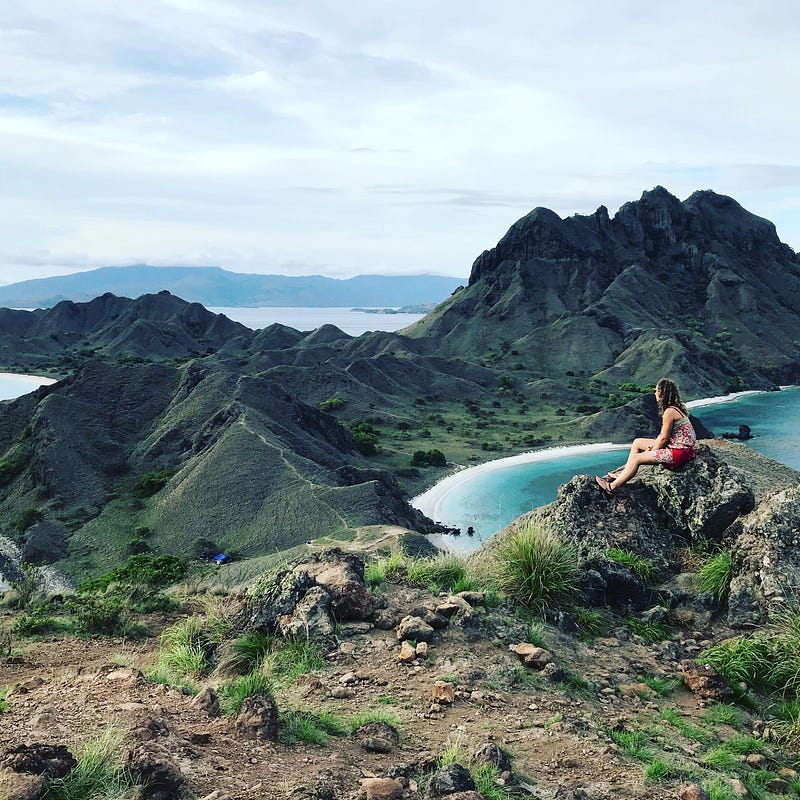
I first moved overseas when I was 19 years old — to the United States, for six months. It was a trip I had been dreaming of for almost all my teenage years and it opened up a whole new world for me.
But when I came back home, I could have never anticipated the dark feelings that hit me. It was so depressing that I couldn’t even leave my bed, desperately trying to hold on to the dreams that America had given me. My tiny country (The Netherlands) felt like a prison. All I could think about was how to escape again.
Little did I know this is a very common phenomenon, also known as reverse culture shock.
What does a reverse culture shock feel like?
In my adult life, I have now lived abroad longer than I have been in my home country (the Netherlands). That first moment of coming home is now 16 years ago, and I still remember exactly how it felt. Because every time it still feels like this. It is a feeling not often talked about in the travel scene, but incredibly hard to deal with when it hits you.
After all, you have most likely lived an amazing time in another country, made awesome new friends, and had wonderful experiences. Being in a faraway country opens you up to a world far beyond your wildest expectations. Don’t get me wrong though — traveling for a long time also comes with its challenges. But for me, coming home was when shit really hit the fan.
The second time I came home was even worse. I had been away for three years — three non-stop years! I was 23 years old when I left, and 26 when I returned, to finish my University degree. I had been in Australia for two years and had made enough money to travel to Asia for almost a full year.
My life consisted of the most beautiful beaches, good travel friends, endless backpacking and sleeping in hammocks, full moon parties, remote cultural experiences, and an indescribable feeling of freedom.
How can I ever feel free again?
Especially during my year of backpacking around Asia, I had no worries at all — other than wondering where I’d take the next bus to. Every day I experienced something new, and when I didn’t like something, I just moved on. To me, it was the ultimate free life.
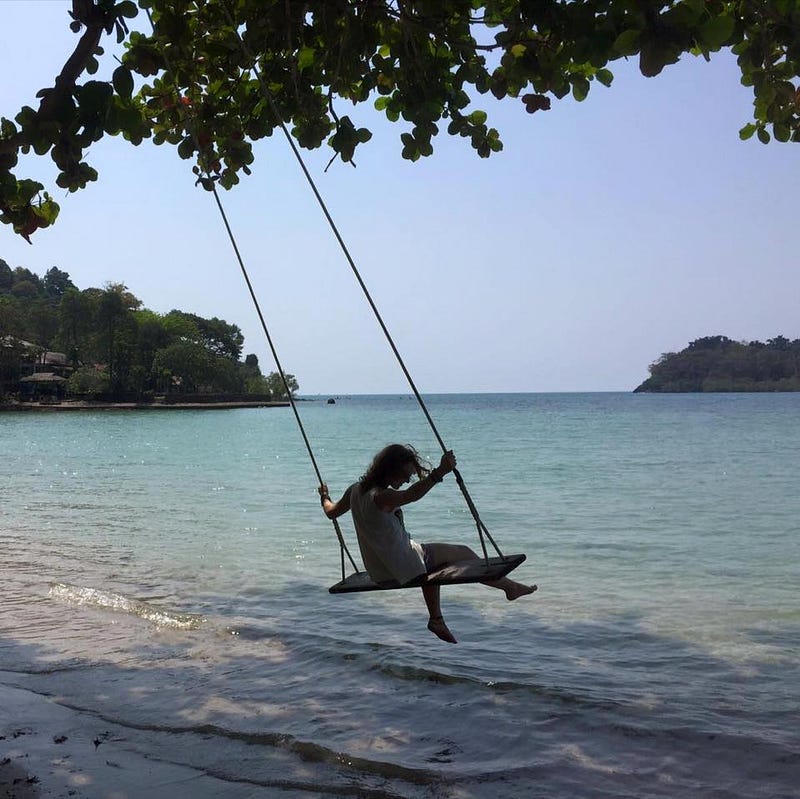
So when I came home to finish my degree (which would take me 1,5 years), I fell into the same darkness as the first time. I felt like a foreigner in my own country — gazing at how life was just passing by like nothing happened here.
I could not relate to anybody or anything anymore and was missing my backpacking lifestyle insanely. It felt like my old friends hadn’t changed a bit, while my whole world had been upside down for the last few years.
Life is passing by without me.
Sometimes I sat down at the train station, watching people going to school and work and just doing their thing. And I had no idea how I had ended up between them. I couldn’t even move myself around these masses of people anymore. I was literally paralyzed to be able to experience life.
The stages of a reverse culture shock can be very confusing, and it does take quite some time to adjust to your own country again. Or if you’re like me, you can never fit in anymore.
Reverse culture shock signs
If you’re going through this, you probably recognize the following reverse culture shock signs:
1. Feeling like you don’t belong
After seeing so many incredible places and having a sense of belonging with other travelers, my own country felt more foreign than ever to me. I have never felt like I belonged in the Netherlands, but especially after a long trip, I feel like an alien from space.
No matter what I try, I look at my fellow Dutchies, and just do not resonate. The society life and its fully planned agendas make me want to hide under my blanket, only to come out when somebody hands me a plane ticket.
2. Homesick to your travel country
If you’ve ever been to a beautiful country where life was amazing to you, it’s no wonder you get homesick. Other countries give you new experiences and a whole different lifestyle. Something you probably don’t have in your own country.
If living abroad was something you enjoyed, it’s very hard to not miss any of that when coming back home. When I left Australia, it felt like a piece of my heart stayed behind there. I missed every single thing of my life there — from the people, to the sports, to the nature. I even missed my work!
3. Shocked about the luxury people live with
This happens especially when you have backpacked around for a while. I had a budget of $1,000 USD per month in Asia, and this was plenty! I stayed in the most amazing beach huts and dined like a queen — while not even working one single day.
Back home, this is what I would have to spend on just renting a room! It shocked me how expensive everything was and how I could not just easily go out for dinner whenever I felt like it.
It also shocked me how much money people back home spent.
From buying the latest designer fashion to 100$ cocktail parties — money was flowing in all the wrong directions (according to me).
4. You’re bored
Back home, life just takes its normal form again. No more beaches, no more deserted island parties, no more crappy local busses through the jungle… only normal everyday stuff hits you in the face again.
I couldn’t stop watching my photos and videos — every bad day abroad was still better than a good day at home. How could I ever adjust to returning to my room after Uni, eating my shitty meal in front of the TV, and going to bed early? And the next day I had to do it all over again!
Being bored is a common sign of reverse culture shock.
5. You feel misunderstood by your friends and family
I don’t mean this in a judgmental way, but nobody understands what you’ve been through while living abroad. You learned countless life lessons, and have experienced other cultures in their depths.
I wanted others to imagine what my life had been like, but how could they? Their lives had continued like it was before I left and I felt like I came back as a whole new person.
Some of my friends even got annoyed that I always talked about “when I was in Australia…” and I don’t blame them. I lived with my head in the past and nothing could compare to my life there.
6. People don’t accept your changes
This sign of reverse culture shock was another hard one to deal with. Some people don’t accept your changes. They think you’ve just been away for a bit and now can continue your normal life again.
But you can never continue your normal life again, and you want to scream this from the roof.
Life is not normal, why should I try to continue that?!
Some people will also make fun of you as that traveler who “found themselves” abroad but will keep mentioning that you haven’t changed a bit. Or they are asking you to just be normal again and pick up life where you had left it.
7. Time seems to have stood still
Every time I come back home, I am amazed by how everything still seems the same. Some people feel like I have still seen them yesterday (which is not necessarily a bad thing). And some still live the same daily life as before I left — no matter how many years I’ve been away.
It’s hard for me to fathom this. My life consisted of new experiences daily, new cities weekly, and a totally new understanding of cultures and countries, not to mention my own independence and problem-solving skills I had to lean on every day. I could not understand how in three years' time, almost nothing had changed for most people back home.
How to handle reverse culture shock?
I honestly don’t have the answer to this question, because I personally could never handle it. Even after living at home for three full years again, I was still longing for my travel life. So much that at some point I left for good.
I sold all my stuff, quit my job, and bought a one-way ticket.
I could never deal with the feeling of un-belonging ever again. However, I know that a lot of people have no choice but to accept their life back home. And most travelers eventually get over the reverse culture shock.
They see their time abroad as a beautiful memory but are happy to work towards a future at home. Settling down with the safety and luxury of home can also feel very comforting.
What if you can never settle back home again?
For those who are like me and can just not settle back home again, know that this is also okay. You don’t have to grow old in a country where you feel like you don’t belong.
Some may see it as forever running away, but I see it as taking steps toward a future you get excited about. If your home country gives you constant depression (and this can easily happen when living in a cold climate), why not build your life somewhere else?
I know it’s still quite frowned upon to leave everything and everybody behind for your own happiness, but if people really love you, they would also love you from a distance.
I still get questions about why I can’t have a life in the Netherlands, and I have lived abroad for over 10 years now. The truth is, I am just really a much happier person in a warm country with lots of nature around me, and my own country does not provide me that (and never will).
Running away from yourself
I have often asked myself the question if it was not me I was running from. After all, isn’t real happiness accepting whatever life brings you? The fact that I couldn’t accept that I can be happy in my own country, has therefore led me to the question if I am truly happy with myself.
And in all honesty — no, I wasn’t.
Traveling gave me an escape from facing myself, including my shadows.
I was running from something I didn’t even realize. Now I know they were the shadows of my past and my inability to fit in with the mainstream.
I have always felt different. I have always tried to be like them. And even when I was traveling, I still felt like an outsider. Less than in my own country, but I still didn’t completely fit in.
Only after having a spiritual awakening, did I get to see myself for who I truly am. I still don’t want to live in the Netherlands, but I do know now that you have to feel at home in your heart first before you can ever feel at home anywhere else.
Maybe the people who stayed behind already have that wisdom and don’t need to travel the whole world to figure that out.