
Retirement Planning With Annuities, Trusts, and Reverse Mortgages
What you need to know.

It is said that it is never too early to start planning for retirement. While true, there are advantages to retirement planning at any age. Even if you’re a bit older, it might still be possible to find a way to save money for when you retire. You can sleep soundly knowing your future can be more secure once you become aware of methods you can use to save money for your later years.
Here are three popular ways people set money aside for the future — annuities, trusts, and reverse mortgages.
Introducing Annuities
An annuity is a type of insurance contract that provides a fixed income for a person’s lifetime or a specified period of time. Annuities can be obtained with a lump sum or a series of payments and can start paying out right away or at a later date, depending on your needs.
Annuities are not short-term investment methods but can be tailored for income or long-term gain. People who want long-term financial security, retirement income, diversification, and principle preservation will find this solution appealing.
There are generally four types of annuities — immediate, fixed, fixed interest, and variable interest. Immediate annuities pay out right away from the owner’s lump-sum contribution. A fixed annuity functions a lot like a CD in that it increases in value at a guaranteed interest rate and the owner’s contribution. Fixed interest annuities only guarantee the funds you’ve contributed, as the interest can vary between 0 and 6%. The average interest payout usually falls between 3 and 4%.

Less certain are variable interest annuities. Their fees can be higher, and the investments are riskier as they are usually tied to the stock market.
Immediate, fixed, and fixed interest are more likely to be secure investments for the future. While there could be gains with a variable interest annuity, it also tends to come with more expense and risk.
About Living Trusts
A living trust is a legal document made while you are still alive. If you cannot manage your affairs, an appointed trustee will take over the management of your assets. A living trust’s trustee has a fiduciary obligation to operate the trust responsibly and in the trustee’s best interests. While financial assets, property, cars, and jewelry are typically included in living trusts, mining rights and intellectual property can also be permitted.
A living trust is essentially a three-way agreement with yourself. First, you’re the individual setting up the trust (the settlor) and putting money into it. You also act as the trustee — the person managing the trust, investing the assets, and spending the money. Finally, you’re also the beneficiary.
Married couples can create a joint living trust in which both partners can be settlors, trustees, and beneficiaries all in one.

Setting up a revocable living trust is a practical way to ensure that your property will continue to be available for your benefit in the event of your physical or mental incapacity. If you become disabled, you can continue investment management without interruption and avoid the time and expense of dealing with probate.
Explaining Reverse Mortgages
This lending option allows homeowners who’ve paid off all or most of their mortgage to take advantage of home equity to draw a lump sum or line of credit.
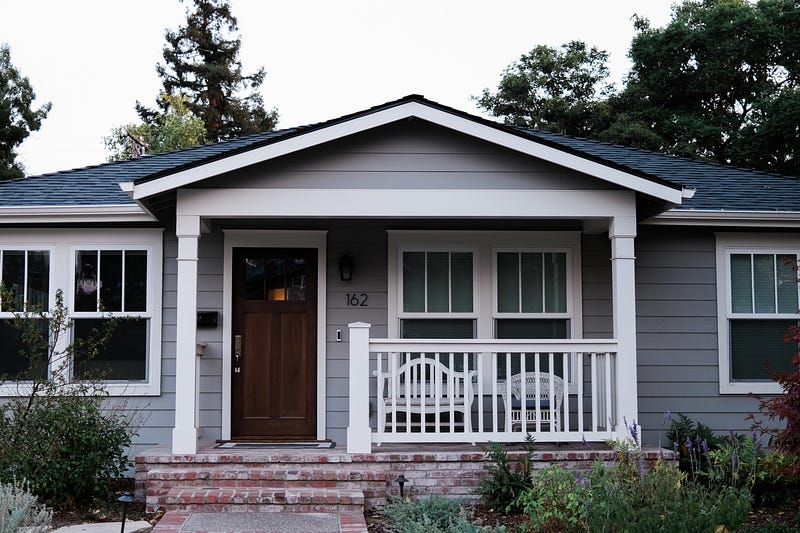
Reverse mortgages allow qualified homeowners to borrow money against the value of their homes. The loan is not due to be repaid until the borrower vacates the property or passes away, with interest compounded monthly.
Typically, reverse mortgages come in three forms:
- Single-purpose reverse mortgage — This is generally considered the most affordable reverse mortgage option. Note that it is often used only for specific, lender-approved properties.
- Home equity conversion mortgage — As there are no income or medical requirements, and it’s HUD-insured, this is often a popular choice. The funds can be used for any purpose, and several payment options are available.
- Proprietary reverse mortgage — This type of reverse mortgage is often only available for particularly high-value homes.
It’s good to understand that reverse mortgages often involve high fees, closing costs, and significant mortgage insurance premiums. How much of the borrower’s original mortgage has been paid is important.
For those worried that reverse mortgages may be a scam, it should be noted that things have changed a bit in recent years. Better regulations have made reverse mortgages a safer program, and there can be significant tax advantages in many cases.
Risks still exist, so it’s essential to carefully research the company offering a reverse mortgage and the terms they lay out.
Planning Ahead
No one really knows what the future has in store. The best course of action is to prepare as much as possible.
You increase your chances of a more secure future by considering the benefits of annuities, trusts, and reverse mortgages. The most important thing is to get advice from professionals with a solid reputation and a track record of customer satisfaction.
Then kick back and relax, confident in the future.
About John Teehan
John lives in Rhode Island with his wife, son, and dog. He specializes in tech, health, business, parenting, pop culture, and gaming. Visit wordsbyjohn.net for more info and rates. Twitter: @WordsByJohn2.
Do you like poetry, short fiction, and general oddities? Check out my new book, Life Among Psychopaths: an unexpected potpourri, now available on Amazon.


