
"Rethinking Cholesterol: Is It Really the Silent Killer?"
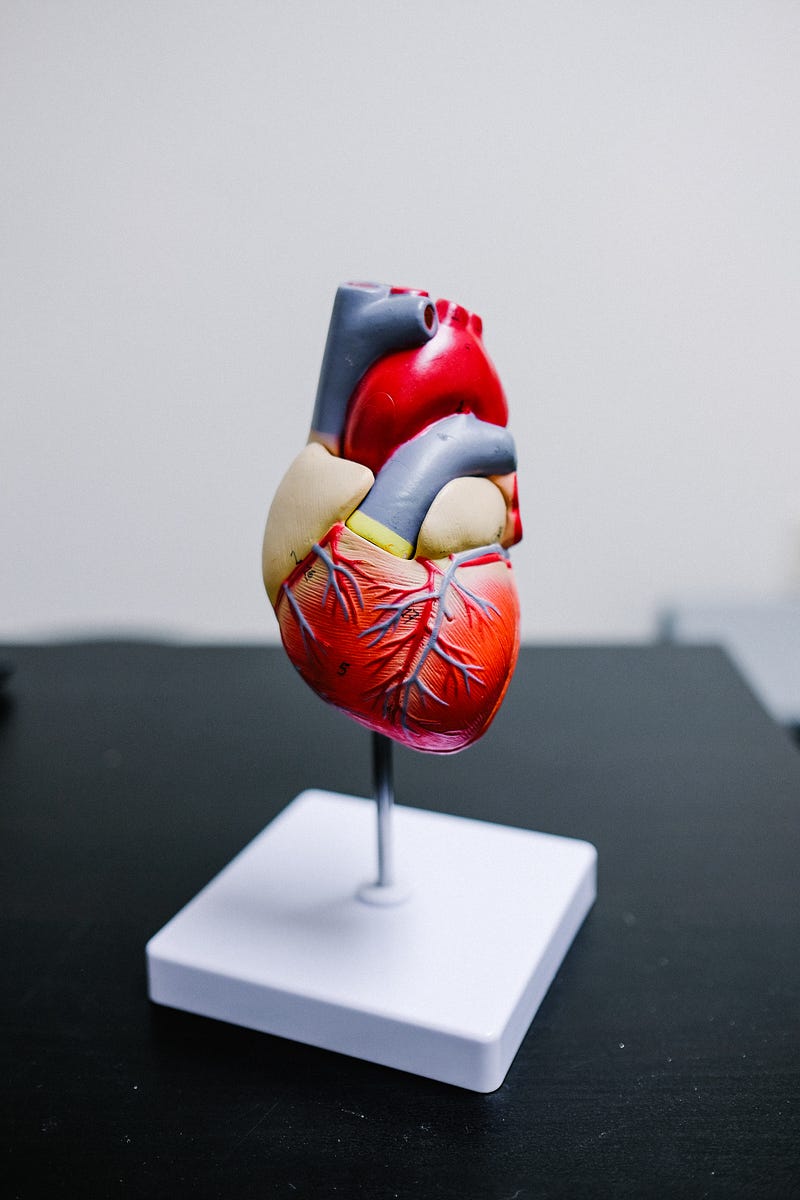
Cholesterol and heart disease are closely linked, with high levels of cholesterol recognized as a major risk factor for the development and progression of heart disease. Cholesterol, specifically low-density lipoprotein (LDL), can build up in the walls of the arteries, increasing the risk of a stroke or a heart attack. Maintaining healthy cholesterol levels through a balanced diet and regular exercise is therefore crucial for heart health. Some individuals may also require medication to manage their cholesterol levels.
The belief that high levels of LDL cholesterol cause heart disease is based on extensive scientific research and evidence. Numerous studies have shown a direct link between high cholesterol and heart disease. This is backed up by clinical observations that medications reducing LDL cholesterol can substantially decrease the risk of heart disease. However, it’s worth noting that although high cholesterol significantly increases the risk, it’s not the only factor contributing to heart disease. Other factors such as unhealthy diet, lack of physical activity, smoking, excess weight, high blood pressure, diabetes, and certain genetic factors can also contribute to the development of heart disease.
What is cholesterol?
Cholesterol is a waxy, fat-like substance that is found in all the cells in your body. It is produced by your liver but also comes into your body through the diet. Despite its reputation, cholesterol is necessary for the body to function properly.
Cholesterol serves several important functions in the body. These include:
- Composition of cell membrane: Cholesterol is essential for maintaining the structural integrity and fluidity of the cell membranes. It prevents fatty acid chains in the phospholipid bilayer from sticking together, maintaining the fluid nature of the cell membranes.
- Production of hormones: Cholesterol is used by the body to produce hormones. It is a precursor for the synthesis of steroid hormones, including cortisol, aldosterone, progesterone, estrogen, and testosterone.
- Production of vitamin D: Under the presence of sunlight, the body can convert cholesterol in the skin into Vitamin D, which is necessary for bone health, immunity and other bodily processes.
- Digestion and absorption of fats: Cholesterol is used to produce bile acids, which is stored in the gall-bladder. During digestion, bile acids are released into the intestine where they emulsify dietary fats, allowing these fats to be absorbed into the body.
- Brain and nerve function: Cholesterol makes up an essential component of the myelin sheath, a protective layer around nerve fibers that helps with the conduction of nerve signals.
While cholesterol is necessary for your body to function properly, however, too much cholesterol in your blood can lead to health problems. High levels of low-density lipoprotein (LDL), or “bad” cholesterol, can increase your risk of developing coronary artery disease. Conversely, high-density lipoprotein (HDL), or “good” cholesterol, helps remove cholesterol from your bloodstream, lowering your risk of heart disease. Therefore, managing your cholesterol levels is important for maintaining overall health.
Cholesterol guidelines are usually set by health organizations such as the American Heart Association (AHA) and the American College of Cardiology (ACC). These guidelines provide information on managing high blood cholesterol and reducing the risk of cardiovascular diseases.
According to the guidelines:
1. Total Cholesterol Level:
o Desirable: Less than 200 mg/dL.
o Borderline High: 200-239 mg/dL.
o High: 240 mg/dL and above.
2. Low-Density Lipoprotein (LDL) Cholesterol, often referred to as "bad" cholesterol:
o Optimal: Less than 100 mg/dL.
o Near Optimal: 100-129 mg/dL.
o Borderline High: 130-159 mg/dL.
o High: 160-189 mg/dL.
o Very High: 190 mg/dL and above.
3. High-Density Lipoprotein (HDL) Cholesterol, often referred to as "good" cholesterol:
o Poor: Less than 40 mg/dL for men, less than 50 mg/dL for women.
o Better: 50-59 mg/dL.
o Best: 60 mg/dL and above.
4. Triglycerides:
o Normal: Less than 150 mg/dL.
o Borderline High: 150-199 mg/dL.
o High: 200-499 mg/dL.
o Very High: 500 mg/dL or above.
The guidelines also recommend regular exercise, a healthy diet, and medication (when necessary) to manage cholesterol levels.
High total cholesterol, LDL, or triglycerides, or low HDL levels can increase the risk of cardiac diseases. However, it's important to consult a healthcare provider for personalized recommendations, as individual cardiovascular risk can depend on various factors, including age, gender, family history, smoking status, and presence of other conditions like hypertension, diabetes, or kidney disease.
The link between cholesterol and heart disease
The history of the belief that high cholesterol causes heart disease dates back to the early 20th century. It started with an observation made by Russian pathologist, Nikolai Anitschkow in 1913. In a series of experiments, he fed rabbits a diet high in cholesterol and discovered they developed atherosclerosis (a condition where fats, cholesterol, and other substances build up on artery walls). However, his findings did not gain ground since rabbits, being herbivores, had very different dietary patterns from humans.
The belief took a more definitive form in the mid-20th century with the Framingham Heart Study (FHS), which started in 1948. In this long-term, ongoing cardiovascular study on residents of the city of Framingham, scientists discovered that high levels of certain types of cholesterol in the blood were strongly correlated with an increased risk of coronary heart disease.
Much of this understanding was further carried forward by the work of Ancel Keys. His Seven Countries Study in the 1950s was a breakthrough where he showed a correlation between dietary fat, cholesterol levels, and heart disease. However, Keys' work was also highly controversial, as he was accused of cherry-picking data.
The "lipid hypothesis" or "diet-heart hypothesis," which proposes that high blood cholesterol, particularly low-density lipoprotein (LDL) cholesterol, increases heart disease risk, became widely accepted in the late 20th century. This was largely driven by studies showing that drugs that lower cholesterol, such as statins, can reduce heart attacks and strokes.
However, the theory that high cholesterol levels, particularly LDL, directly cause heart disease has been questioned by some in recent years. Critics suggest that it is not high cholesterol on its own that is harmful, but when it becomes oxidized and leads to inflammation. Others question the over-reliance on statins and argue that lifestyle changes such as diet and exercise should be prioritized.
Despite the debate, mainstream medical advice remains focused on the idea that maintaining optimal cholesterol levels is important for cardiovascular health. High cholesterol continues to be viewed as a modifiable risk factor and is regularly screened for and treated.
Firstly, Nikolai Anitschkow's research that showed high cholesterol diets led to atherosclerosis in rabbits was limited in its applicability to humans, as rabbits and humans have very different diets and metabolic processes. The interpretation and extrapolation of these findings to human health were somewhat too simplistic.
Ancel Keys' Seven Countries Study, while critical in shaping the understanding of the relationship between dietary fat, cholesterol levels, and heart disease, was criticized for cherry-picking data. His critics argue that he intentionally selected countries that supported his theory, ignoring data from countries that contradicted his hypothesis.
The lipid hypothesis or diet-heart hypothesis has faced controversy in recent years, challenged by the view that it’s not the high cholesterol itself that’s harmful, but when it becomes oxidized and leads to inflammation. This shifts the focus from cholesterol to the inflammatory processes in the body. This controversy questions the over-reliance on cholesterol-lowering drugs like statins instead of focusing more on lifestyle changes including diet and exercise, intermittent fasting and similar health strategies.
Questions have also been raised about the widespread use of statins, which are usually prescribed to lower cholesterol levels. Critics argue that over-reliance on these drugs can lead to side effects and neglects the potential benefits of lifestyle changes. Furthermore, it also raises questions about the pharmaceutical industry's influence on this commonly held belief about cholesterol and heart disease.
Alternative theories
Despite the widely accepted theory that high cholesterol levels lead to heart disease, several alternative theories challenge this association.
- Inflammation Theory: This theory suggests that inflammation in artery walls, not cholesterol, is the real cause of heart disease. The body sends cholesterol to repair the damage caused by inflammation, which then builds up, further triggering a response from the immune system.
- Insulin Resistance Theory: Some researchers believe that insulin resistance and metabolic syndrome are the main contributors to heart diseases rather than cholesterol. They argue that high-carb diets lead to high levels of insulin, which in turn lead to heart disease.
- Homocysteine Theory: This theory asserts that an amino acid in the blood, known as Homocysteine, damages the lining of arteries and is a precursor to heart disease, atherosclerosis, and cholesterol plaque formation.
- Oxidized LDL Theory: Another theory suggests that concentrations of small, dense LDL and oxidized LDL, not overall LDL or cholesterol, is the primary driver of atherosclerosis and heart disease.
- Infection Theory: Some studies propose that certain infections, such as those caused by bacteria Chlamydia pneumoniae, may trigger processes leading to atherosclerosis and coronary heart disease.
- Stress Theory: Some researchers argue that chronic stress causes an inflammatory response in the arteries and hand in hand with poor dietary choices can lead to heart disease.
Remember, health science is a continually evolving field. Even though these theories are challenging the cholesterol belief, further research is needed to fully understand the relations between these proposed theories and heart disease.
Studies that support these theories
- Inflammation Theory: Known as the Inflammation Theory of Disease, this theory proposes that chronic inflammation contributes to many chronic diseases like heart disease, diabetes, cancer, Alzheimer’s etc. Research by Libby et al (2002) demonstrates that inflammation plays a role in cardiovascular disease, while other studies have shown links between increased inflammation markers and the progression of diseases such as diabetes and Alzheimer’s.
- Insulin Resistance Theory: This theory outlines how the body’s ineffective use of insulin leads to type 2 diabetes. Research, including the landmark study by DeFronzo and Tripathy (2009) and others, have demonstrated that insulin resistance is a primary factor in the onset and progression of type 2 diabetes and this has been attributed to cardiovascular disease since most people with diabetes also tend to have heart disease.
- Homocysteine Theory: This theory posits that high levels of the amino acid homocysteine increase the risk of heart disease. Research by Wald et al (2002) and others presented clear correlation between homocysteine levels and cardiovascular risk.
- Oxidized LDL Theory: This theory suggests that the oxidation of low-density lipoprotein (LDL) cholesterol plays a crucial role in the development of atherosclerosis, a form of heart disease. Steinberg et al’s study (1989) established that LDL oxidation is a key step in atherosclerosis.
- Infection Theory: Certain infections are believed to be the source of chronic diseases. For instance, research has linked the H. Pylori bacteria to stomach ulcers and gastric cancer. Similarly, human papillomavirus (HPV) links to cervical cancer. Research by Peek and Blaser (2002), and Walboomers et al. (1999) supports this theory. The bottomline being that most of those with cancer also tend to have some form of heart diease and diatary problems.
limitations to these studies
- Inflammation Theory: While this theory suggests that inflammation is an underlying cause of many diseases, it does not address the root cause of the inflammation itself. It also does not explain why certain individuals with chronic inflammation do not develop certain diseases, implying other factors are involved.
- Insulin Resistance Theory: Critics argue that insulin resistance could be a symptom, rather than a cause, of type 2 diabetes. Moreover, there are cases where people with insulin resistance do not develop diabetes, and the theory does not account for individuals who develop type 2 diabetes without insulin resistance. Bottomline, you can have insulin resistance but not develop type 2 diabetes. If you are diabetic, you are also insulin resistant, diabetes does not go alone without it.
- Homocysteine Theory: While studies link high homocysteine levels to increased heart disease risk, clinical trials have not conclusively shown that lowering homocysteine levels reduces this risk. This also suggests that elevated homocysteine could be a marker for cardiovascular disease, rather than a cause.
- Oxidized LDL Theory: Critics of this theory point out that the oxidation of LDL cholesterol might be a result, not a cause, of heart disease. Moreover, it has not been definitively shown that the prevention or reversal of LDL oxidation can prevent or reverse atherosclerosis.
- Infection Theory: While bacterial and viral infections have been linked to specific diseases, this theory doesn’t account for why not everyone infected develops the same disease. This suggests that other factors, such as genetics or environment, and lifestyle also play a significant role. Furthermore, the causative relationship between chronic diseases and specific pathogens is often complex and hard to determine without ambiguity.
Conclusion
The article discusses five different theories on the root causes of chronic disease, underscoring the complexity of finding definitive explanations for these conditions. It points out the deficiencies in each theory, including the Insulin Resistance Theory and Oxidized LDL Theory, pertaining to diabetes and heart disease respectively, among others. The discussion reveals the multifaceted nature of such diseases, implying that various factors are potentially involved in their development.
The article underlines the necessity for readers to seek and digest diverse sources of information, alongside consulting with health professionals, to make well-informed decisions about managing cholesterol levels and overall health. This approach acknowledges the multifactorial nature of chronic diseases, and the ongoing debates within scientific community about their root causes.
Takeaway: While the link between cholesterol and heart disease is still a topic of debate, it's important to stay informed and make decisions about your health based on a variety of sources. Don't be afraid to ask questions and seek out alternative viewpoints.