
Unraveling the Mystery: Can a Low Carb Diet Be Harmful to Your Liver’s Well-Being?"
A low carb diet coupled with higher protein and fat will not harm your liver. Infact it is even good to your health. This is because a low carb diet is great for lowering your insulin levels and your satiety, your body uses ketones from fats instead of carbohydrates. The reverse of low carb is high carb diet, which promotes liver damage enhancing fat formation. You are about to hear about that in a moment.

Can a low carb-high protein and fat damage the liver? That question is now extended because protein and fat are higher than carbohydrates in a low carb diet. When we talk about proteins being high, it doesn't have to be too high. Most people get confused by this topic of low carb and high carb, but what does recent scientific research reveal? You are about to find out for yourself whether a low carb diet can damage the liver or not.
Remember, you can’t avoid death, but you may try to avoid illnesses by eating a low-carb diet. A low carb diet is critical for a great deal of benefits. Before you know why being low carb is beneficial, you need to know how a low carb diet affects insulin, what insulin is, what role it plays in the body and why it can be dangerous in a high carb diet.
Follow along as you hear how insulin can be affected by both a low carb high protein diet and a high carb diet. Pretty much you shall find out how insulin can be affected by the three macros namely, carbohydrates, protein and fat. You will decide for yourself concerning which is better between a low carb diet and high carb diet.
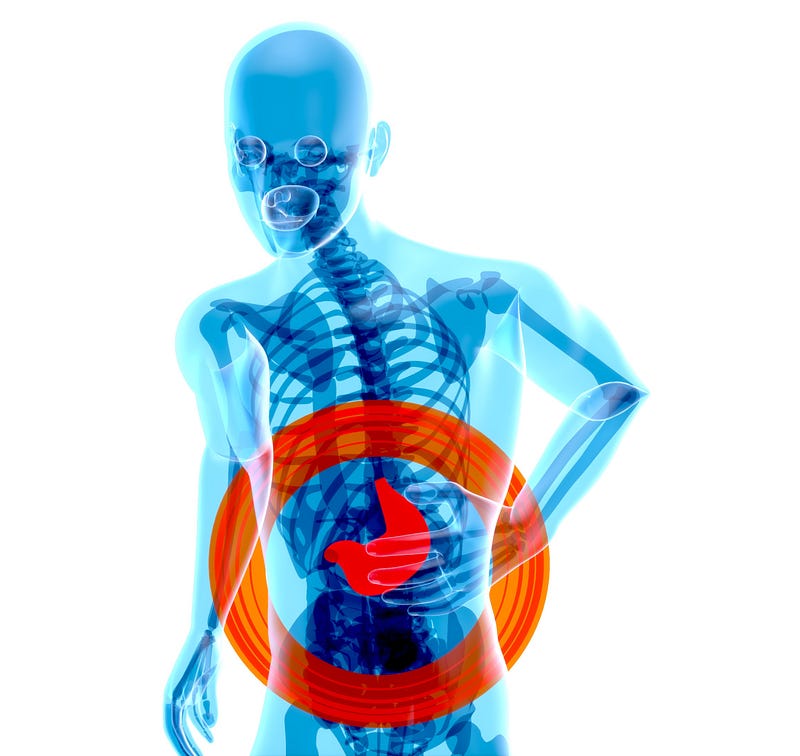
Insulin is a hormone generated by the pancreas that is released into the circulation and causes high glucose levels to decrease after eating. Insulin is a nutrient sensor and so, it is essential for metabolism, but it can be adversely affected by foods that increase it. Is increasing insulin in your body bad? not really, it is only raised to make sure there is homeostasis especially of glucose because too much of glucose(hyperglycemia) in the bloodstream is fatal if it is prolonged. is it at this point that fat liver disease takes place? no. Follow along as you find out how same foods are crucial as causative agents of non alcoholic fat liver disease.
What foods cause insulin spikes?
Carbohydrates and protein both raise insulin levels, but carbohydrate-rich foods raise insulin levels more greater. Some carbohydrates, on the other hand, have a lower glycemic index and hence do not increase insulin as much. Fats cause little to no nsulin spikes, Fat does not travel to the liver or muscle after digestion; instead, it travels directly to the adipose tissue (fat cells) via the circulation and lymphatic system.
Even if protein raises insulin after you eat a meal, It doesn't increase the glucose level and thus no hyperglycemia. protein tends to make you feel full for a longer periods of time. So even if you have a high protein diet with low carbs, the fact that you feel full puts you at an advantage of not eating frequently. According to studies, protein and fat may actually increase the fasting window due to the satiety hormones that they stimulate and keep you from feeling hungry. This makes it easier to do time restricted feeding which allows to lower insulin levels.

Carbohydrates however, increases your appetite especially those that are refined or overprocessed. Carbs enhance the production of a special hormone called ghrelin. Ghrelin encourages you to want to eat more, this is called cravings. Carbs or starchy foods tend to increase release of more ghrelin a few hours after eating. Most refined foods contain a lot of sugars, sugars are carbs. There are however, so many categories of carbohydrates, some are simple like glucose, where as others are complex.
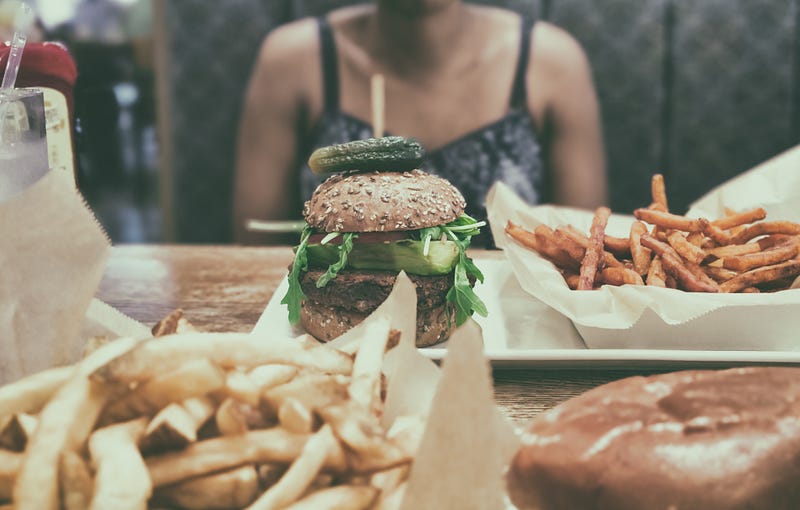
One fact to take note of is that, not all carbs have a big impact on insulin. Vegetables and some fruits for example do not necessarily increase your insulin. Apart from vegetables and some fruits, there are still some carbs which may not increase insulin too much if they are eaten in their natural state.
Why is insulin elevation a problem?
Insulin elevation or spike is not really a problem; the issue arises when this occurs over a lengthy period of time. Too much of anything is bad, so if insulin levels in the blood spike for an extended period of time, you will become insulin resistant, your cells will become insulin insensitive, and you will thus become hyperinsulinemic.
This means that you will have an excessive quantity of insulin in your system as your body attempts to adjust for the elevated glucose levels caused by carbohydrate consumption. So a high carbohydrate diet( especially overprocessed ones) is bad for the liver because it causes insulin resistance in the hepatocytes (liver cells) and fat liver disease.
How does insulin impact the liver?
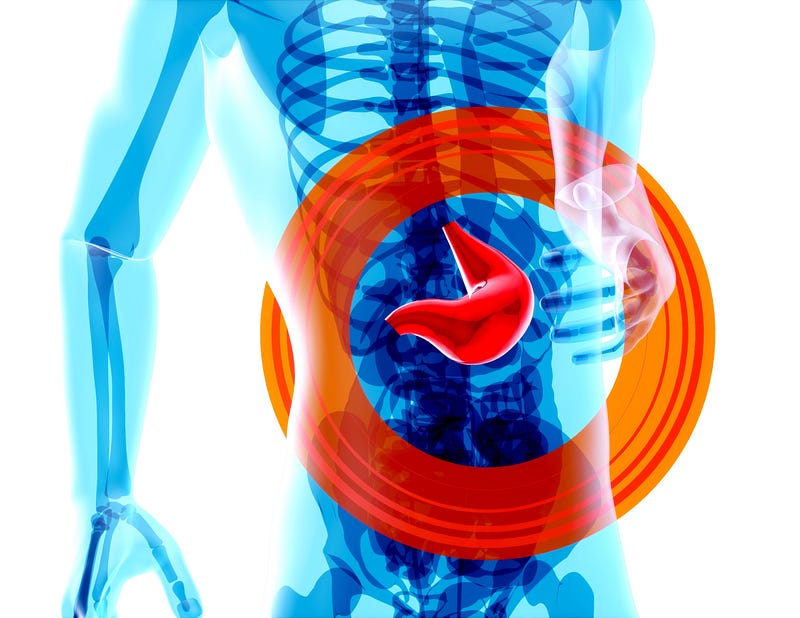
Insulin is a factor in the development of fat in the liver, hence its elevation can easily lead to fat liver disease. This has been observed even in children who consume a lot of carbs ( sugary foods). We have seen adolescents diagnosed with type 2 diabetes. This is heartbreaking because we used to see diabetes in the elderly, but the switch has been switched. Too much insulin converts you into a fat-building powerhouse, causing you to gain a lot of weight.
How can a diet heavy in carbohydrates harm the liver?
In general, carbohydrates are not an issue because they also offer you additional advantages like energy, fiber, minerals, and vitamins. However, they constitute a health issue if consumed in excess, or if they are of the high-carb variety which have a tendency to cause excessive blood glucose spikes.
According to the biochemistry of carbohydrates, when they are digested, they enter the circulation and go to all of the body’s cells. When they enter the cells, they sort of go through two pathways. The first is glycolysis, in which a glucose molecule is broken down to produce energy ( ATP). Using a different mechanism, glucose is transformed into glycogen. This is how glucose is stored by the body, in this example by the cells of the liver(hepatocytes). There is a third pathway available, though. This process transforms glucose into fat.
Because there is just too much incoming glucose and too much insulin, the third pathway — which is not supposed to happen — does. As a result, your liver begins to accumulate fat, and you will eventually be diagnosed with non-alcoholic fatty liver disease. This may initiate cholesterol production by the liver and released into the blood. Watch out for cardiovascular atheroma or atherosclerosis.
What will happen to you if you keep eating a lot of carbs?
A non-alcoholic fatty liver disease, type 2 diabetes, hypertension, stroke, obesity, cancer, and a host of other conditions are possible outcomes for you.
Which diet, a high-carb or a low-carb one, is more harmful to the liver? Are low-carb diets harmful? Is there research to support this?
Can going low carb help reverse fatty liver?
A group of Swedish scientists has recently published the latest study in the peer-reviewed journal Cell Metabolism. Obese patients with non-alcoholic fatty liver disease (NAFLD) underwent a low-carbohydrate diet without calorie restriction.
Jan Boren of the University of Gotheburg, the study’s lead author, discovered some amazing results of carbohydrate restriction on liver fat:
"We observed rapid and dramatic reductions of liver fat and other cardiometabolic risk factors and revealed hitherto unknown underlying molecular mechanisms."
Why not adopt a low-carb diet and stop eating often to protect your priceless life from diseases such as fat liver disease and the others that are associated with a high-carb diet?
A low carb diet can improve your insulin sensetivity together with intermittent fasting. To learn more about insulin resistance and how to combat it, Click Here.
If you want the best diet there ever is to improve your health, check out the article entitled, 'what is the best weight loss diet’ here
If you would like to start a low carb diet, find out here how a ketogenic diet is done from proffessionals
Disclaimer:
Although thousands of people have found success with these strategies, they are not a replacement for any therapy or for obesity or other chronic illnesses associated with being overweight. You should be aware that they may not be suitable for everyone. If you click a link while reading and purchase one of the items, I may receive a commission. However, the major purpose is to raise awareness of the benefits of better health and weight loss for a variety of other reasons. Remember to take the time to read any disclaimers or warnings on any linked websites.