
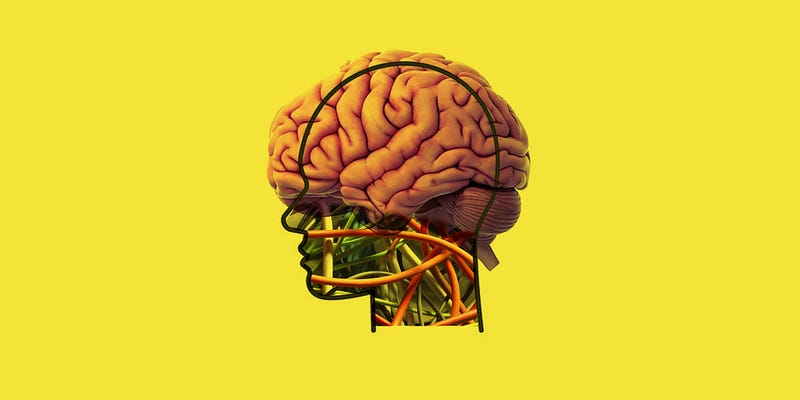
Research Suggests MDMA Could Cure PTSD and Anxiety: Here’s What We Know
Why people should start associating the drug with something more positive
Today, the research on psychedelics is gaining more and more traction. Not only because the consumption rates have risen up, but also because numerous studies, so far, suggest that there is a close relationship between such substances and mental health. LSD, DMT, and psilocybin are just some of the hallucinogens that have been classified as being probable of treating disorders such as depression and anxiety.
MDMA, or more commonly referred to as ecstasy (although MDMA is an active ingredient in it), on the other hand, could also fall in the group of psychoactive drugs that could aid you in the fight against mental health disorders.
MDMA is not the typical psychedelic, as it does not alter the perception of reality as much as other substances, like LSD and Magic Mushrooms. However, it still may produce similar effects, although its consumption most commonly takes place at parties, whereas the “classic” psychedelics are not a commonality among such events.
Recently, some researchers have been looking into the different aspects of life MDMA could help in, other than just giving ravers “the kick” and a good time — particular attention has been given on treating PTSD and anxiety:
How MDMA Might Help People With PTSD And Anxiety
MDMA, usually, would not be your first choice of treatment when it comes to disorders, such as post-traumatic stress disorder (PTSD) or anxiety. However, leaving aside the stigmas associated with the “party pill” and its effects, the psychoactive drug could actually be of benefit for people with mental health issues.
Treating PTSD
Several studies have been conducted so far by MAPS (Multidisciplinary Association for Psychedelic Studies) and have looked into MDMA’s properties in aiding individuals in their therapies associated with PTSD. The trials included patients who were given placebo-controlled doses, while being walked through the session by psychiatrists. The results, researchers argued, have been “overwhelmingly positive.”
In the USA, MDMA is classified as a Schedule I drug, meaning that its potential for abuse is high. This basically means it’s currently illegal to consume it. Nevertheless, a possible breakthrough in the future could lift these restrictions.
“We’ve been working for 28 years and have another seven or so to go before MDMA is available as a prescription medicine.”
Today, MAPS is developing the drug into a first-in-class innovator for treating chronic and delayed-onset PTSD. The research is in Phase III in Europe and the United States. Phase II results suggested that MDMA led to a significant positive impact on patients with the disorder and its accompanying symptoms. Hence, the Food & Drug Association (FDA) in the USA, in 2017, granted MAPS a Breakthrough Therapy Designation in the field.
One of the researchers at MAPS argued the following:
“For people who are so stuck in the fear reaction they have to their trauma, psychotherapy alone can only take them so far. The addition of MDMA makes much more progress. When combined with supportive psychotherapy, people can make great progress.”
There have also been other similar points of view recently. Researchers, patients, and even some therapists have said that the “classic” therapeutic sessions might not always lead to the ultimate goal — to cure the mental illness. Thus, some argue, additional measures might indeed be needed, such as aiding the therapy with psychedelics or psychoactives.
According to Clinical Trials Arena, recent data gathered by 6 research trials has indicated that, in the long-run, the usage of MDMA for therapeutic purposes has a continued beneficial outcome for patients after their first year of such therapy. GlobalData, a global analytics and data provider company, forecasts that, by 2021, MDMA-assisted-therapy will enter the USA market, and by 2022, the European one.
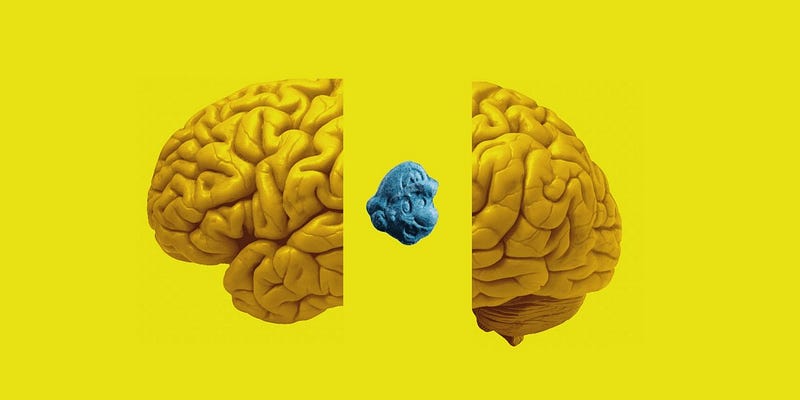
Treating Moderate to Severe Anxiety
Along with its possible benefits for people with PTSD, MDMA could also possibly aid the treatment of anxiety. Way back in 2009, a study conducted by P. Johansen and T. Krebs, suggested that, after a trial that included a few doses of +/- 3,4-MDMA, combined with psychotherapy for treatment-resistant anxiety illnesses:
- MDMA increases oxycotin levels, which may strengthen the therapeutic alliance;
- MDMA increases ventromedial prefrontal activity and decreases amygdala activity, which may improve emotional regulation and decrease avoidance;
- MDMA increases norepinephrine release and circulating cortisol levels, which may facilitate emotional engagement and enhance the extinction of learned fear associations.
All that, in basic terms, means that the psychoactive substance may provide an additional aid to therapeutic sessions, by providing “a balance of activating emotions while feeling safe and in control.” Although the study dates back from 2009, its implications and findings obviously could manifest themselves to today, meaning that all this could still may be highly relevant.
Suzannah Weiss, a contributor for Vice, wrote an article in 2018 about her experience with MDMA when related to her anxiety disorder. She had been suffering from anxiety from the age of 17, when she first was prescribed with Prozac and Zoloft, which had no effect at all. That’s when she found out about MDMA.
“Psychedelics put me in touch with a more compassionate, open-hearted side of myself that I’d muted over the years.”
James Giardano, a professor of neurology and biochemistry at Georgetown University Medical Center, argued that such substances may help individuals that suffer from anxiety: “by making unconscious thoughts and feelings conscious we can see what thought patterns are standing in our way.” Here he not only refers to MDMA, but also to other psychedelics, such as ayahuasca.
MAPS had also posted a report in 2014 that concerned MDMA-assisted treatment implications for autistic adults suffering from social anxiety. These were just some of the findings:
“We know from other research findings that MDMA can reduce activity in the portion of the brain that communicates the fear that can lead to social anxiety. Other studies also found MDMA can increase oxytocin, a neuropeptide associated with bonding and social affiliation in humans […]”
What The Future Holds For MDMA-Assisted Treatments
Having in consideration the wide public opinion on psychedelics and psychoactives, I find legit the concerns and reservations people have towards them. Drugs such as MDMA, LSD, DMT, and so on have been around for decades and their usage is often, if not always, associated with something rather negative.
However, as our society progresses, people slowly open their eyes to new opportunities that lead to innovation and ultimately growth. Today, the psychiatric industry is one of those fields that have come under the spotlight, as more and more people are being found of struggling with mental health disorders, such as PTSD, anxiety, and depression.
Our lives have become littered with unnecessary mental clutter, which, if not cleaned, could ultimately lead to mental health issues. Anxiety and depression have become a real thing. Today, some of the “classic” therapeutic practices lose traction and give way to the newer ones. Well, clearly, one of them is the so-called “psychedelic-assisted psychotherapy.”
Although the data gathered from years of research clearly indicates that psychedelics and hallucinogens could be the future of tackling mental health issues, further investigation and many, many more trials may be needed to convince the wide public that such innovative treatments actually help patients.
Thank you for reading!
If you’re further interested in mental health & psychedelics, you can follow me on Medium:
Also, if you’re interested in the topics mentioned above, you can check two of my previous articles on LSD-assisted therapy and whether being high makes you more creative and productive:


