avatarLucy Dan 蛋小姐 (she/her/她)

Summary

An editor reflects on the pain of rejection for writers and emphasizes that rejections are typically not personal, but based on fit with the publication's guidelines and voice.

Abstract

The article, written by an editor, acknowledges the heartache that comes with having one's work rejected. The author emphasizes with writers, as they too feel the sting of rejection. The piece underscores that rejections are usually due to a mismatch with the publication's guidelines or style rather than a reflection on the quality of the work. The editor encourages writers to carefully read submission guidelines and reminds them that hostile reactions to rejections are counterproductive. The reflection is inspired by another piece on how to avoid upsetting editors, suggesting that understanding the editorial process can help writers navigate the world of publishing more effectively.

Opinions

  • Rejection in publishing is painful for writers and editors alike.
  • Editors are mindful of the impact of their decisions and the potential for unconscious biases.
  • Rejections are often due to a piece not aligning with the publication's guidelines or not matching its genre or voice.
  • Hostile responses to rejections are inappropriate and do not improve a piece's chances of acceptance.
  • Understanding and following submission guidelines is crucial for writers.
  • The editorial process and decisions are not personal attacks on the writer's ability or work.

Rejection Hurts, But It Isn’t Personal

A shortform reflection by an editor
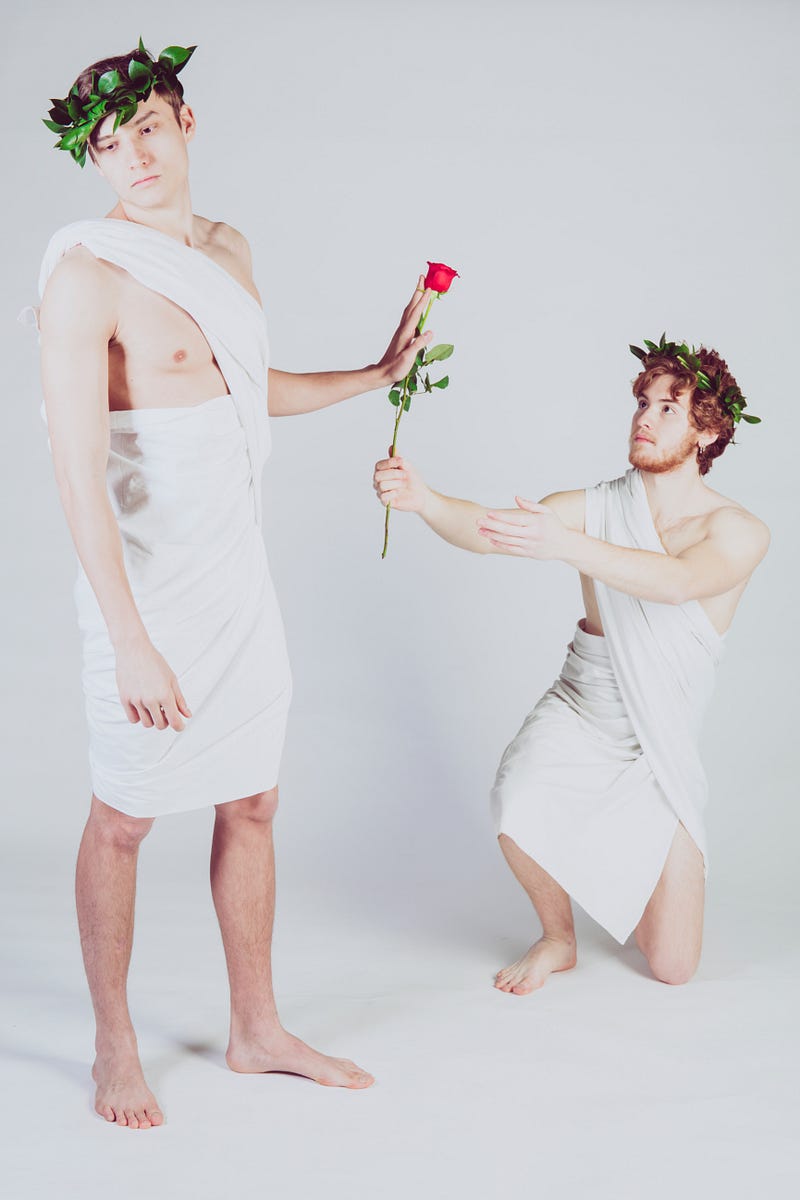
Photo by Alessandro De Bellis on Unsplash || IM YELLING BECAUSE IM GRATEFUL FOR THE PHOTOGRAPHER WHO THOUGHT UP THIS IMAGE BECAUSE IT EVOKES THE EXACT EMOTION I NEED FOR THE PIECE 🙏

Having something you poured your heart over rejected by an editor is heartbreaking — as a writer, I still wince every time.

Knowing this feeling gives me pause on a) whether I reject a piece, b) reflecting on whether unconscious biases alter how I perceive whether a piece is a fit or not, and c) how I word edits or rejections.

At the end of the day, most rejections happen when the piece doesn’t quite fit the guidelines (please read them!), or doesn’t fit the genre or voice of the publication.

It’s not personal, or specifically “hating” or excluding your work. Hurling threats, harassment, or condescending responses at an editor doesn’t make your work suddenly a better fit. It hurts both you and the editor.

Thank you to Michael Burg, MD for inspiring this reflection:

Shortform
Rejection
Writing
Editor
Recommended from ReadMedium