avatarGill McCulloch

Free AI web copilot to create summaries, insights and extended knowledge, download it at here

3332

Abstract

ds of European refugees in the aftermath of World War II. It was adopted in July 1951 and amended in 1967.</p><p id="9f10">The Convention outlines minimum standards for the treatment of refugees without prejudice. These include access to legal assistance and the courts, education, work and help with documentation, including passports.</p><p id="4116">The United Nations Refugee Convention does not go into much detail about the civil obligations of refugees. A section in the document (Article 2, General Obligations) states:</p><blockquote id="8104"><p>“Every refugee has duties to the country in which he finds himself, which require in particular that he conform to its laws and regulations, as well as to measures taken for the maintenance of public order.”</p></blockquote><p id="24ff">That’s all it says about what, if anything, is expected of a refugee.</p><p id="7b57">If a document created and signed by delegates from 26 countries — still considered valid today as the accepted standard of how refugees should be treated, gives only these general guidelines, who are we to lay out more specific requests of the refugees in our communities?</p><h1 id="b449">Worldwide, the number of refugees is increasing</h1><p id="c0e4">I’m writing this a few days after Russian President Vladimir Putin’s February 2022 unprovoked invasion of Ukraine. Currently, thousands of refugees are fleeing from Ukraine in search of safer homes, and it’s estimated that soon these numbers will be in the millions.</p><p id="adc7">According to UNHCR figures from 2021, there are approximately 84 million refugees in the world. Climate change and other forms of global instability will likely result in increased numbers of displaced people. We need to figure out how best to manage these situations, as well as our attitudes toward refugees.</p><p id="4e35"><a href="https://readmedium.com/dont-assume-refugees-are-happy-just-because-your-country-agreed-to-take-them-in-dbe7493504a">In an earlier article</a>, I talked about my experience of meeting a group of Syrian refugee children and how humbling it was to discover my expectations about how they felt about living in Canada were utterly wrong. Though grateful to Canada for taking them in, they are struggling to adjust. They miss their family members and friends in Syria and want to go home.</p><h1 id="7016">Unrealistic expectations of refugees</h1><p id="4773">Most refugees are good people, but enduring extreme life circumstances takes a toll. People may become broken mentally and physically and might not behave in a way that seems appropriate to others.</p><p id="aebf">Some refugees may be unable to meet the community’s expectations, disappointing their neighbours with their apparent lack of gratitude and level of contribution. We can try putting ourselves in a refugee’s shoes to gain understanding, but can never fully know the pain of their journey. Feelings of guilt or inadequacy are the last things they need.</p><p id="08a4"><b>Refugees don’t owe us anything — we need to stop making them feel like they do.</b></p><p id="51a0">What if, instead of expecting refugees to bow down with gratitude and spend the rest of their lives earning the privilege of living in our wealthy country, we accept and befriend them and help them live a good life?</p><p id="1421">Our attitud

Options

e towards refugees says something about our attitude towards ourselves. Many of us put high expectations on ourselves to get qualifications, high-earning jobs, and own houses, cars and other material possessions. What if we could realize that we’re worthy and good enough as we are?</p><p id="1eaa">If we change our attitudes toward ourselves, we might change our attitude toward refugees.</p><h2 id="4727">Sources:</h2><ol><li><a href="https://books.google.ca/books?id=a__2lMjXRn8C&amp;pg=PA98&amp;lpg=PA98&amp;dq=%E2%80%9CEvery+refugee+has+duties+to+the+country+in+which+he+finds+himself,+which+require+in+particular+that+he+conform+to+its+laws+and+regulations,+as+well+as+to+measures+taken+for+the+maintenance+of+public+order.%E2%80%9D&amp;source=bl&amp;ots=ns7T2qOZcJ&amp;sig=ACfU3U2ZCpzKU2V94_pO2jCNBZUjd4UySQ&amp;hl=en&amp;sa=X&amp;ved=2ahUKEwjsgZ-Nxpf2AhVALTQIHV41DAQQ6AF6BAgFEAM#v=onepage&amp;q=%E2%80%9CEvery%20refugee%20has%20duties%20to%20the%20country%20in%20which%20he%20finds%20himself%2C%20which%20require%20in%20particular%20that%20he%20conform%20to%20its%20laws%20and%20regulations%2C%20as%20well%20as%20to%20measures%20taken%20for%20the%20maintenance%20of%20public%20order.%E2%80%9D&amp;f=false">The Rights of Refugees Under International Law</a> by James. C. Hathaway</li><li><a href="https://en.wikipedia.org/wiki/Nativism_(politics)">Wikipedia — Nativism</a></li><li><a href="https://www.unhcr.org/">United Nations High Commissioner for Refugees (UNHCR</a>)</li><li>IOM (International Organization for Migration) <a href="https://www.un.org/sites/un2.un.org/files/wmr_2020.pdf">World Migration Report 2020</a></li></ol><figure id="4ca7"><img src="https://cdn-images-1.readmedium.com/v2/resize:fit:800/0*dpHk6g_wITX9RPyK.png"><figcaption></figcaption></figure><p id="6d4e">Thanks for reading! If you’d like to get an email when I publish, please<a href="https://gill-mcculloch.medium.com/subscribe"> subscribe here.</a> You can find a full list of my stories <a href="https://readmedium.com/gill-mcculloch-story-index-a4d6bdad2219">here.</a></p><div id="e8dc" class="link-block"> <a href="https://readmedium.com/dont-assume-refugees-are-happy-just-because-your-country-agreed-to-take-them-in-dbe7493504a"> <div> <div> <h2>Don’t Assume Refugees Are Happy Just Because Your Country Agreed to Take Them In</h2> <div><h3>If you want to know how they feel, take time to speak with them</h3></div> <div><p>medium.com</p></div> </div> <div> <div style="background-image: url(https://miro.readmedium.com/v2/resize:fit:320/1*iyOXp_stsLD44nPRuECtQg.jpeg)"></div> </div> </div> </a> </div><div id="569b" class="link-block"> <a href="https://readmedium.com/gill-mcculloch-story-index-a4d6bdad2219"> <div> <div> <h2>Gill McCulloch — Story Index</h2> <div><h3>undefined</h3></div> <div><p>undefined</p></div> </div> <div> <div style="background-image: url(https://miro.readmedium.com/v2/resize:fit:320/1*-gaHET701jNyHJhsbOORew.jpeg)"></div> </div> </div> </a> </div></article></body>

REFUGEES

Refugees May Feel Obliged to Pay Back Their Host Country

But do they owe gratitude or anything at all?
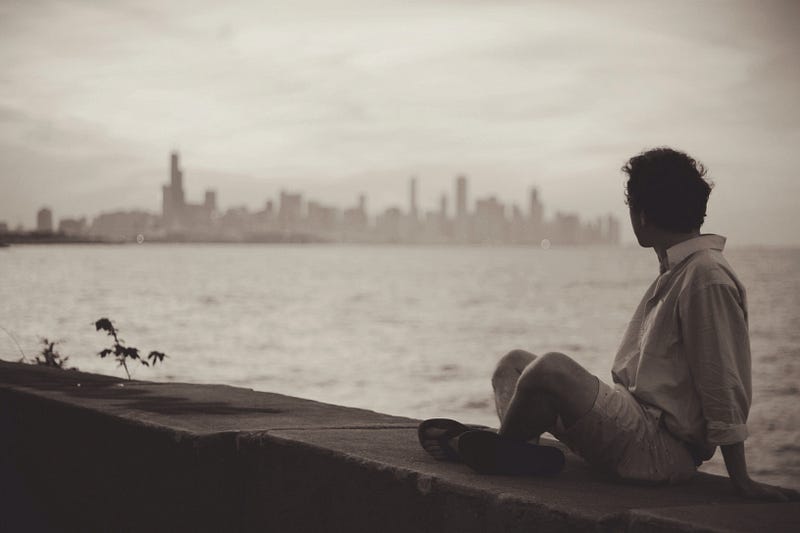
Photo by Caleb George on Unsplash

After having their basic needs met, refugees may feel an obligation to give back to their host community or at least express gratitude for their new circumstances. In spotlighting refugee success stories, are we putting unnecessary pressure on them to contribute?

A refugee is a person who has fled their home because it’s no longer safe to remain there. Refugees often arrive in host countries after dangerous journeys full of hardship and loss. Their lives are challenging and complicated.

Before resettlement, a refugee may have suffered abuse, imprisonment, and loss of family members, jobs, homes and possessions. Many refugees are severely traumatized after enduring horrors we can only imagine.

Finding safe, affordable housing is a significant challenge, as is navigating the mountains of paperwork needed to access necessary services. Many refugees have to deal with enormous mental and physical health challenges before even thinking about finding work, taking skills-based training or language classes in their host country.

Advocate for refugees wisely

When making a case for refugee resettlement, we may discuss how they create diversity in our communities and bring new ideas, culture, food and arts. By doing this, we could inadvertently put pressure on newcomers to perform, achieve and make contributions that are beyond their means.

News outlets and social media show pictures of happy refugees, highlighting what good citizens they are and listing the many ways they enrich communities. The problem is that may imply these contributions, whatever they may be, are the price refugees are expected to pay to enjoy the same rights as locals — in other words, suggesting that letting in refugees has a good return on investment.

But holding refugees to high standards of achievement puts enormous pressure on those unable, for whatever reason, to do more than go through the motions of everyday life.

Some refugees are able to enjoy the opportunities and privileges of education and training, find gainful employment and contribute to their communities. Others are not. Refugees should not have to justify their place in society. Nobody should be expected to live other than the most ordinary life to be considered worthy of a ticket to a safe place in a community.

Do refugees owe their host country anything?

The 1951 Convention relating to the Status of Refugees (commonly known as the Refugee Convention) is the primary international treaty concerning refugee protection. This document was initially drafted to meet the needs of European refugees in the aftermath of World War II. It was adopted in July 1951 and amended in 1967.

The Convention outlines minimum standards for the treatment of refugees without prejudice. These include access to legal assistance and the courts, education, work and help with documentation, including passports.

The United Nations Refugee Convention does not go into much detail about the civil obligations of refugees. A section in the document (Article 2, General Obligations) states:

“Every refugee has duties to the country in which he finds himself, which require in particular that he conform to its laws and regulations, as well as to measures taken for the maintenance of public order.”

That’s all it says about what, if anything, is expected of a refugee.

If a document created and signed by delegates from 26 countries — still considered valid today as the accepted standard of how refugees should be treated, gives only these general guidelines, who are we to lay out more specific requests of the refugees in our communities?

Worldwide, the number of refugees is increasing

I’m writing this a few days after Russian President Vladimir Putin’s February 2022 unprovoked invasion of Ukraine. Currently, thousands of refugees are fleeing from Ukraine in search of safer homes, and it’s estimated that soon these numbers will be in the millions.

According to UNHCR figures from 2021, there are approximately 84 million refugees in the world. Climate change and other forms of global instability will likely result in increased numbers of displaced people. We need to figure out how best to manage these situations, as well as our attitudes toward refugees.

In an earlier article, I talked about my experience of meeting a group of Syrian refugee children and how humbling it was to discover my expectations about how they felt about living in Canada were utterly wrong. Though grateful to Canada for taking them in, they are struggling to adjust. They miss their family members and friends in Syria and want to go home.

Unrealistic expectations of refugees

Most refugees are good people, but enduring extreme life circumstances takes a toll. People may become broken mentally and physically and might not behave in a way that seems appropriate to others.

Some refugees may be unable to meet the community’s expectations, disappointing their neighbours with their apparent lack of gratitude and level of contribution. We can try putting ourselves in a refugee’s shoes to gain understanding, but can never fully know the pain of their journey. Feelings of guilt or inadequacy are the last things they need.

Refugees don’t owe us anything — we need to stop making them feel like they do.

What if, instead of expecting refugees to bow down with gratitude and spend the rest of their lives earning the privilege of living in our wealthy country, we accept and befriend them and help them live a good life?

Our attitude towards refugees says something about our attitude towards ourselves. Many of us put high expectations on ourselves to get qualifications, high-earning jobs, and own houses, cars and other material possessions. What if we could realize that we’re worthy and good enough as we are?

If we change our attitudes toward ourselves, we might change our attitude toward refugees.

Sources:

  1. The Rights of Refugees Under International Law by James. C. Hathaway
  2. Wikipedia — Nativism
  3. United Nations High Commissioner for Refugees (UNHCR)
  4. IOM (International Organization for Migration) World Migration Report 2020

Thanks for reading! If you’d like to get an email when I publish, please subscribe here. You can find a full list of my stories here.

Refugees
Life
Immigration
Equality
Culture
Recommended from ReadMedium