
Reflections on the National Day for Truth and Reconciliation
Lesson: Religious institutions should not be trusted blindly
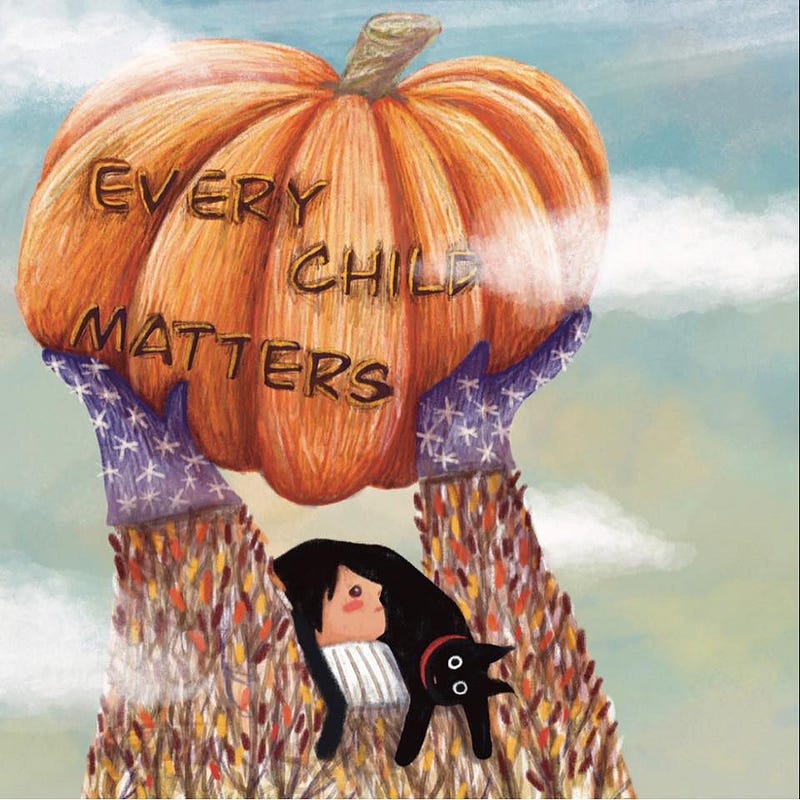
(Trigger warning: sexual abuse, murder of minors)
September 30th is the National Day for Truth and Reconciliation in Canada. The following quote is how the Canadian government describes what this day is about:
The day honours the children who never returned home and Survivors of residential schools, as well as their families and communities. Public commemoration of the tragic and painful history and ongoing impacts of residential schools is a vital component of the reconciliation process.
What were these residential schools?
The Canadian Encyclopedia explains what residential schools in Canada were:
Residential schools were created by Christian churches and the Canadian government as an attempt to both educate and convert Indigenous youth and to assimilate them into Canadian society. However, the schools disrupted lives and communities, causing long-term problems among Indigenous peoples … In total, an estimated 150,000 First Nation, Inuit, and Métis children attended residential schools.
While the government was also to be blamed for the tragedies that happened in residential schools because of oversight, the main culprit was undoubtedly the Christian Church. Catholic nuns had been operating residential schools since the 1600s. They only received federal recognition and funding in the late 19th century. The government’s underlying objective was to decrease Indigenous dependence on public funds, but it seems the Church had other agendas…
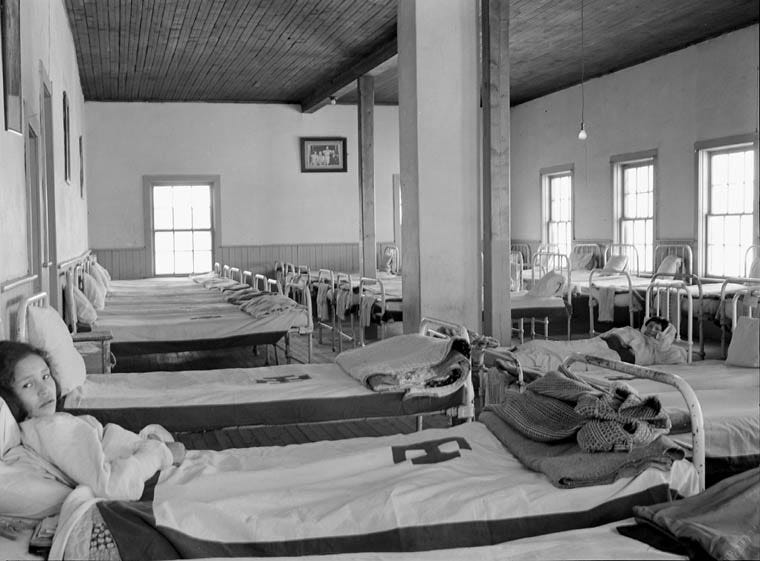
Roman Catholic Church was not the only religious institution running residential schools. They ran 60% of the schools, while Anglican Church ran 25%, and United and Presbyterian Churches ran the rest.
What happened to the children living in residential schools?
As one might expect, indigenous children, being forcibly separated from their parents, were not treated well in those church-operated institutions. They were indoctrinated, humiliated, and stripped off their “heathen” culture and identity. This was tragic but understandable in the colonial period. The missionaries and nuns might have been misguided. They could have genuinely believed that it’s all for the best for those First Nations children … IF it ended there. But it did not.
Tristin Hopper in National Post reports:
Virtually from the outset, a shockingly large proportion of the 150,000 Indigenous children sent to residential schools were subjected to rape and molestation from principals, teachers, dormitory supervisors and even maintenance workers and janitors. At some schools, upwards of 70 per cent of students faced some form of sexual abuse.
A survivor comments that it was “a pedophile playground”, and “everybody got their turn.” One of this survivor’s roommates got taken away in one night and never returned. The bunk bed was empty in the morning, and a few days later another boy occupied that bed.
Where did the children who were taken away in the dark night end up? Most likely underneath the unmarked graves. Estimates of school-related deaths range from 3,200 to over 6,000.
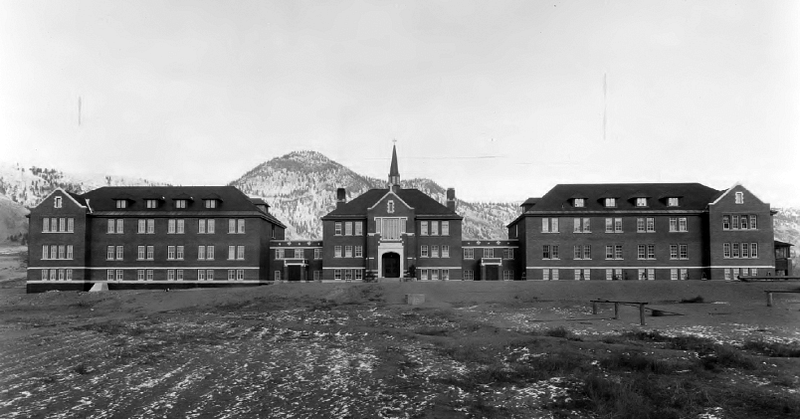
Most of the perpetrators were never brought to justice.
There are a lot more horror stories than presented in this article. Readers can just Google it.
My reflections on this Day
What happened was pure evil. Period. The extent of these crimes was so large that the church leadership could not have been oblivious to it. The fact that they chose to put up with these heinous acts betrayed the fact that they could not care less about the welfare of these children. They were using these children to satisfy their devilish desires, which took priority over the supposed ethical teachings of their religion.
And, of course, some people came to the defense of the Church and tried to minimize the significance of these evil deeds.
A similar tragedy also happened in Newfoundland and Labrador, Canada, where more than 300 boys were molested in a Catholic orphanage called Mount Cashel, located in the small town of St. John’s. From 1949 to 1989, it was operated by Christian Brothers of Ireland in Canada. Complaints of abuse started in 1974, but surprise, surprise, the scandal was covered up at that time, and deals were made in 1975. Fortunately, the case was reopened in 1989, which led to the exposure of the 40-year-long sexual abuse of underage boys by those supposedly celibate Brothers. A documentary was filmed.
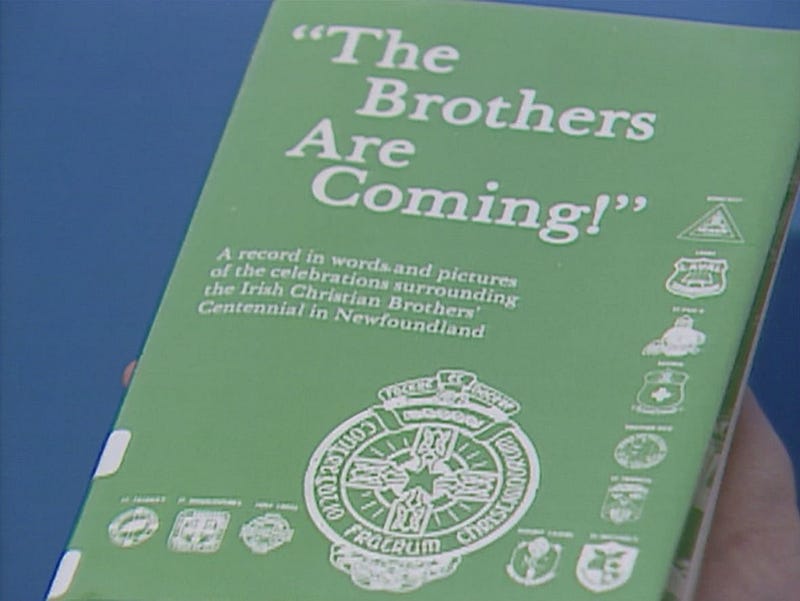
Cover-ups like this are the reason for the setting up of the National Day for Truth and Reconciliation. Without exposing the truth, there is no reconciliation.
Regrettably, the Christian Church is usually not on the side of the truth in these matters.
I wonder why so many people still have high regard for Christian Church. If 100 children got molested by the staff members while dining in McDonald’s, and there is evidence of a cover-up, there would be a major outcry and boycott. If the CEO of McDonald’s would dare to say, “Don’t blame us. Those minority staff members who committed the crimes do not represent our business values”, there would be further outrage in the public. But somehow people on average have a higher level of tolerance for churches perpetrating harm. Why is that?
I suggest that one reason for such leniency is the deeply entrenched but unsubstantiated idea that people of faith have good moral standards, and that they would follow God’s moral teachings because they know God is watching them. I call this BS. People are not going to be better people because they believe in an all-seeing God. The truckload of sexual scandals of Catholic priests and Protestant pastors should have made that clear. If anything, belief in God can become a license for sinning. The logic is: as long as the perpetrators repent, God will absolve their sins. We should not expect people holding this self-serving doctrine to be loving and caring towards others.
That’s why I say in the subtitle that we should not trust religious institutions blindly. That may sound like a no-brainer. Surely we should not trust any institution blindly. But many people somehow subconsciously give the church a free pass. Their default attitude towards clergy is trust instead of caution. But let this National Day for Truth and Reconciliation be a reminder for us to watch out for people who claim to follow God, and be more mindful in protecting the more vulnerable ones among us.

Further Reading
If you are not a Medium member yet, please consider signing up using my referral link. I will get a small commission at no extra cost to you.


