
Reflections on Meditation — II — What is its Ideal State of Mind?
Empty? Focused on something? Filled with thought?
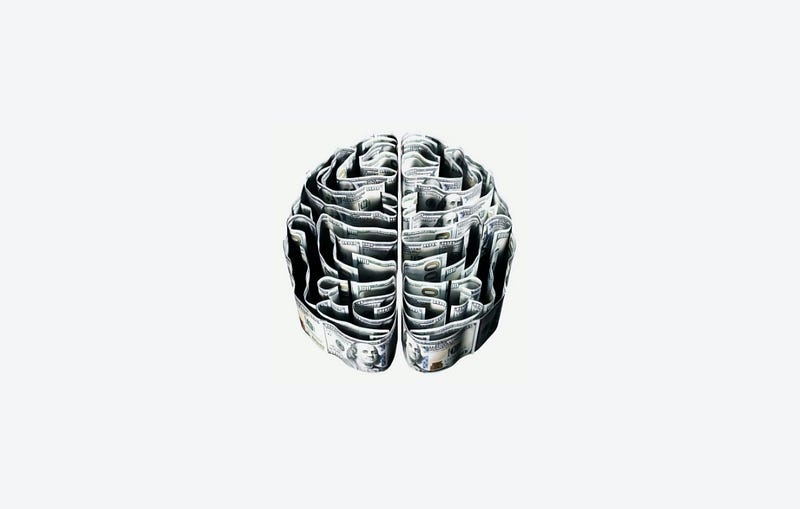
When I started meditating, I assumed that the aim was to achieve a state of thoughtlessness.
However, I had seen allusions to meditators achieving nirvana or realising tremendous fundamental truths through meditation. It seemed unlikely it was a product of thoughtlessness (or sudden mutation or divine revelation, which I was unwilling to countenance). So I considered the opposite — maybe these meditators had channelled intense and highly focused thought, the opposite of a blank mind.
But then, how would meditative thinking be different from just being quiet and thinking hard about something without interruption? Should meditation be just that?
Or are both valid states of meditation — an empty mind and an intensely thinking one? When would we apply each, assuming we don’t mix them in a session? Should we aim for thoughtlessness when we want one type of outcome and concentrated thought when we want another?
To find the answer, I considered two things. The first was the practical benefit of meditation (listed in my earlier post ‘How does it help us?’) in our emotional, intellectual and physical aspects. The second was what happens within me as I meditate.
From the former, it was evident that the intellectual and physical areas benefited from meditation’s ability to stop me from entering the zone of instinctive negative tendencies, such as gluttony, laziness, etc. The emotional aspect gave me pause, as its control seemed to need more thought, not less. But further consideration showed that here too, avoiding an immediate reaction to an event before thinking of what was better was the key.
When I observed myself meditating, I found that achieving emptiness of mind from one to several minutes always left me with a feeling of strength of mind and confidence in my ability to control my emotional graph. It did not happen when I ended up thinking for most of the meditation time. Focusing on a word, my breathing or the darkness in my closed eyes was equivalent to almost no thought, but not necessary.
I also found something else: Periods of achieving blankness of mind were often followed by flashes of insight on something I was wrestling with in regular life. And remarkably, these new ideas invariably came after successfully avoiding thought for a while within the meditation session. It is striking that not thinking can lead to better thinking, but it has now happened too often to consider it a chance.
I had reached an answer. Our ability to think torments us, humans. We act not only by instinct but by continuously questioning and judging our actions and those of others. It often leaves us disturbed in one way or another. The power of thought, if it can be called power, is unique to us on this planet, and we have a significantly higher level of it than even our closest primate cousins. Like a powerful horse, it needs to be reined in, restrained, kept in check to better use it when and where it is needed most.
It is also apparent that many of the lessons of philosophy, religion, and science are about moderating and taming our thoughts to make us more valuable, healthy, and joyful. What better way to acquire a measure of control on our higher and lower minds than by learning to cease thinking entirely for a while?! Meditation seems to have emerged for precisely this purpose. Purposeful cessation of thought is the purpose of meditation, explicit or implicit, designed or discovered.
For the above reasons, I conclude that the mental state to achieve in meditation is thoughtlessness.
Shashi / June 16, 2014
If you are interested in meditation, you can read the stories below to explore it from different viewpoints.
Please consider subscribing to Medium for $5 a month from this referral link if you enjoy my stories and those of other excellent writers here.
Shashi on LinkedIn and quality-thinking.com.


