Real Reason #5 for Sugar Cravings: Serotonin
Low serotonin is linked with many issues, and sugar cravings.
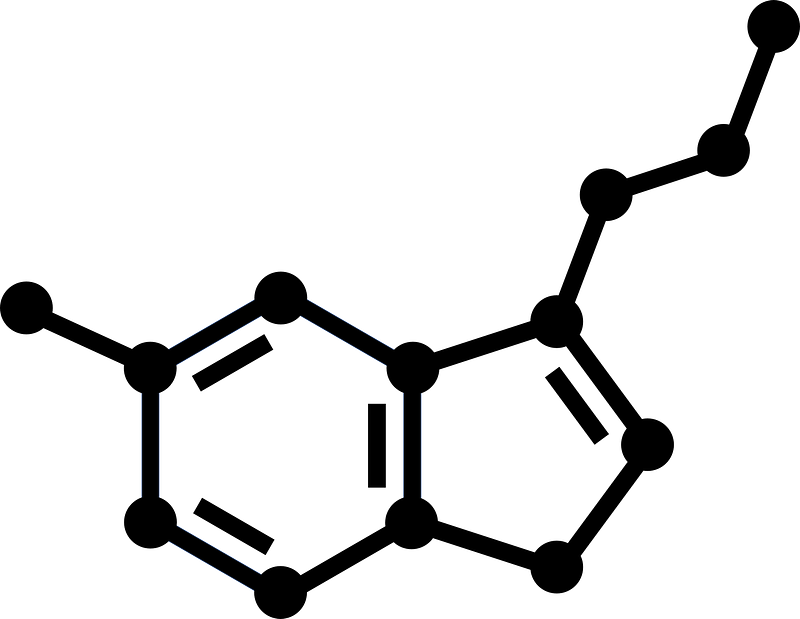
Serotonin is an important brain chemical that became commonly known due to anti-depressant meds that went on the market years ago.
Serotonin promotes relaxation, calm and satiety (the feeling that we’ve had enough food and don’t need more for a while). It strongly affects cravings, appetite, and food preferences.
Low serotonin may be linked with mood issues, seasonal affective disorder (SAD), premenstrual syndrome (PMS), menopause symptoms, chronic alcohol use, or insulin resistance. Any of these can result in sugar cravings.
As premenstrual serotonin drops, PMS may occur. PMS includes many discomforts: anxiety, possible depression, irritability, mood swings, nervousness, angry outbursts, impulsivity, fatigue, fluid retention, bloating, weight gain, backache, headaches, joint pain, breast pain, acne, increased appetite, insomnia.
And cravings, especially for sugar.
Diet can be one reason for PMS. Women with PMS tend to consume more sugar, alcohol, white flour, salt, saturated fat, caffeine, and/or dairy products.
Sugar increases the intensity of PMS symptoms.
And Then There’s Insulin Resistance
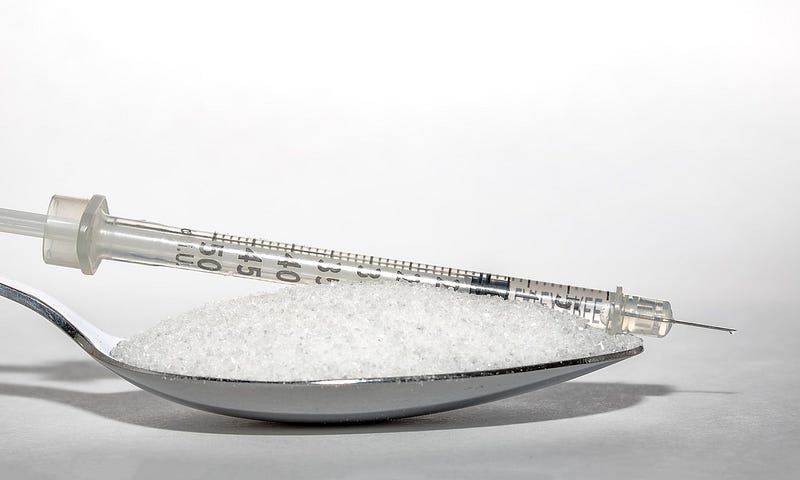
Insulin resistance interferes with serotonin, provoking sugar cravings. Let’s see how this works.
Insulin, a hormone produced by the pancreas, allows glucose to enter cells for metabolism. (It has other functions, too.)
If someone becomes insulin resistant, cells no longer respond to insulin. The body’s first line of defense is to produce more insulin so glucose will still be metabolized. This compensation works until the insulin production no longer outpaces the degree of resistance. (That’s an extremely oversimplified description of the onset of type 2 diabetes.)
Along the way, those higher levels of insulin cause inflammation, which can cause such health issues as heart disease, hypertension, type 2 diabetes, and more.
We typically hear that overweight causes insulin resistance. That’s true, but not the whole picture. Insulin resistance can be caused by genetics or by lifestyle — lack of exercise, poor diet.
What’s This Got to Do with Serotonin and Sugar Cravings?
The primary site of insulin resistance is skeletal muscle. Insulin-resistant muscle cells don’t allow glucose to enter. The glucose is then transported to fat cells. Cravings for carbs and sugar can result.
A connection with mood issues exists, too, also leading to cravings.
Insulin transports amino acids — the Building Blocks of Protein — to muscles. There they’re used for many functions: formation of blood, hormones and enzymes; wound healing; tissue repair; muscle building; and more.
A top-priority use of amino acids is making brain chemicals. Tryptophan is the amino acid the brain uses to make serotonin.
Insulin resistance interferes with tryptophan’s transport to the brain so less serotonin is produced. Low serotonin is linked with all of the above issues. And sugar cravings.
So What Can You Do?
Exercise at least 4 days a week. Exercise (especially cardio) makes muscles more sensitive to insulin. Less insulin is then required — always a good thing.
Avoid sugar and other major insulin triggers, such as white flour products.
Throughout the day, eat protein to provide tryptophan for serotonin production.
Stay tuned for my final post on sugar cravings: the benefits of protein.
If you’ve missed Real Reasons 1 through 4, you can find them here:
And now may I gift you with more information on getting past sugar cravings? Just visit LastResortNutrition.com and grab your free copy of “3 Biggest Mistakes People Make When Trying to Quit Sugar.” It’s on me.
Brought to you by Dr. Joan Kent, best-selling author of Stronger Than Sugar: 7 Simple Steps to Defeat Sugar Addiction, Lift Your Mood, and Transform Your Health.