Real Reason #2 for Sugar Cravings: Withdrawal
No matter what people say, don’t eat sugar to take away a sugar craving
Lots of advice and information (misinformation?) is available on sugar cravings. This week, I’m offering what my research shows are the real reasons sugar cravings happen.
Use of an addictive substance by its nature becomes habitual. When the habitual use is interrupted, an “abstinence syndrome” can result. It’s more commonly called withdrawal, and it can cause sugar cravings.
Someone who has recently stopped drinking alcohol, for example, may have frequent and strong cravings for sugar. That’s because several key brain chemicals stimulated by alcohol are also stimulated by sugar.
No wonder people in alcohol recovery crave sugar and eat so much of it. AA meetings typically feature sugary treats at the back of the room: cookies, brownies, cakes, donuts.
Sugar cravings can also occur when someone is giving up cocaine, and for similar brain chemical reasons.
Sugar Does It, Too
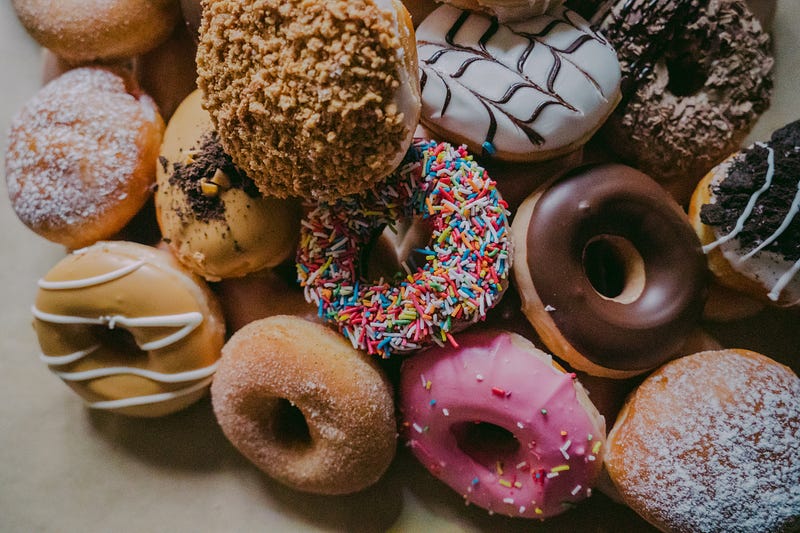
If someone is addicted to sugar, quitting sugar can lead to cravings. The symptoms may resemble those of alcohol or opiate withdrawal because sugar affects several of the same brain chemicals that alcohol and opiates do.
The more sugar you were eating prior to quitting, the greater the withdrawal symptoms you may feel and the stronger your cravings may be.
Another Big Fat Tip for You
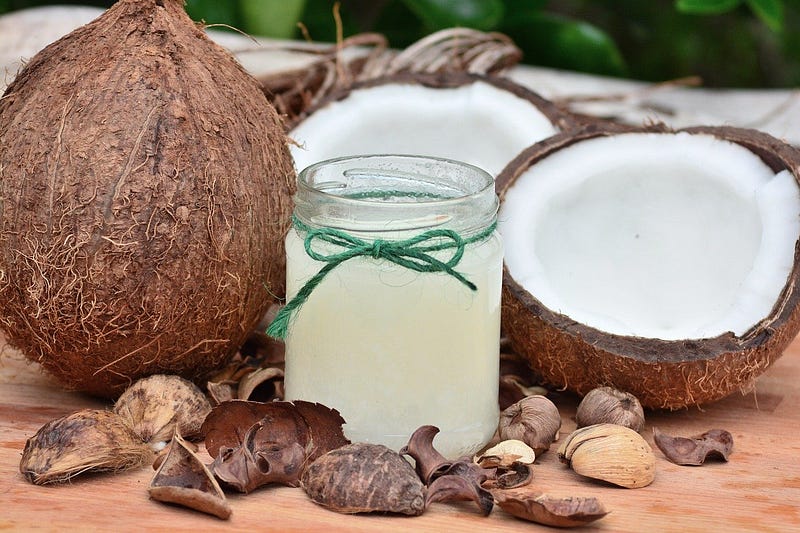
When you’re trying to get past sugar cravings — no matter what you’re quitting — a safe way to do that is to eat some fat when you have the craving. A saturated fat (like cheese or coconut) will work best because the brain chemicals that are triggered will be identical with those triggered by sugar.
Don’t panic over the fat. You will not gain 100 pounds in the week or less that it takes to quit.
No matter what people tell you, though, don’t eat sugar to take away a sugar craving!
Eating sugar when you crave alcohol or sugar can backfire. This is due to internal triggers, which will be covered in the next post.
If you struggle with sugar for any reason, you can easily manage it. Just get started by visiting www.LastResortNutrition.com and grabbing your free copy of “3 Biggest Mistakes People Make When Trying to Quit Sugar.”
Brought to you by Dr. Joan Kent, best-selling author of Stronger Than Sugar: 7 Simple Steps to Defeat Sugar Addiction, Lift Your Mood, and Transform Your Health.