
SPRING REPORT WEEK 4 part 2
Ready, steady, … flowers!
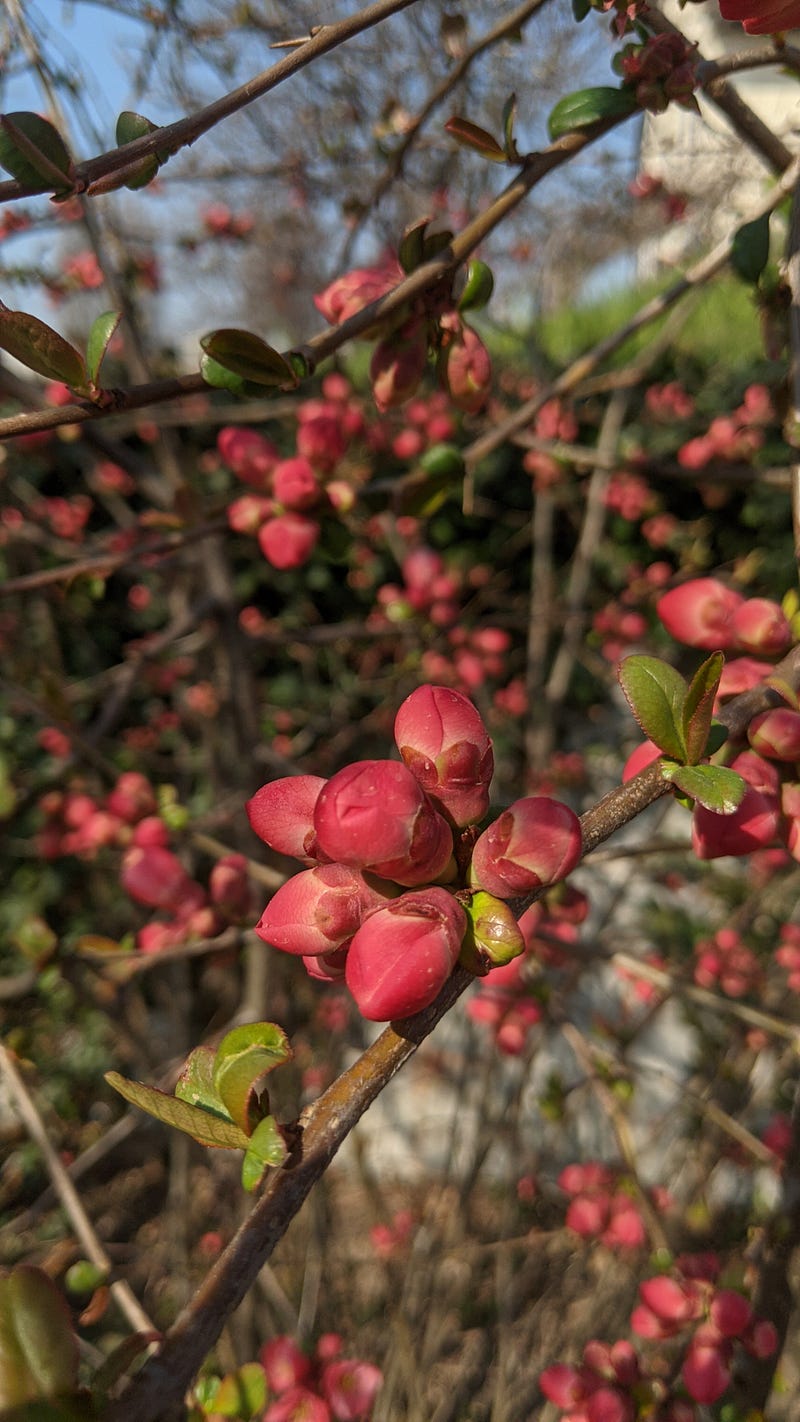
All around, buds are ready to burst. I focus here on flower buds. Learn about the pigments that confer flowers their colors, and about an unexpected surprise… UltraViolet flowers!
With spring officially starting today, buds are all around ready to burst into young green leaves and flowers. I spent all this last week exploring buds and photographing them.
Buds full of energy, and with a plan
In botany, a bud is an undeveloped or embryonic shoot and normally occurs in the axil of a leaf or at the tip of a stem. Just like animal embryos, they are full of potential energy (stored in chemical compounds) that will be released as they develop. This development will be controlled according to the genetic programs and hormones that will decide the fate of the bud: flowers, leaves, branches, or even whole new plants (a form of asexual reproduction).
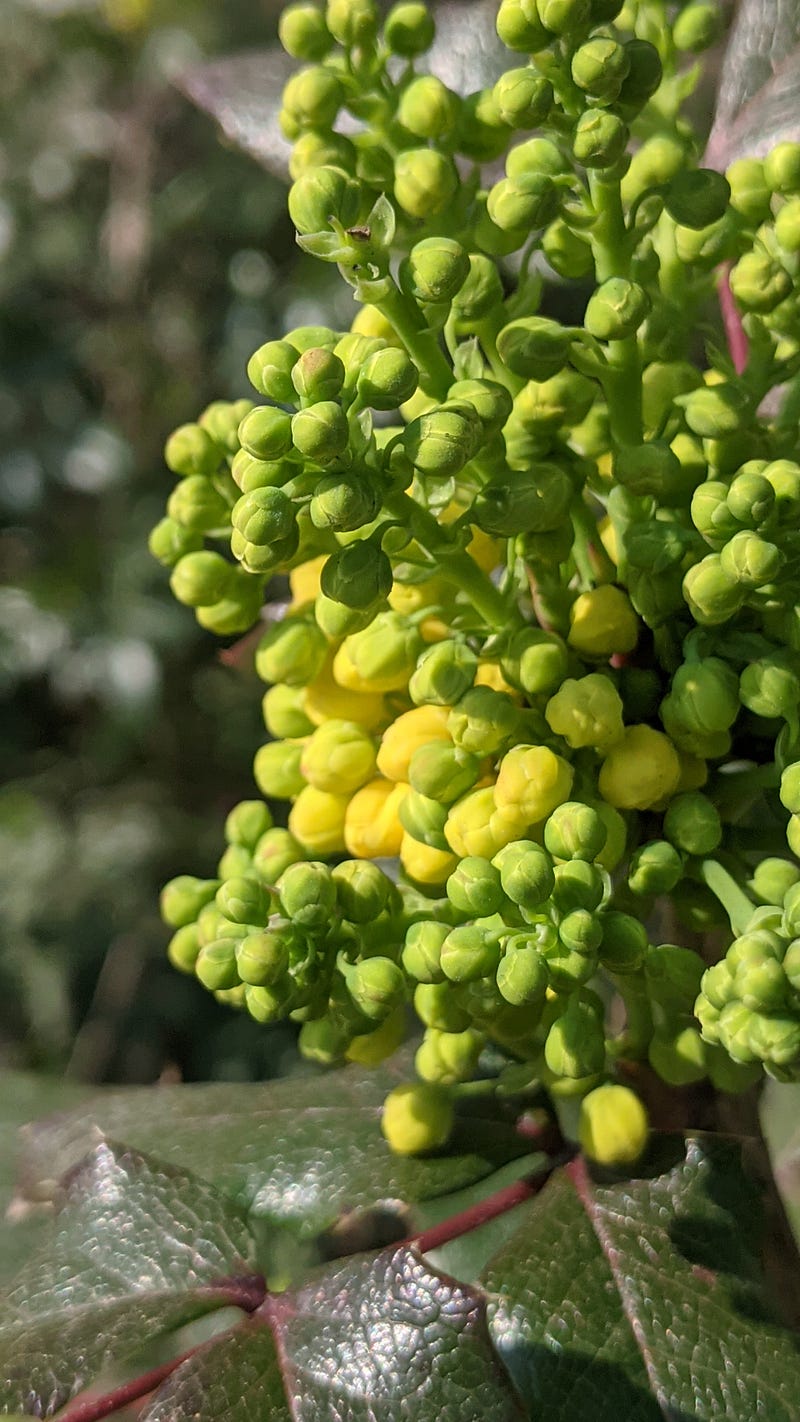
Some even already opening:
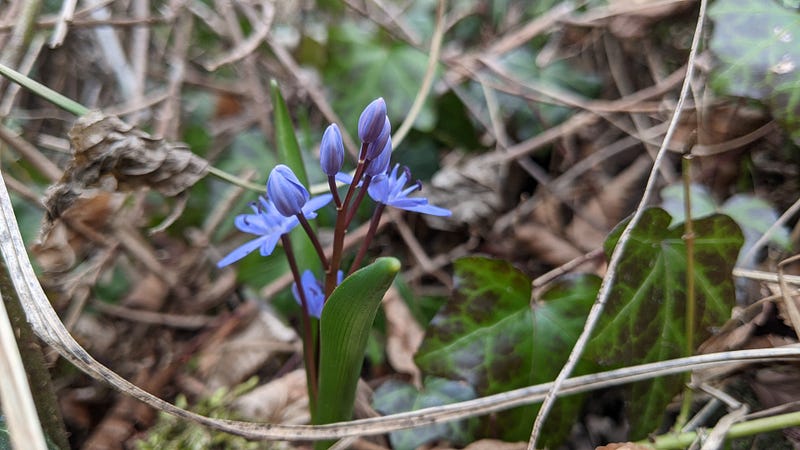
Buds cooking their inks to amaze us
I told you recently about photosynthetic pigments, mostly green in cyanobacteria and the leaves of upper plants:
On the contrary, flowers are rarely green, as they need to stand out from the leaves and stems to attract the insects that will pollinate them. For this, flowers are usually rich in colors. Even white is better than green, for what it matters!
Flowers get colors from pigments that are synthesized already in the buds once their fate to become flowers has been decided. Molecules of the anthocyanin family create colors in the range from blue to red, including hues of pink and purple. Molecules of the carotene family confer colors in the range from red to orange and yellow (carrots are orange because they contain high amounts of carotenes, notice the related names). Other molecules can yet confer colors, like hues of yellow by the xanthophyll family or even some green by chlorophyll.
But the color palette doesn’t stop there!
UltraViolet flowers
What’s even more curious is that many flowers contain pigments that look colorless to us, but actually look colorful to certain insects -often the specific pollinators of those plants. That’s because these pigments absorb light from the ultraviolet region of the color spectrum. We humans cannot see this light, so we won’t notice it. But many insects have eyes that do see such colors. This has in fact been explored with an ad hoc camera by one of my favorite educational YouTubers:
To know more about all this, you can check out this paper. It’s very technical, but opens the doors to our deepest knowledge about the chemical and genetic origin of colors in flowers:
And I leave links to photos and videos of flowers shot in UV, at the end of this story.
Here are some more buds cooking their pigments
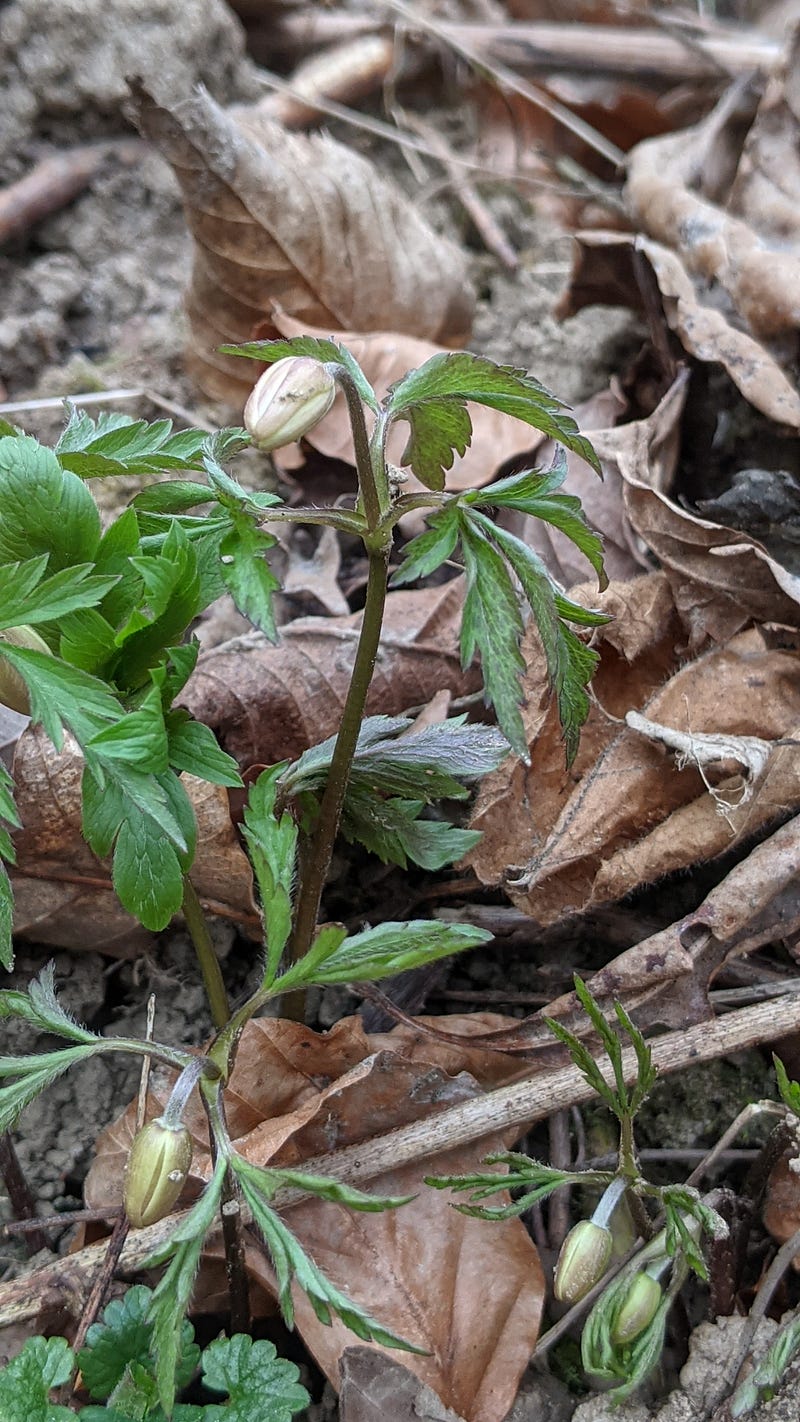
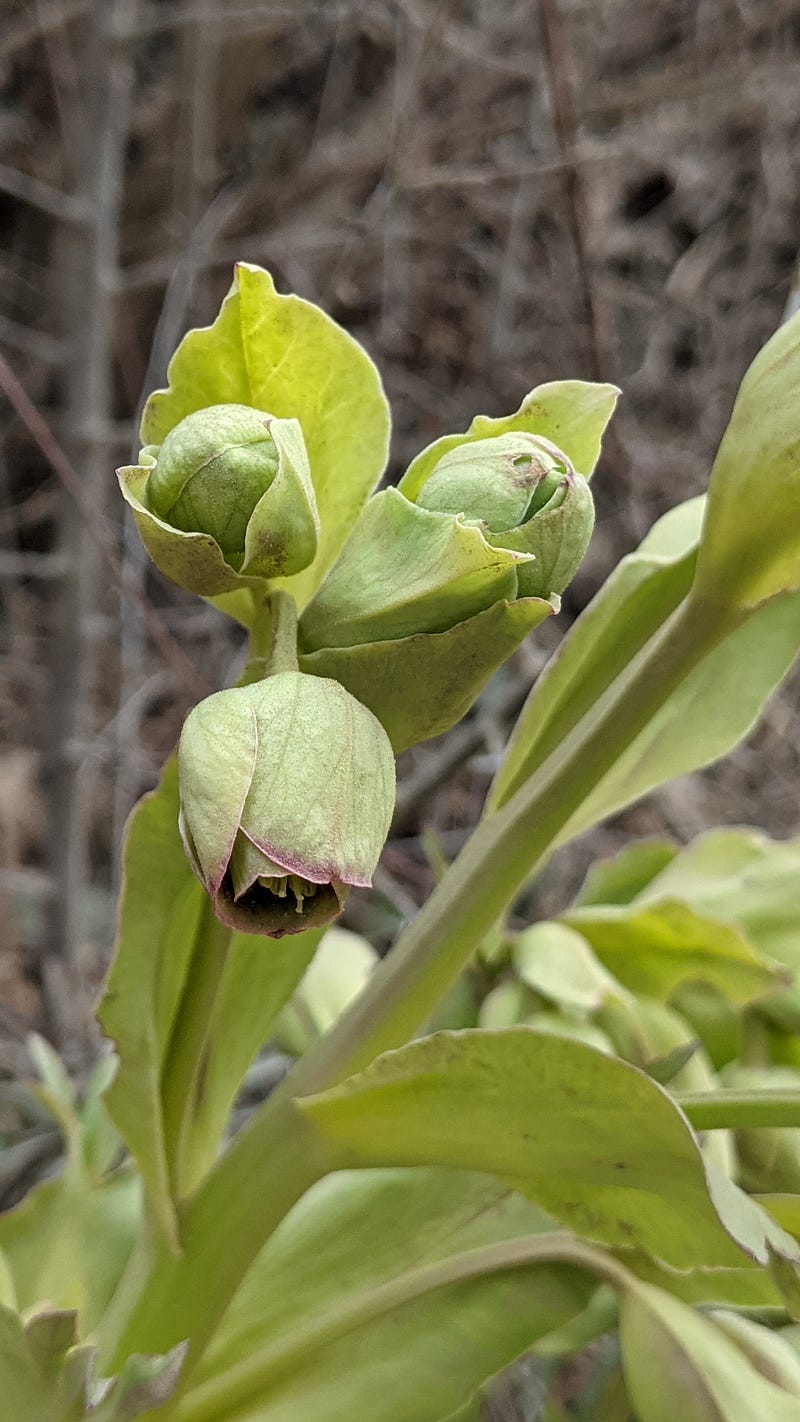
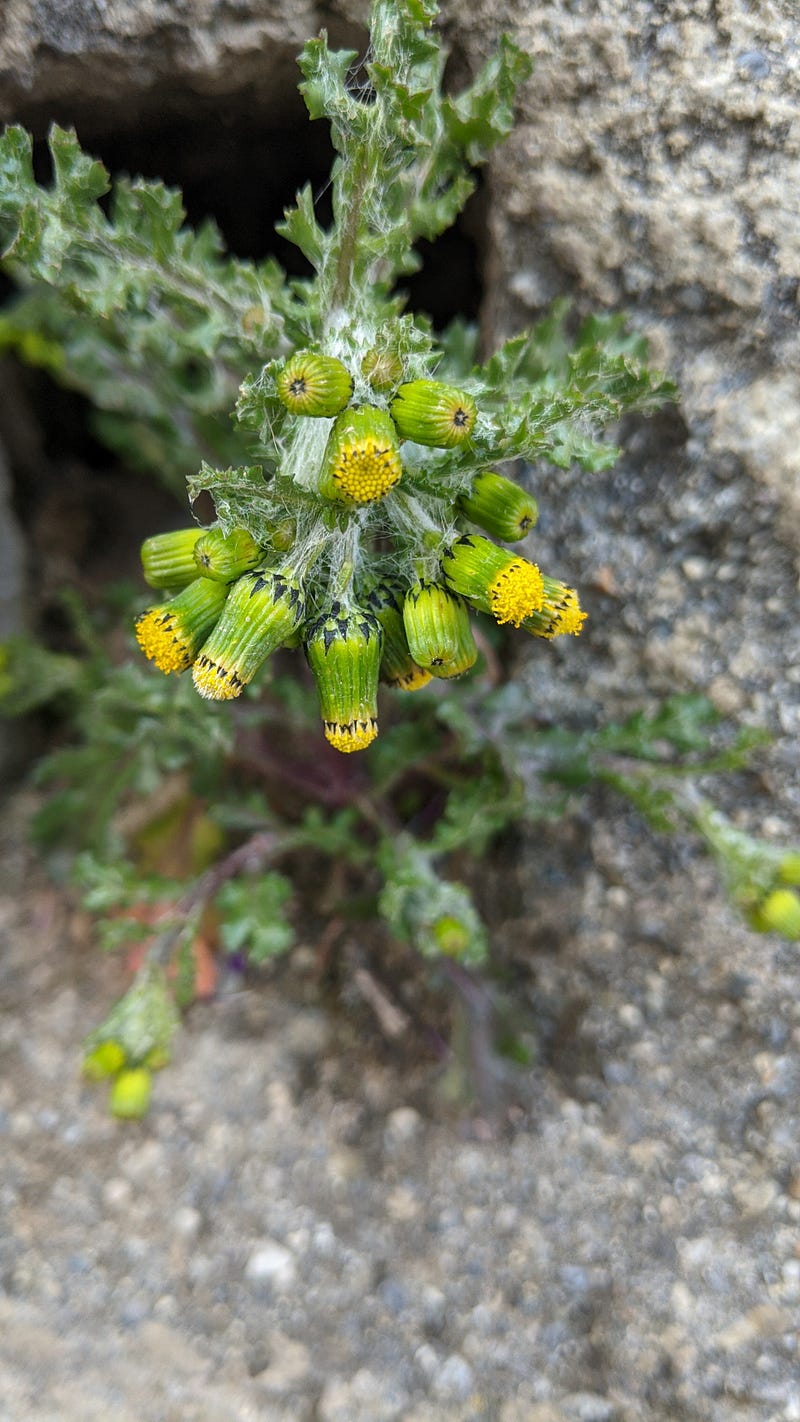
Some even growing out of a rocky wall:
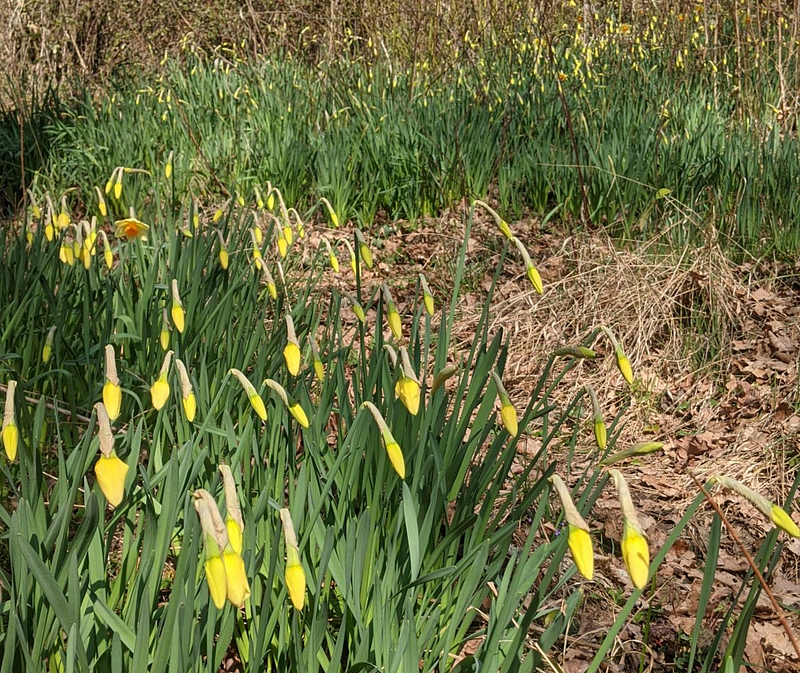
Bonus: sneak preview
Look at this field ready to bloom:
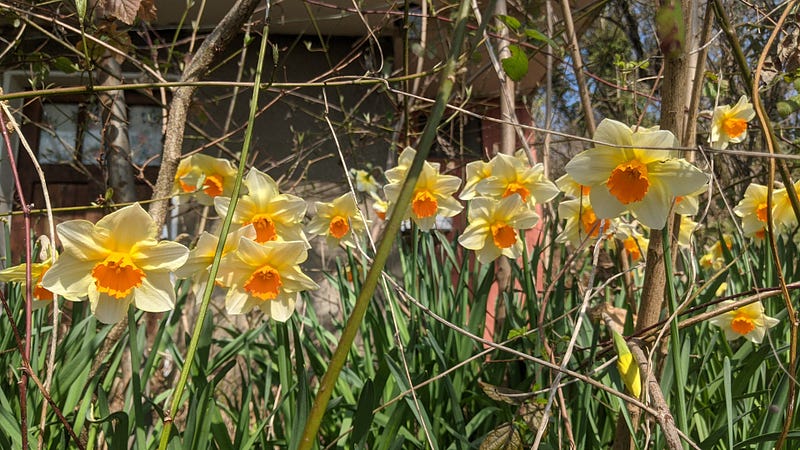
Just around the corner, there’s more sun so they have already opened!
[External] Professional shots of flowers looking at ultraviolet light
www.lucianoabriata.com I write and photoshoot about everything that lies in my broad sphere of interests: nature, science, technology, programming, etc. Become a Medium member to access all its stories (affiliate links of the platform for which I get small revenues without cost to you) and subscribe to get my new stories by email. To consult about small jobs check my services page here. You can contact me here.


