
Rare animals have been spotted on the Korean Peninsula. Some haven’t seen humans in 70 years
The demilitarized zone between North and South Korea was established exactly 70 years ago. To mark the occasion, new photos have been released that show the flora and fauna in a region where no humans have appeared since 1953.
.jpg)
After the end of World War II, the Korean Peninsula was divided into two states — South Korea and North Korea. The people who inhabited the region had been under Japanese rule since 1910, and were incorporated into the Soviet and American occupation zones in 1945.
Koreans, who had been one nation for hundreds of years, were separated from each other in 1953 by the so-called Demilitarized Zone. An armistice was then reached after the three-year Korean War.
Nature is thriving in the Korean Demilitarized Zone
The Demilitarized Zone runs along the 38th parallel. It is 4 kilometers wide and 238 kilometers long. Every inch is protected by a high fence with barbed wire. One side and the other is patrolled by armed soldiers. The largest minefield in the world is also located there. This means that for 70 years no human being has been allowed to cross this border.
In social relations, creating barriers distances us from each other. However, from nature’s perspective, keeping people out of its world makes it take on a life of its own. It flourishes and amazes. This is exactly the case in the Korean Demilitarized Zone. A pristine, unusually lush flora and fauna has thrived there for several decades, and many rare species that were considered critically endangered have even appeared.
The Google Arts & Culture website has just published remarkable photos that depict the Korean Peninsula’s demilitarized zone. They are both contemporary and historical photographs. The project was created in cooperation with the National Institute of Ecology of South Korea and aims to tell the story of the place not only through the prism of war and Korean conflict, but also through the lens of nature.
The zone has been untouched by man for 70 years
This is all in celebration of the zone’s 70th anniversary. The authors of the project want to raise global awareness about the situation of the Peninsula. The website features stories of Korean War veterans and people who remember the events of seven decades ago.
It is also a visual story of how nature found its way in a region of nuclear, chemical and biological weapons. — After the Korean War, there was minimal human activity in the demilitarized zone. For 70 people did not disturb nature, and the nature destroyed by the conflicts recovered on its own, the project’s authors say, resulting in a completely new ecosystem and becoming a refuge for wildlife, the website reads.
.jpg)
Scientists have observed more than 6,000 species of animals and plants
The National Institute of Ecology placed cameras throughout the zone, which took high-resolution images. Based on analysis of the footage, the scientists determined that a total of 6168 wildlife species live in the border area. As many as 38% of them are threatened with extinction.
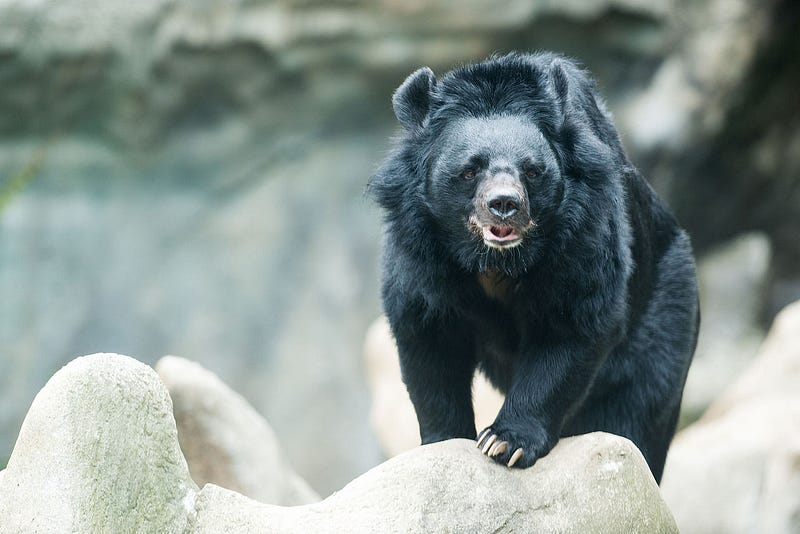
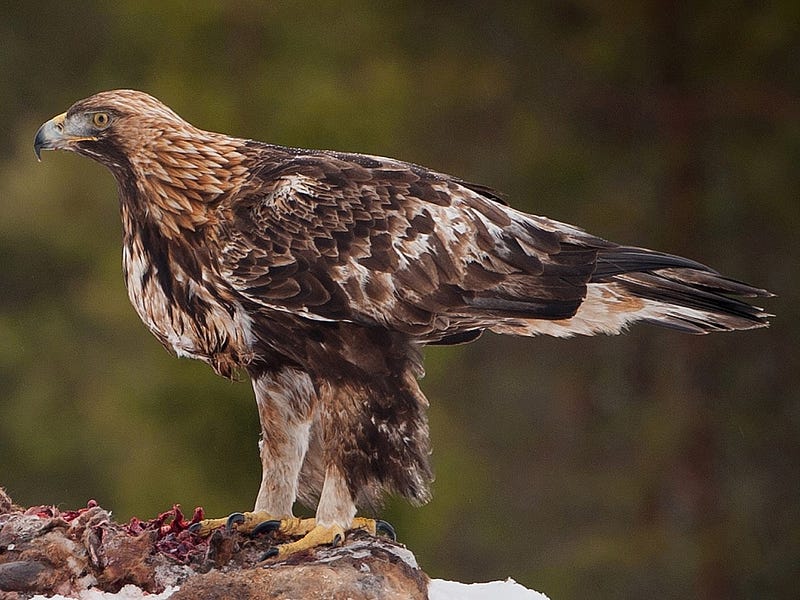
Researchers have observed cranes, muskrats, moon bear, snow goats, golden eagles, otters and Manchurian trout, among others. Some species have not been seen in the region for several decades.
Protecting endangered species in the demilitarized zone would require the cooperation of North and South Korea. However, the two countries have not signed a peace treaty since 1953, so officially they are still at war. The last peace talks were held in 2018. In Panmunjom, delegations from the countries met on the demarcation line to discuss a joint peace declaration. However, all indications are that real peace is still a long way off.
Source: Google Arts & Culture
Cool that you made it to the end of this article. I will be very pleased if you appreciate the effort of creating it and leave some claps here, or maybe even start following me. It would be nice if you also left a tip! Thank you!