avatarLucianoSphere (Luciano Abriata, PhD)

Free AI web copilot to create summaries, insights and extended knowledge, download it at here

2950

Abstract

igure id="65d3"><img src="https://cdn-images-1.readmedium.com/v2/resize:fit:800/1*1MX1mTIgfNXf8BEMWk0chA.png"><figcaption></figcaption></figure><figure id="90b0"><img src="https://cdn-images-1.readmedium.com/v2/resize:fit:800/0*o3p4cGC-u6rFWypX"><figcaption></figcaption></figure><p id="a54f">If you are lucky you can see some wild deer and foxes. If not then you can at least see some interesting animals in farms. Yes, I’ve omitted cows!</p><figure id="d92d"><img src="https://cdn-images-1.readmedium.com/v2/resize:fit:800/0*OrZ0fixw39pP_tv8"><figcaption></figcaption></figure><p id="33d5">Although there’s still a good fraction of wild forests, especially in the hills and cliffs, farming is of course quite intensive. After all, we are at the heart of Europe.</p><p id="01ad">Here’s for example a field of wheat. That white spot in the center above the house is the moon. And on the right of the house, you see a tiny portion of the forest.</p><figure id="68a6"><img src="https://cdn-images-1.readmedium.com/v2/resize:fit:800/0*YNrJLS-vvdhaKAOh"><figcaption></figcaption></figure><h1 id="ca42">Röstigraben</h1><p id="64af">When you reach the city of <i>Fribourg/Freiburg</i> in the homonymous canton, of which it is the capital, you cross this river:</p><figure id="2039"><img src="https://cdn-images-1.readmedium.com/v2/resize:fit:800/0*ykxPRsKl5wjmQ2Bf"><figcaption></figcaption></figure><p id="2f3f">The city and canton are bilingual, so almost everything is written in French and German (hence the two names) and most people speak both languages. <a href="https://en.wikipedia.org/wiki/Saane/Sarine">This river, called <i>Sarine</i> in French or <i>Saane </i>in German</a>, kind of splits the French- and German-speaking sides of the country.</p><p id="b0b4">The river thus stands as the geographic counterpart of the cultural symbol for the limit, which is called <a href="https://en.wikipedia.org/wiki/R%C3%B6stigraben"><i>Röstigraben</i></a> and literally means <i>Rösti </i>trench, <a href="https://en.wikipedia.org/wiki/R%C3%B6sti"><i>Rösti </i>being the typical Swiss-German dish</a>. (Fun thing: some speak also of a “<i>Polentagraben</i>” that separates the German- from the Italian-speaking regions of the country!).</p><h1 id="3280">Into the French-speaking region</h1><p id="1f75">The greens remain similar, but you can notice some small changes in architecture as these kinds of old buildings decorate the surroundings of towns and farms, as you get increasingly cleaner views of the Alps in the back:</p><figure id="26e8"><img src="https://cdn-images-1.readmedium.com/v2/resize:fit:800/0*NGEGQw2fRTGdgSaB"><figcaption></figcaption></figure><figure id="fe86"><img src="https://cdn-images-1.readmedium.com/v2/resize:fit:800/0*eaTkHVqW8J43Yxpl"><figcaption></figcaption></figure><p id="b394">Scattered houses and very small towns are very common all around the country, including canton Fribourg that we are now leaving and Canton V

Options

aud that we are now entering.</p><figure id="b485"><img src="https://cdn-images-1.readmedium.com/v2/resize:fit:800/0*fpkhNoOvNoRrurB5"><figcaption></figcaption></figure><h1 id="60e6">Suddenly a huge lake and we are in Lausanne</h1><p id="8ffc">Just 15 minutes before arriving in Lausanne, you cross one of the few tunnels of the ride. You’ve been seeing green (or white in winter) for around 1 hour, but it all will change when you exit the tunnel on its West side.</p><p id="9693"><i>Lac Leman</i> (<i>Lake Geneva</i> in English, <i>Genfsee </i>in German) is just there, and you get to see it from above the UNESCO terrace vineyards of <i>Lavaux</i>:</p><figure id="6c5c"><img src="https://cdn-images-1.readmedium.com/v2/resize:fit:800/0*1MI4YplmZUW6zTjo"><figcaption></figcaption></figure><figure id="a574"><img src="https://cdn-images-1.readmedium.com/v2/resize:fit:800/0*Z72Fljh3eVq2V5a3"><figcaption></figcaption></figure><figure id="0156"><img src="https://cdn-images-1.readmedium.com/v2/resize:fit:800/0*kncGAyvGc-PaPhjZ"><figcaption></figcaption></figure><p id="0f0f">You can discover this UNESCO site in a dedicated photostory I wrote in last year’s fall when grapes were ripening:</p><div id="cca2" class="link-block"> <a href="https://readmedium.com/time-for-grapes-in-lavaux-a-unesco-heritage-vineyard-dce60a84e91"> <div> <div> <h2>Time for grapes in Lavaux, a UNESCO heritage vineyard</h2> <div><h3>This is the best time of the year to visit these centenary terraced vineyards: with the colors of the fall starting to…</h3></div> <div><p>medium.com</p></div> </div> <div> <div style="background-image: url(https://miro.readmedium.com/v2/resize:fit:320/1*RsBrpQCA9QtC7RfurYeHMw.jpeg)"></div> </div> </div> </a> </div><h1 id="647c">10 more minutes and you are in Lausanne, the Olympic capital</h1><p id="6ed3">Maybe I can cover this some other time. For the moment, enjoy your day around the simple but elegant city, especially on its shores and <a href="https://readmedium.com/the-most-lovely-beach-in-switzerland-its-underwater-treasures-and-the-beautiful-towns-nearby-bc157b7414fa">beaches</a>; and have some local cuisine!</p><p id="937c"><i>Luciano</i></p><p id="87e4"><i>I am a nature, science, technology, programming, and DIY enthusiast. Biotechnologist and chemist, in the wet lab and in computers. I write about everything that lies within my broad sphere of interests. Check out my <a href="https://lucianosphere.medium.com/lists">lists</a> for more stories. <a href="https://lucianosphere.medium.com/membership">Become a Medium member</a> to access all stories by me and other writers, and <a href="https://lucianosphere.medium.com/subscribe">subscribe to get my new stories</a> by email (original affiliate links of the platform).</i></p></article></body>

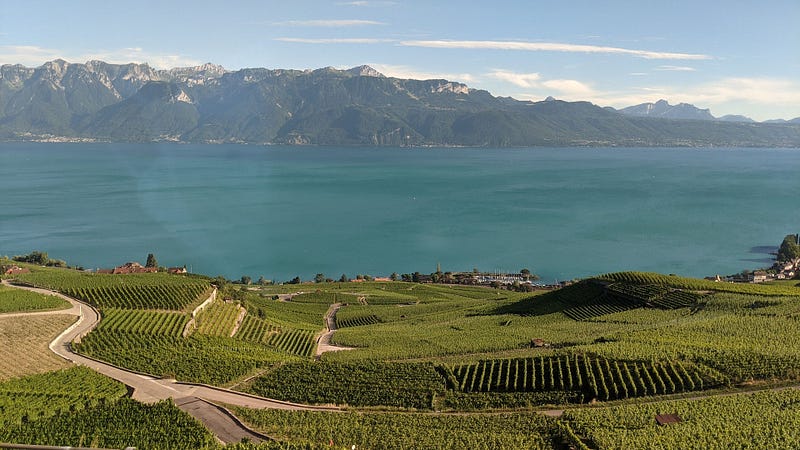
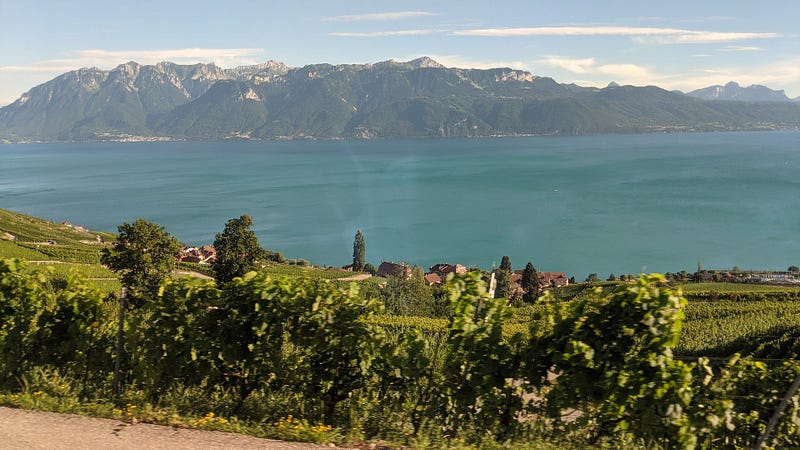
Lac Leman as seen minutes before arriving in Lausanne. These vineyards are part of a UNESCO heritage area -find the link to my story on them herein. This and all other photographs by author Luciano Abriata.

Switzerland by train

Public transport with a view: Train ride from Bern to Lausanne

Just traveling by train you can get to know most of the best landscapes of Heidi’s country, even in non-touristic trains. In a new series I’m launching here, I’ll take you through some of the best train rides.

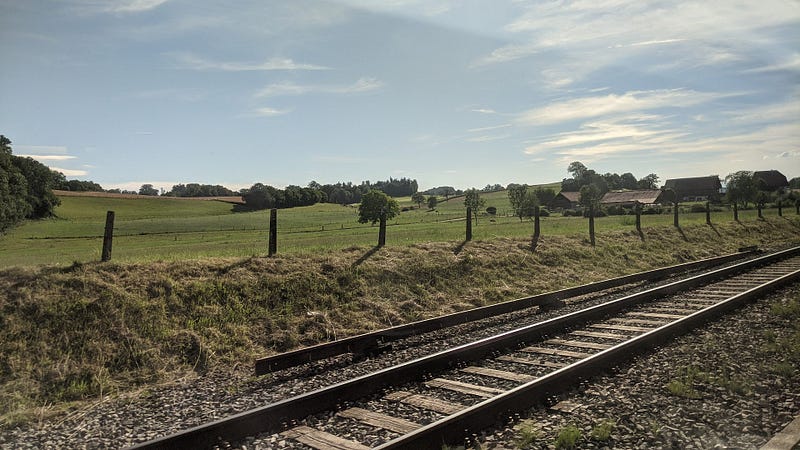
Swiss trains are punctual, yes. And they are scenic too, even those that are merely devised for efficient transportation of people and not for specific touristic purposes. I’m here opening a series that will focus on that: sharing trips with great views, that you can do on the ordinary trains of the country.

First minutes away from Bern

Bern is a very small capital, actually a de facto capital because the powers are spread over three main regions in Switzerland, not centralized in Bern.

It’s very nice, tidy, well-kept, lovely in summer and close to some of the best winter, summer, spring and autumn attractions of the country.

A couple of minutes away from Bern’s Hauptbahnhof (central station) and you are already in the forests, with farmhouses here and there:
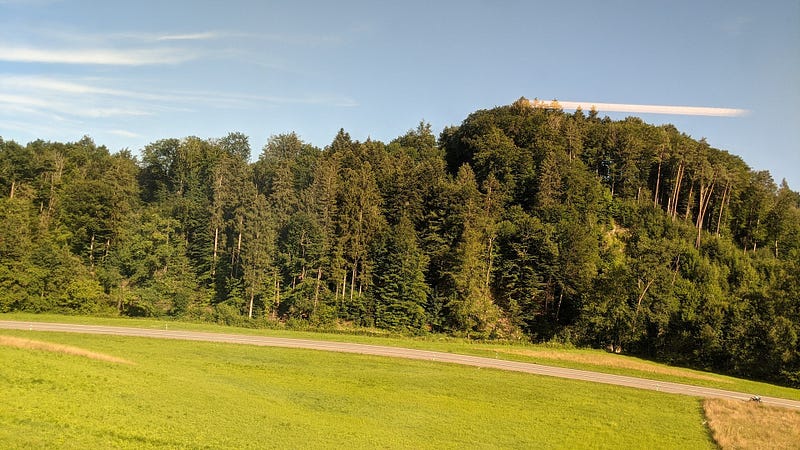
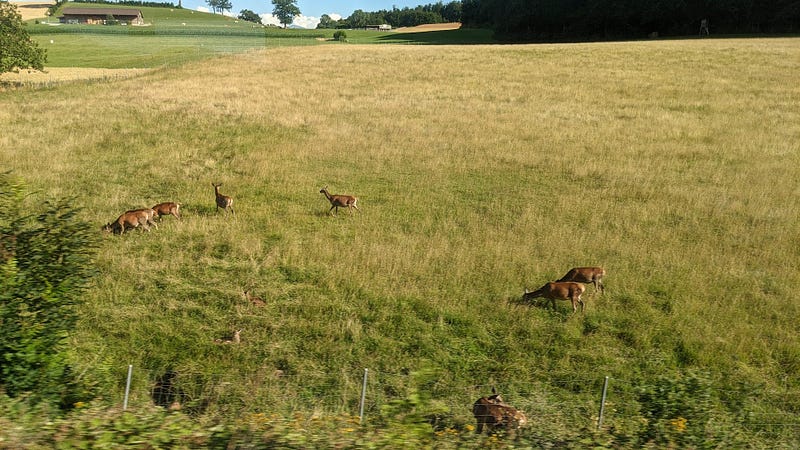
If you are lucky you can see some wild deer and foxes. If not then you can at least see some interesting animals in farms. Yes, I’ve omitted cows!
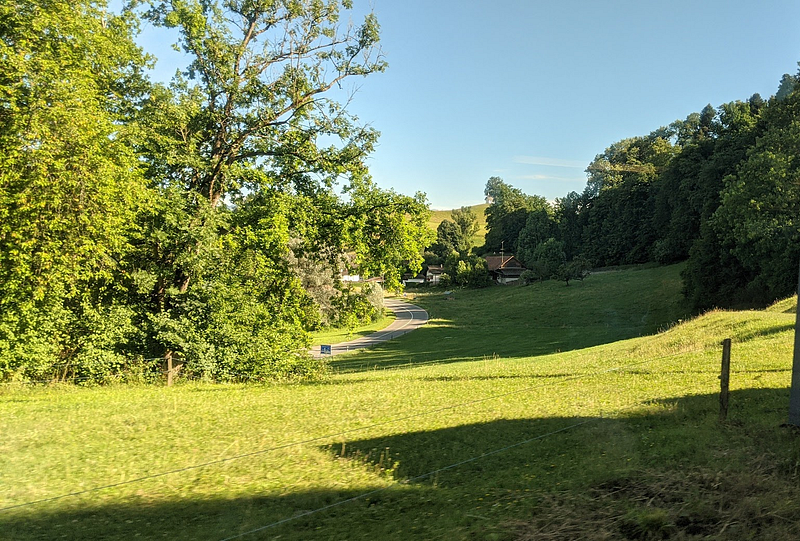
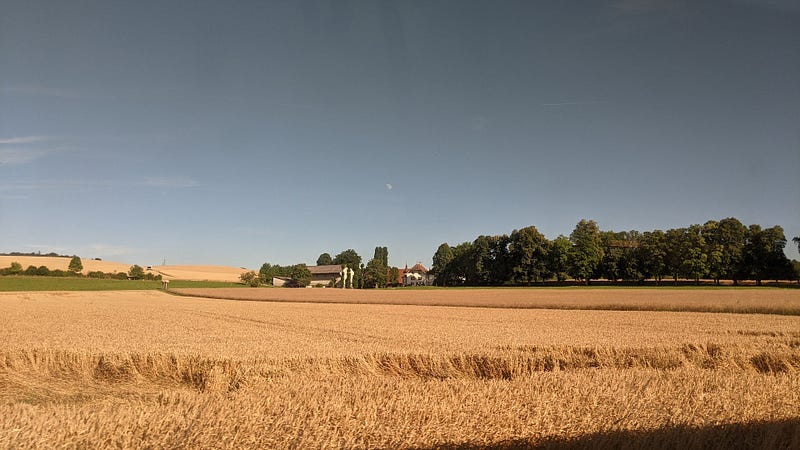
Although there’s still a good fraction of wild forests, especially in the hills and cliffs, farming is of course quite intensive. After all, we are at the heart of Europe.

Here’s for example a field of wheat. That white spot in the center above the house is the moon. And on the right of the house, you see a tiny portion of the forest.
Röstigraben

When you reach the city of Fribourg/Freiburg in the homonymous canton, of which it is the capital, you cross this river:
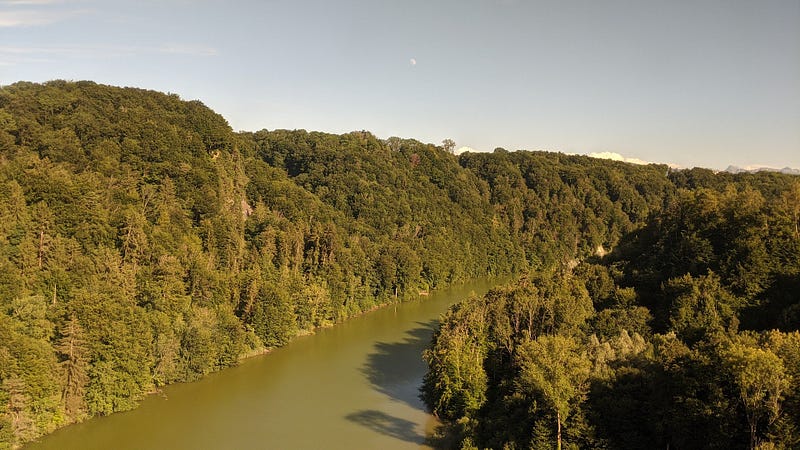
The city and canton are bilingual, so almost everything is written in French and German (hence the two names) and most people speak both languages. This river, called Sarine in French or Saane in German, kind of splits the French- and German-speaking sides of the country.

The river thus stands as the geographic counterpart of the cultural symbol for the limit, which is called Röstigraben and literally means Rösti trench, Rösti being the typical Swiss-German dish. (Fun thing: some speak also of a “Polentagraben” that separates the German- from the Italian-speaking regions of the country!).

Into the French-speaking region

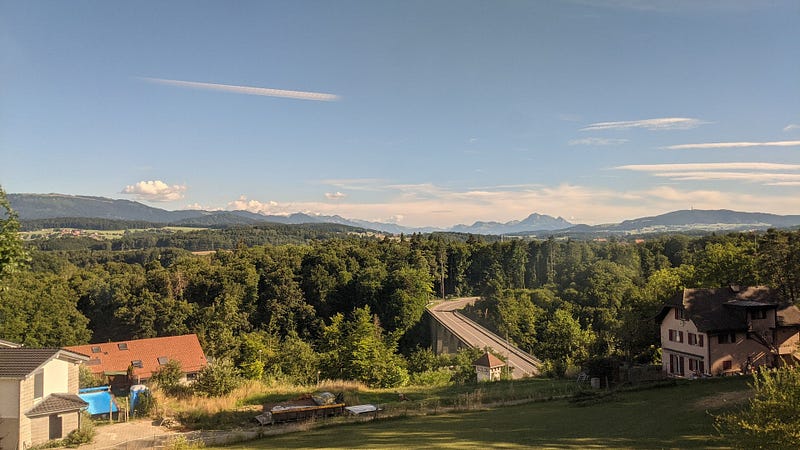
The greens remain similar, but you can notice some small changes in architecture as these kinds of old buildings decorate the surroundings of towns and farms, as you get increasingly cleaner views of the Alps in the back:
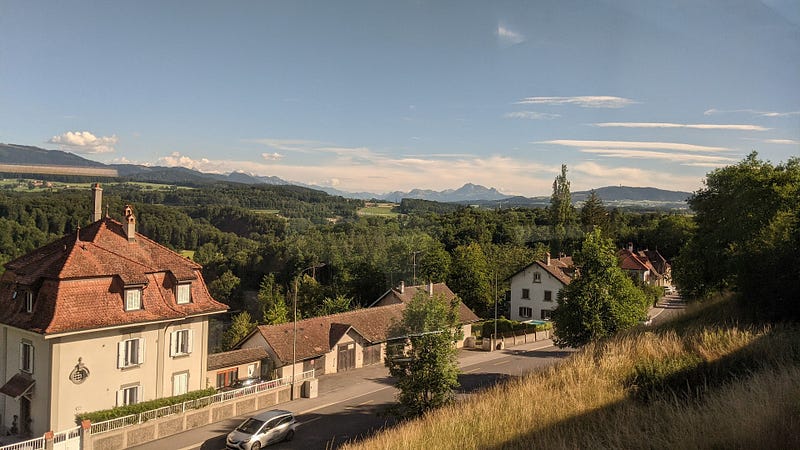
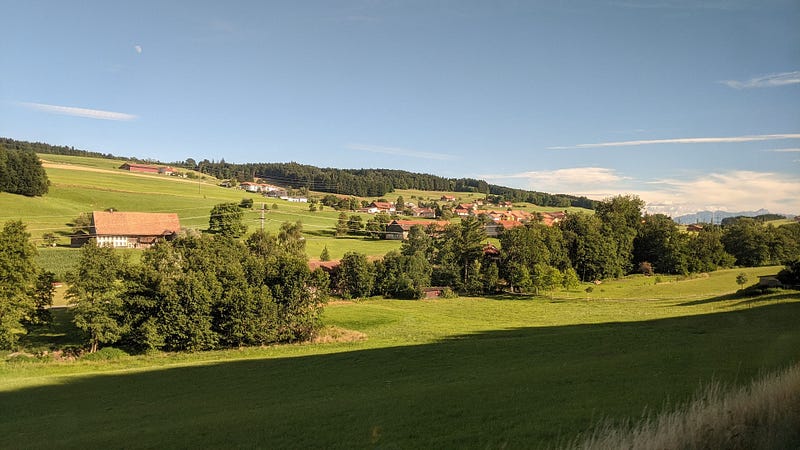
Scattered houses and very small towns are very common all around the country, including canton Fribourg that we are now leaving and Canton Vaud that we are now entering.
Suddenly a huge lake and we are in Lausanne

Just 15 minutes before arriving in Lausanne, you cross one of the few tunnels of the ride. You’ve been seeing green (or white in winter) for around 1 hour, but it all will change when you exit the tunnel on its West side.

Lac Leman (Lake Geneva in English, Genfsee in German) is just there, and you get to see it from above the UNESCO terrace vineyards of Lavaux:
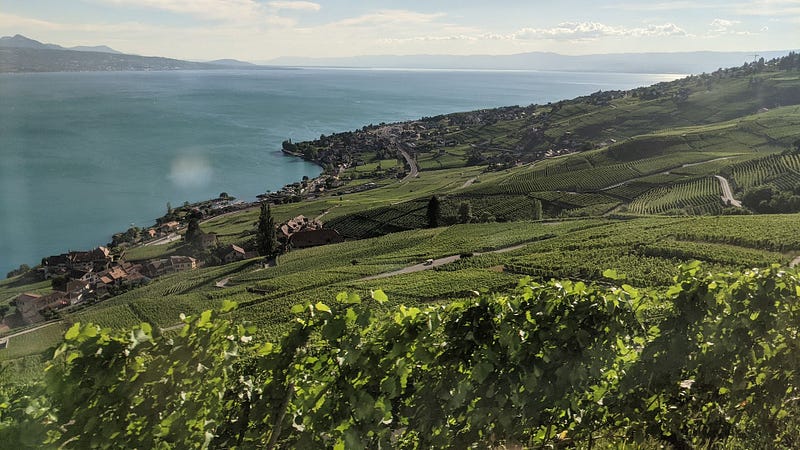
You can discover this UNESCO site in a dedicated photostory I wrote in last year’s fall when grapes were ripening:

10 more minutes and you are in Lausanne, the Olympic capital

Maybe I can cover this some other time. For the moment, enjoy your day around the simple but elegant city, especially on its shores and beaches; and have some local cuisine!

Luciano

I am a nature, science, technology, programming, and DIY enthusiast. Biotechnologist and chemist, in the wet lab and in computers. I write about everything that lies within my broad sphere of interests. Check out my lists for more stories. Become a Medium member to access all stories by me and other writers, and subscribe to get my new stories by email (original affiliate links of the platform).

Switzerland
Europe
Travel
Photography
Outdoors
Recommended from ReadMedium