
Protesting Virus Rules Doesn’t Make You A Hero
It just proves you don’t care about other people
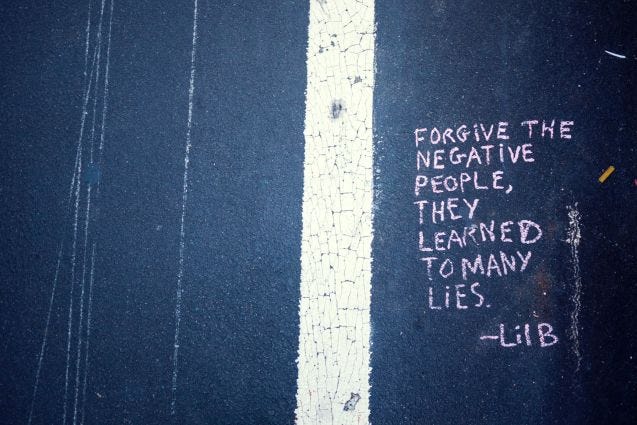
You don’t get to choose how you’re going to die or when. You can only decide how you’re going to live.
Joan Baez
What is most likely to be seen on the news or social media these days? Groups of people (mostly white) congregating on beaches, in stores, or restaurants. Others are pictured in the face of officers or holding guns protesting state rules for quarantining and being asked to wear protective gear.
Who are these people? And are there really that many of them?
Or is it merely because they (or their groups) know how to get on social media and in the news?
Is this phenomenon happening in other countries, or is it just the U.S. that has these ignorant people? Those that believe the administration’s argument that others have to keep dying, so we don’t lose all of our money?
The government managed to print enough money to bail out companies, while those same companies laid off millions of workers. But now that individuals need more than $1200, they’re told to go back to work even if it means dying or killing others. And these protesters don’t even realize that they are pawns for the Republican party, the administration, and big business.
I don’t believe the pictures we are seeing represent the majority of people in the U.S. I think that news organizations and social media posters have decided there’s no value to news about those staying at home. That it’s not divisive to care about others and no one wants to see it.
I and many others believe that wearing a mask out for the next year is what has to happen so that fewer people die. Even if it doesn’t ever affect anyone I know, it’s a small price to pay. Not seeing others is also less important than not risking infecting others. People seem to have forgotten that the hospitals are still overcrowded, and our health care workers are still working unbearably long shifts. Doing these things not only saves lives but can help take away the risk our healthcare workers and essential workers face daily.
The administration is now estimating at least 3000 people a DAY will die throughout the next few months. Now is not the time to go back out and act as if everything is back to normal.
If we accept that unnecessary deaths are an acceptable cost of keeping our jobs and homes, then our country may already be irretrievably lost. What happened to all of the pro-life voices who have suddenly gone silent? Do those with pre-existing conditions and the elderly no longer matter?
What can we do to change the narrative?
We see other countries that have done better during this time. Doing our part to help restrict the spread of the virus doesn’t have to be hard. We may not have an end date for the Corona Virus until the vaccine is developed and distributed, but there is plenty we can do.
Continue to follow the guidelines of respected health professionals and scientists until THEY say it’s ok to stop.
Guidelines still include washing your hands for a minimum of twenty seconds with soap or hand sanitizer. Wearing a mask out in public has been added as a precaution against spreading the virus. And stay at home whenever possible. When out, maintain at least six feet distance between yourself and others.
People who care about each other enjoy doing things for one another. They don’t consider it servitude.
Ann Landers
Mask use- things to consider:
If you work outside the home, wear a mask ALL the time. Sure, it’s uncomfortable wearing a mask, and it’s often harder to breathe. But don’t leave it hanging below your nose or chin, because then what’s the point? And every time you remove the mask in public, you can touch the material, which can then contaminate something else. Don’t forget to wash or sanitize your hands directly after removing your mask.
Whenever possible, have multiple reusable masks so they can be cleaned often. At this point we are still hearing it may be 12 months to a year for a vaccine. Assume until that time that you will need to continue to wear a mask when planning how many to have on hand for you and your family.
Children should also wear masks. They can just as easily also spread the virus without ever showing symptoms of having it. And there are children that have become ill from the virus and some that have died. Just because they aren’t a majority of the cases doesn’t mean that they shouldn’t follow the guidelines.
If someone else isn’t wearing a mask, don’t rush to judgment that they don’t care. They may not have the money or ability to make or buy masks for themselves and their family.
Donating and raising your own voice
People can donate money to organizations that are providing masks to high-risk populations with limited resources like the homeless, those in custody, and for those in nursing homes.
The nonprofit face2facemasks.org website makes it easy to help those in homeless shelters. Per the website, “With each mask you buy, we give a mask to a homeless shelter at high risk of outbreak. Plus 100% of our profits benefit front line medical workers.”
The search feature on the website Donate Good Stuff is useful for finding where to donate masks and other items locally. It’s great for people that are fundraising for masks for those in need or those that can make masks at home. When making masks to donate, keep in mind that homeless and incarcerated people are not as able to wash and disinfect a mask as those who can do laundry.
Refuse to shop or eat at establishments that don’t limit the number of people in their buildings or enforce distancing rules. Also, support businesses that do require wearing masks for employees and patrons. Let the managers know that it’s important to you; otherwise, they only hear from the bullies protesting against these measures.
Don’t get lax about handwashing over time
Wash your hands for a minimum of twenty seconds (each time) throughout the day. Do it whenever you touch something like a package or grocery items. Do it when you return from being out. Do it after you touch a door.
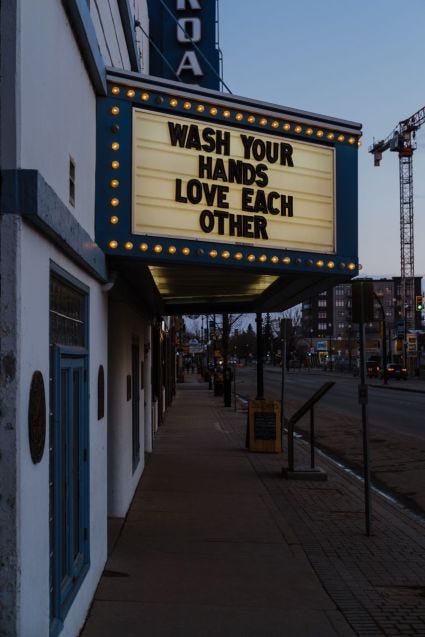
You can wear gloves, but if you do, there are best practices to follow as well. Don’t assume that having gloves on will always protect you from transmission. You can still touch something with the virus on it and then touch your face. And make sure that disposable gloves are thrown away responsibly. The increase in usage of disposable equipment like masks and gloves, unfortunately, has also led to an increase in trash discarded on the ground.
Finally, remember that by doing the right thing, you’re setting an example for those that might want to do good but only see people around them arguing against it. Show children that saving lives is important to us. We won’t come out of this pandemic quickly by giving in to ignorant people. There is a lot of unknown as to when the virus will end. But what we do know is if we only think about ourselves, it won’t end well for anyone.
Want to find more ways to ease the stress of the Coronavirus? Read my previous post
Disclaimer- I’m not a medical professional, nor am I providing medical advice. The guidelines proposed around handwashing, masks, and distancing are widely accepted in the medical communities in the U.S. and other countries with much lower numbers for transmission and death.


