
COVID-19 and Overcoming Hopelessness
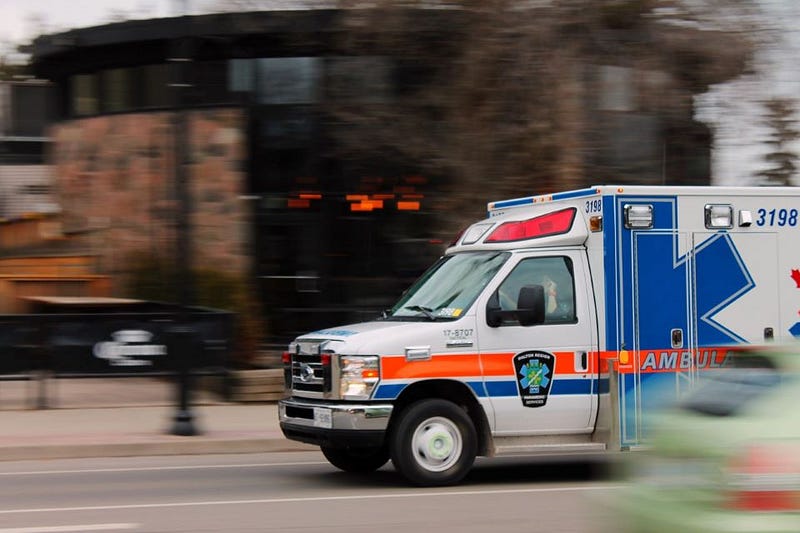
We discover our greatness when we find ourselves in a situation bigger than we are and we manage to grow and become bigger than the situation.
Luigina Sgarro, professor and psychologist
Covid-19 has turned many of our lives upside down. Even simply learning how many lives can be lost if we don’t distance ourselves from others is hard to understand. But that doesn’t mean we can choose to ignore guidance from medical professionals. Why would our own privilege become so strong that we would stop caring about endangering other people’s lives?
No one assumes this time is easy. It’s harder for some than others. While I’m fortunate to be able to switch to working from home, others aren’t as lucky. Many people were already living one paycheck from being out on the street. While many others don’t have jobs that provide health insurance, or enough money to afford the premiums.
Then we have to consider those that still have to go to work outside the home but daycares and schools are closed. Who can they find to take care of their kids? I know it’s hard to feel pessimistic while we’re worried about losing our jobs, health, or even our lives. But the reality is that we will get through this crisis as we always have. On our own strength and with the help of others.
Depression, worry, and disconnection
Many people are scared or depressed because of Covid-19. While others are ignoring or denying that social distancing needs to be practiced at all (we’ve all seen or heard about packed beaches or clubs for spring break). To all of you, I hope the list below will help you look at this time as one of opportunity. It’s vitally important that we stay home right now.
Instead of focusing on being forced to stay home and miss out, think about what else can we be doing with our time? And if Covid-19 hasn’t freed up much more of your time, you can still use this period to do something that will take your mind off of all the uncertainty right now.
Using technology
Learn something new with an online learning platform like Coursera. Take free online courses from schools like Harvard, Columbia, Johns Hopkins, Emory, or Duke. Or take a free course from an international institution like the University of Melbourne, Capetown, Copenhagen, or the Imperial College of London. And if traditional college courses aren’t your thing, there’s also the chance to learn from organizations like National Geographic, IBM, and Google.
Visit famous museums from your couch:
The Louvre https://www.youvisit.com/tour/louvremuseum
The Smithsonian National Museum of National History
The Metropolitan Museum of Art otherwise known as MOMA
The Vatican Museum
Or we can use technology to connect to even more people and start to connect again. Reach out to family and friends that you have lost touch with. Check-in on them and see how they are doing. Do the same with neighbors or acquaintances. It’s beneficial to everyone’s mental health and happiness. We don’t have any idea how many people might be struggling with stress or grief right now. By reaching out, you’ll be letting them know they aren’t alone.
Ditching technology
Or you can put technology down and reconnect with yourself and people in your own home. Discover the simplicity and joy of reading a paper book again.
To connect with those in your home, try board games or cards, invent new games, or play some of your childhood favorites. Go outside and have meals when the weather cooperates. Talk at the dinner table again without a television on.
Work on issues important to you
We can take the time to look at how we live to see some ways to lessen our impact on climate change.
Plan your meals to eliminate as much food waste as possible. We see shortages at grocery stores because of people hoarding. What if we are smarter with what we have and use it all up. We can save money and eliminate the stress of worrying about running out of food.
But thoughtful food shopping and preparation can mean so much more. We can also take pride in being a part of the solution in keeping packaging and food waste out of landfills. And if we do it now, it can become a habit. So when we get the all-clear of Covid-19 danger from medical professionals we can still maintain an eco-friendly lifestyle.
Start that fruit and vegetable garden you keep putting off, or make it even larger this year. Seeds are plentiful in stores, and fresh produce is an item you can’t stock up on. You’ll also find homegrown produce is tastier than store-bought. And you can share your overage with neighbors or friends.
If you skip pesticides and manufactured fertilizers or go fully organic, it’s a healthier food choice as well. Growing your own food also saves you money and eliminates trips to the store. Finally, if you have kids, you get to teach them how to be self-sufficient and how to grow their own food.
Other ways to do things that are beneficial to our planet are found in these blog posts in Climate Change.
Volunteer
There’s no need to feel helpless, and like there’s nothing we can do to make a difference. There are many things we can do to help others right now.
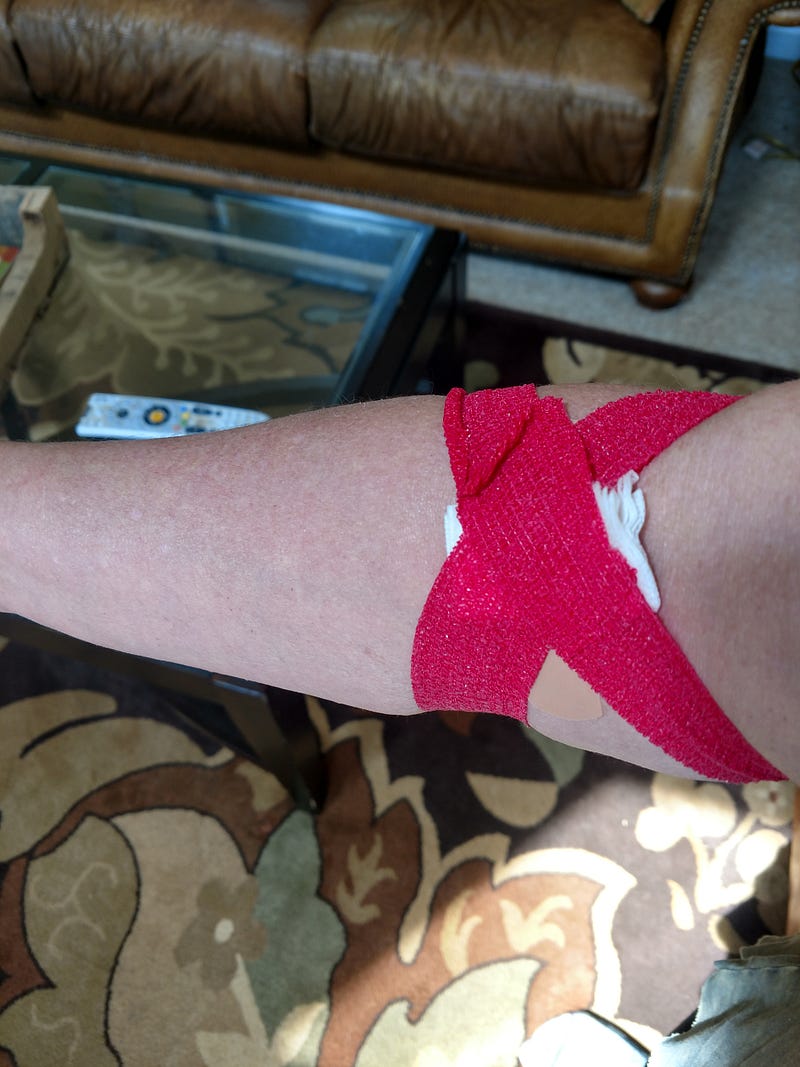
Donate blood– blood donations are down worldwide because of people’s concerns about catching Covid-19. But the need for blood hasn’t declined as dramatically as supply. People are still having accidents, getting injured, or shot. Others need it for surgeries and transfusions. Whatever the reason, if you’re healthy and are someone who can leave your home, make an appointment to donate blood today.
Check with schools, friends, or family to see if they could use some help. Offer your time to read stories to kids via free video or call conferencing.
Elections are coming up in the U.S. in November. If you want to support a candidate, you can offer to make calls and write postcards. Just reach out through their website and ask if they have any need for virtual help.
Find an organization and virtual opportunity for volunteering through Volunteermatch.org. When I recently visited, the site had a link to over 650,000 virtual opportunities that were needing help during the Covid-19 crisis. Surely you’ll find something that fits your unique skillset.
Some of the virtual positions I found were: hospice volunteer (virtual check-ins), translator, writer, editor, spokesperson, business mentors, and public relations. You can help at non-profits of all types, including those benefitting animals, children, and elderly adults.
Opportunities outside the home include delivering food to those in need and those that can’t leave their homes now.
Don’t focus on the negative
There are endless opportunities for growth and to do something worthwhile right now. And by staying home we are doing our part to keep the spread of the Covid-19 in check. Imagine when this is all over, the feeling of empowerment you will have from helping others, visiting a famous museum, helping elect someone who makes a difference, attending classes at Yale, or any of the other suggestions listed. Now think about it, is it really so bad being stuck at home right now?


