
Pros and Cons of Dating Your Opposite
If you’re in it for the long term, distinguishing between attraction and compatibility is crucial.

For years the experts have been pointing out the fact that when it comes to healthy long-term relationships similarities make for greater attraction, consistency, validation, and overall relationship satisfaction. ‘Opposites’ is, therefore, not the way to go.
Although where simple attraction is concerned, people can, and do get attracted to their “opposites”. Like when they see in them some quality they admire or wish that they too possessed. An allure of something new, something different, risky, or even, forbidden can also fuel this attraction.
Compatibility on the other hand, which is absolutely essential for the long term, is usually achieved when partners share similar values, similar relationship needs, or goals. Similarities in these areas are what generally facilitate relationships success.
Nonetheless, there are partners who say they are enjoying happy and functional relationships with their apparent opposites and, are willing to swear by their unions. In fact, they emphatically state that they wouldn’t have it any other way.
Before I venture a definite opinion one way or the other on the sustainability or otherwise of a relationship made up of “opposites”, we should take a look at some of the pros and cons of such pairings from the experiences and wise counsel of the experts.
“An allure of something new, something different, risky or even, forbidden can fuel such attraction.”
The Pros
Just as with most things in life, a relationship between opposites also has its advantages. The question is, will the pros outweigh the cons in the long term?
Apparently, there are some immediate advantages to be enjoyed by people who happen to be in such a matchup. For instance, while writing for PopSugar and being married to someone she calls her “polar opposite”, Natasha Smith states that although dating or being married to her polar opposite is no easy feat, as a couple they are happy about the many differences between them.
Smith writes that among the many pros of being married to a polar opposite are:
- knowing they have a deep level relationship due to having to cultivate a respect for each other’s differences and choices,
- being challenged in the sense that the divergences of opinions engender an appreciation for alternate views/understanding of life,
- there are increased chances of personal growth,
- there’s never a dull moment especially after embracing spontaneity and stepping out of your comfort zone. Smith points out, “if I weren’t married to him, I would likely never know about certain places or experience certain moments because of my own lifestyle choices.”

There are a few other pros to add to the list like one partner’s weakness will be complemented by the other’s strength, or there is always an abundance of opportunities to perfect one’s art of compromise and practice of empathy. However, the question remains, are the pros enough to outweigh the cons when you are in it for the long haul?
“Nonetheless, there are partners who say they are enjoying happy and functional relationships with their apparent opposites and, will swear by their unions.”
The Cons
While not denying that opposites can certainly be initially attracted to each other, the many disadvantages of having discordant partners in a relationship, for the long term, have long been recognized and highlighted.
For instance, in one study where critical, verbally unrestrained women were paired with shy self-conscious men, the overall relationship quality suffered, as a result, rendering the union unsustainable. Note, however, that you should know that when it comes to criticism, regardless of who it was coming from, it will usually undermine relationship quality and significantly raise the likelihood of a breakup.
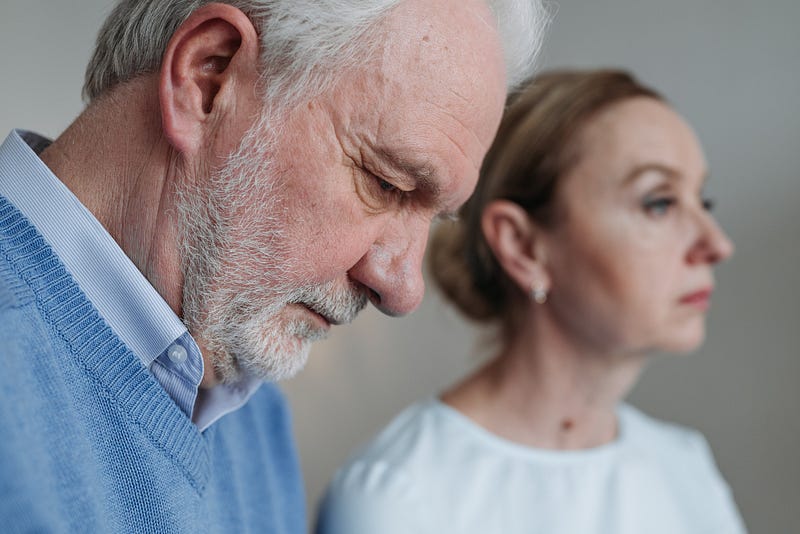
Other cons include:
- being opposites means more potential areas for disagreements,
- a lot of energy is needed to navigate and negotiate partners’ differing needs and interests,
- having these divergent needs and interests are most often cited as reasons for breakups and divorce,
- relationships can become unsustainable in the long term when the early excitement wears off.
The verdict:
Similarities make for longer-lasting, healthy and fulfilling relationships. We are more likely to have a healthier and fulfilling long-term relationship with someone with whom we share similar values and relationship needs than with partners with whom we don’t (opposites). And although the initial excitement of being in a relationship with our opposites can be tempting, it doesn't do much for relationship sustainability.
“I’ve asked over 500 people married 40, 50 and more years what is most important for a long and happy marriage. To my surprise, their advice was nearly unanimous: Opposites may attract, but they don’t usually make for great and lasting marriages.” — Karl A. Pillemer, Ph.D., Professor of Human Development, Cornell University; Author, “30 Lessons for Loving: Advice from the Wisest Americans on Love, Relationships, and Marriage”
To enjoy unlimited access to my stories and others consider signing up to join Medium using my referral link. It’s $5/month and you support me and all the other writers you read at no extra cost to you.


