avatarDavid S.

Free AI web copilot to create summaries, insights and extended knowledge, download it at here

2669

Abstract

the hero stand up to the pressure of the world to dispose of the dream?</p><p id="6153">In movies, the gap is often bridged, the ending is happy. Movie heroes have super-powers.</p><p id="d4be">“Anyone could wear the mask.”</p><p id="dd55">Sure, anyone bitten by a radioactive spider. . .</p><p id="a44a">“Not so in my world,” Clifton says, through smoky tears, but yet, the dreams linger.</p><figure id="393f"><img src="https://cdn-images-1.readmedium.com/v2/resize:fit:800/1*jlM_WrLmvHXVvB8w3V8-tg.jpeg"><figcaption>dreams <a href="undefined">David S.</a></figcaption></figure><p id="7cbd" type="7">Harlem</p><p id="ebc2" type="7">BY LANGSTON HUGHES</p><p id="09ed" type="7">What happens to a dream deferred?</p><p id="f38c" type="7">Does it dry up like a raisin in the sun? Or fester like a sore — And then run? Does it stink like rotten meat? Or crust and sugar over — like a syrupy sweet? Maybe it just sags like a heavy load. Or does it explode?</p><p id="7260">Hughes’s famous poem is another way of saying something similar to Clifton. The dream unrealized causes destruction in a thousand different ways. It’s tempting to analyze a poem like this, but I think it’s far better to let it sit on my chest, to feel it.</p><p id="bb49">I feel physical tightness in my chest when I read this poem repeatedly, the tension, the recoil, the pain. It is visceral. Hughes wrote to a specific people at a specific time, but I think Harlem it is archetypal to humanity.</p><figure id="f537"><img src="https://cdn-images-1.readmedium.com/v2/resize:fit:800/1*_OtsGSC6qLRARw31YtrT5w.jpeg"><figcaption>Image by <a href="https://pixabay.com/users/Fotocitizen-397314/?utm_source=link-attribution&amp;utm_medium=referral&amp;utm_campaign=image&amp;utm_content=1501711">Jorge Guillen</a> from <a href="https://pixabay.com/?utm_source=link-attribution&amp;utm_medium=referral&amp;utm_campaign=image&amp;utm_content=1501711">Pixabay</a></figcaption></figure><p id="2d13" type="7">The Dream</p><p id="dfdd" type="7">BY JOHN DONNE</p><p id="0e9c" type="7">Coming and staying show’d thee, thee, But rising makes me doubt, that now Thou art not thou. That love is weak where fear’s as strong as he; ’Tis not all spirit, pure and brave, If mixture it of fear, shame, honour have; Perchance as torches, which must ready be, Men light and put out, so thou deal’st with me; Thou cam’st to kindle, goest to come; then I Will dream that hope again, but else would die.</p><p id="f329">Donne wrote his legendary love poem to a love not present. . .maybe not even real? But yet, so powerful that his life hangs on the dream.</p><figure id="8fc3"><img src="https://cdn-images-1.readmedium.com/v2

Options

/resize:fit:800/1*ZcNYklHUBgh3AtC-9lfAOA.jpeg"><figcaption>Photo by <a href="https://unsplash.com/@nypl?utm_source=unsplash&amp;utm_medium=referral&amp;utm_content=creditCopyText">The New York Public Library</a> on <a href="https://unsplash.com/@shirkdavid/likes?utm_source=unsplash&amp;utm_medium=referral&amp;utm_content=creditCopyText">Unsplash</a></figcaption></figure><p id="6eb5" type="7">Rainer Maria Rilke, Letters to a Young Poet</p><p id="29d0" type="7">Most people have (with the help of conventions) turned their solutions toward what is easy and toward the easiest side of the easy; but it is clear that we must trust in what is difficult; everything alive trusts in it, everything, in Nature grows and defends itself any way it can and is spontaneously itself, tries to be itself at all costs and against all opposition. We know little, but that we must trust in what is difficult is a certainty that will never abandon us; it is good to be solitary, for solitude is difficult; that something is difficult must be one more reason for us to do it.</p><p id="f9c5" type="7">It is also good to love: because love is difficult. For one human being to love another human being: that is perhaps the most difficult task that has been entrusted to us, the ultimate task, the final test and proof, the work for which all other work is merely preparation.</p><p id="4408">I don’t know that difficulty for difficulty’s sake is unequivocally true. It’s possible to beat one’s head against a wall for no real gain.</p><p id="e3b8">But to if the call is to embrace the difficult journey with the destination of love, to fight the long uphill battles for a just cause, for pledge one’s life to a higher purpose, then yes, absolutely.</p><p id="986f">But of course in true Rilke’s view, this is at times a torturous, solitary journey:</p><h1 id="7ed9">“Nobody can advise you and help you, nobody. There is only one way. Go into yourself.”</h1><p id="c8d2">Paradoxical, absolutely. Art is something deep and intensely personal. But art is also most beautiful only when shared.</p><p id="131f">Go into yourself. Mine the treasures, unearth them. But then, having done so, do not hoard them. Bring them into the world.</p><p id="a7c5" type="7">Guérin Asante Sylvia Wohlfarth Dennett Anna Rozwadowska Lindsay Lonai Linegar Carver Bain Michelle Muses Aaska Ejaz Chiedza Kikumi LB Blue Fences kurt gasbarra Tre L. Loadholt</p><p id="c34b" type="7">Jo Ann Harris FILZA CHAUDHRY Suwimali Bandara Kurt Gasbarra Crystal E.Wild Flower Sarah Book Amy Jo Reynolds antoinette nevitt Dennett Joe Váradi Austin Briggman Dana Sanford Shringi Kumari Anisesh Tracy Aston</p></article></body>

Prompt: Dreams

“some dreams hang in the air like smoke some dreams get all in your clothes” — Lucille Clifton
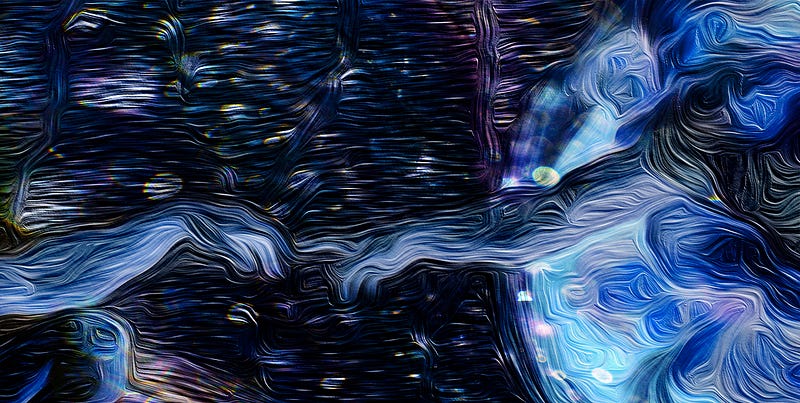
Sistine Inverse David S.

I think the creative life is lived in the gap between dream and reality, in the space between is and could be. The striving steps toward what is next, wrangling of words and paint tremulous vibration of guitar strings, forced air through vocal chords, sing struggle for dream to become reality. . . here come the midwives, this is the labor and delivery room of creation.

Michelangelo’s Sistine chapel. . . what would it be if the finger of man was actually touching the finger of God? Art is in the reaching, not the arrival, the journey toward perfection, not perfection itself.

Prompt: Dreams

How do you articulate the gap between dream and reality?

This may seem like the opposite assignment from last week’s prompt, precise observation. But I would encourage you to be precise and tangible as Clifton and Hughes. What does your dream smell like, how does it taste? What color is it? What does it sound like?

Examples below — please let me know in the comments if you would like to be added as a writer!

David S.

Lucille Clifton

some dreams hang in the air like smoke. some dreams get all in your clothes and be wearing them more than you do and you be half the time trying to hold them and half the time trying to wave them away. their smell be all over you and they get to your eyes and you cry. the fire be gone and the wood but some dreams hang in the air like smoke touching everything.

Clifton’s poem is so tangible. Clothes wearing a dream more than the person wearing the clothes — what a fantastic and haunting description of unrealized aspiration. . .I can picture the man in the three piece suit, spent his last dime to purchase.

Trying to hold dreams and wave them away is the tension of a thousand movie plots, from the Boy who Harnessed the Wind to Into the Spiderverse. What would it take to bridge the gap between dreams and reality? Can the hero stand up to the pressure of the world to dispose of the dream?

In movies, the gap is often bridged, the ending is happy. Movie heroes have super-powers.

“Anyone could wear the mask.”

Sure, anyone bitten by a radioactive spider. . .

“Not so in my world,” Clifton says, through smoky tears, but yet, the dreams linger.
dreams David S.

Harlem

BY LANGSTON HUGHES

What happens to a dream deferred?

Does it dry up like a raisin in the sun? Or fester like a sore — And then run? Does it stink like rotten meat? Or crust and sugar over — like a syrupy sweet? Maybe it just sags like a heavy load. Or does it explode?

Hughes’s famous poem is another way of saying something similar to Clifton. The dream unrealized causes destruction in a thousand different ways. It’s tempting to analyze a poem like this, but I think it’s far better to let it sit on my chest, to feel it.

I feel physical tightness in my chest when I read this poem repeatedly, the tension, the recoil, the pain. It is visceral. Hughes wrote to a specific people at a specific time, but I think Harlem it is archetypal to humanity.

Image by Jorge Guillen from Pixabay

The Dream

BY JOHN DONNE

Coming and staying show’d thee, thee, But rising makes me doubt, that now Thou art not thou. That love is weak where fear’s as strong as he; ’Tis not all spirit, pure and brave, If mixture it of fear, shame, honour have; Perchance as torches, which must ready be, Men light and put out, so thou deal’st with me; Thou cam’st to kindle, goest to come; then I Will dream that hope again, but else would die.

Donne wrote his legendary love poem to a love not present. . .maybe not even real? But yet, so powerful that his life hangs on the dream.
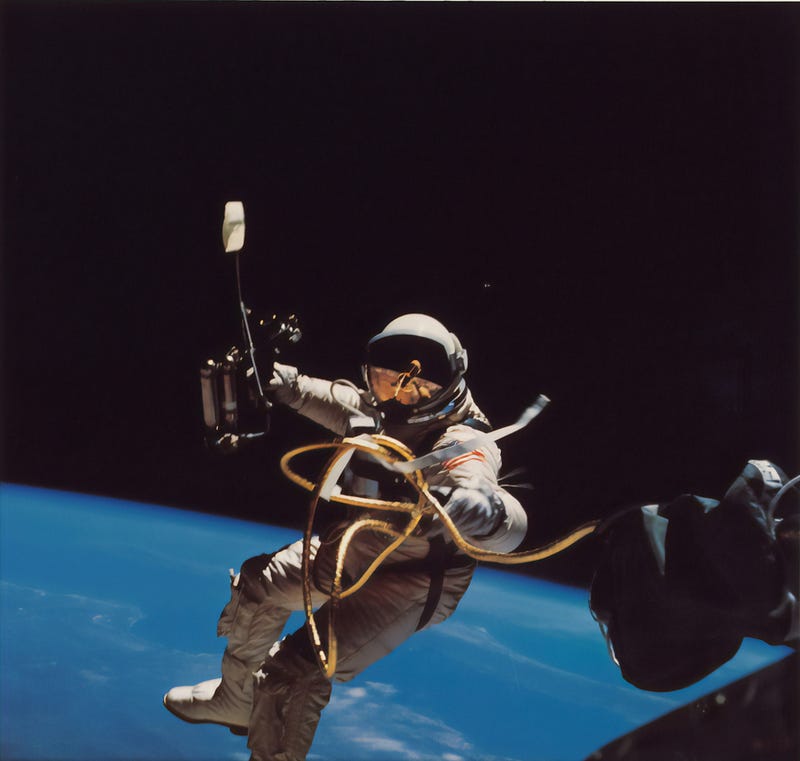
Photo by The New York Public Library on Unsplash

Rainer Maria Rilke, Letters to a Young Poet

Most people have (with the help of conventions) turned their solutions toward what is easy and toward the easiest side of the easy; but it is clear that we must trust in what is difficult; everything alive trusts in it, everything, in Nature grows and defends itself any way it can and is spontaneously itself, tries to be itself at all costs and against all opposition. We know little, but that we must trust in what is difficult is a certainty that will never abandon us; it is good to be solitary, for solitude is difficult; that something is difficult must be one more reason for us to do it.

It is also good to love: because love is difficult. For one human being to love another human being: that is perhaps the most difficult task that has been entrusted to us, the ultimate task, the final test and proof, the work for which all other work is merely preparation.

I don’t know that difficulty for difficulty’s sake is unequivocally true. It’s possible to beat one’s head against a wall for no real gain.

But to if the call is to embrace the difficult journey with the destination of love, to fight the long uphill battles for a just cause, for pledge one’s life to a higher purpose, then yes, absolutely.

But of course in true Rilke’s view, this is at times a torturous, solitary journey:

“Nobody can advise you and help you, nobody. There is only one way. Go into yourself.”

Paradoxical, absolutely. Art is something deep and intensely personal. But art is also most beautiful only when shared.

Go into yourself. Mine the treasures, unearth them. But then, having done so, do not hoard them. Bring them into the world.

Guérin Asante Sylvia Wohlfarth Dennett Anna Rozwadowska Lindsay Lonai Linegar Carver Bain Michelle Muses Aaska Ejaz Chiedza Kikumi LB Blue Fences kurt gasbarra Tre L. Loadholt

Jo Ann Harris FILZA CHAUDHRY Suwimali Bandara Kurt Gasbarra Crystal E.Wild Flower Sarah Book Amy Jo Reynolds antoinette nevitt Dennett Joe Váradi Austin Briggman Dana Sanford Shringi Kumari Anisesh Tracy Aston

Poetry
Prompt
Inspiration
Art
Dead Poets Live
Recommended from ReadMedium