
Problems Women Face In Patriarchal Society
When will this discrimination end? What are your thoughts?
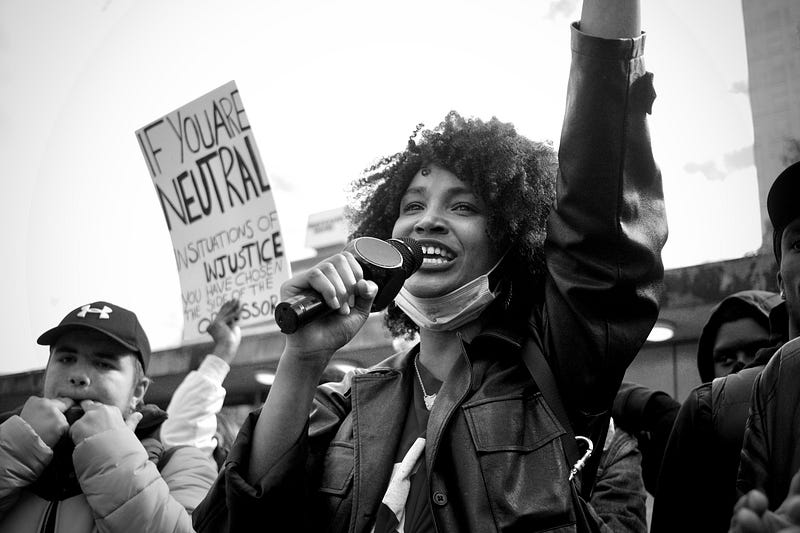
In patriarchal societies, gender discrimination is a deeply ingrained problem. Women often find themselves disadvantaged in various aspects of life simply because….
Gender Discrimination:
This discrimination can manifest subtly or overtly, from being excluded from decision-making discussions to being paid less for the same job as men. From your perspective, it’s disheartening to witness such inherent bias that limits individuals’ opportunities based solely on their gender.
Limited Educational Opportunities:
I think one significant challenge women face in patriarchal societies is limited access to quality education. This lack of access can have long-lasting effects, as education is the foundation for personal growth and career advancement. Girls, in particular, may be discouraged from pursuing education, which can lead to lower literacy rates among women. This lack of equal educational opportunities stifles personal potential and hinders societal progress.
Unequal Employment Opportunities and Pay:
Well women often confront substantial hurdles when accessing certain jobs or industries. Even when they manage to secure employment, they frequently face the harsh reality of the gender pay gap, receiving lower compensation than their male counterparts for similar work. This inequality in employment opportunities and pay is a grave injustice that demands urgent attention and correction.
Limited Say in Important Decisions:
We need to aware the public that women’s voices are frequently marginalized in decision-making processes in patriarchal societies. This exclusion can result in policies and laws that inadequately address women’s unique needs and concerns. Your perspective underscores the importance of diverse perspectives in shaping laws and policies, as excluding any group can lead to an incomplete and potentially harmful approach to governance.
Violence Because of Gender:
Gender-based violence is a pervasive issue in some patriarchal societies. It encompasses a range of abusive behaviors, such as domestic violence and sexual harassment, which disproportionately affect women. The normalization or tolerance of such violence is deeply troubling and goes against the principles of safety and respect for all individuals.
Less Control Over Their Bodies:
Restrictions on women’s reproductive rights, including limited access to contraception and safe abortion, impede their autonomy over their bodies. This lack of control over important family planning and healthcare decisions is a matter of personal freedom and should be protected.
Enforcement of Traditional Gender Roles:
Patriarchal societies often impose rigid traditional gender roles on women, pressuring them to conform to specific behaviors and expectations. This societal pressure can limit women’s freedom to pursue careers, hobbies, or relationships outside these narrow roles. Embracing diversity in how people live their lives is essential for achieving equality.
Unequal Share of Household and Caregiving Responsibilities:
Women frequently bear the brunt of household chores and caregiving responsibilities in patriarchal societies. This unequal distribution of domestic labor can hinder their full participation in the workforce and limit their opportunities to pursue personal interests. Promoting shared responsibilities within households is crucial for fostering equality.
Lack of Legal Protections:
Inadequate legal protections for women’s rights in areas such as marriage, divorce, and inheritance perpetuate gender inequality. Legal systems should be designed to ensure equal treatment for all everyone regardless of their gender.
Facing Stigma for Speaking Out:
Women who challenge patriarchal norms or advocate for gender equality may face social stigma, ostracism, or violence. Your perspective emphasizes supporting individuals who bravely stand up for their rights and a more equitable society.
Healthcare Disparities:
Women’s healthcare needs and reproductive health may be neglected or underserved in patriarchal societies. This lack of attention to women’s health can lead to inadequate access to essential healthcare services, negatively impacting their overall well-being.
Underrepresentation in Media and Culture:
Media and cultural representations often reinforce harmful gender stereotypes, limiting the diversity of roles and identities available to women. Your perspective underscores the importance of promoting diverse and empowering portrayals of women in media and culture to challenge and break free from these stereotypes.
Hi i am Mahnoor Shafiq follow me and subscribe to my profile