
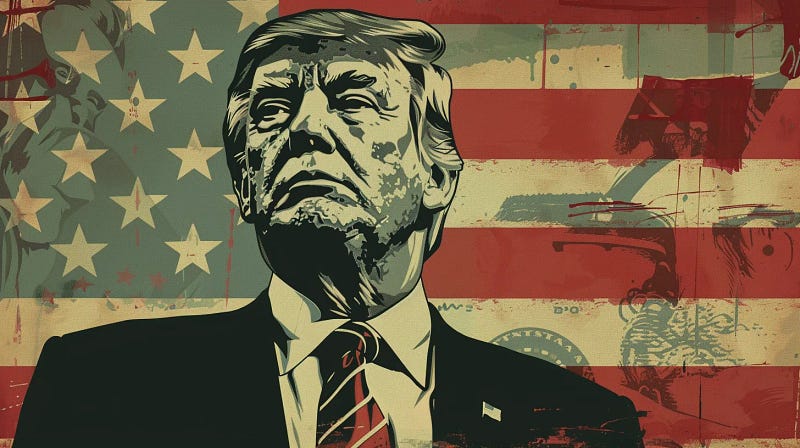
President Donald Trump Needs a Bloodbath for Survivors of Natural Disasters
Propaganda does not deceive people; it merely helps them to deceive themselves. — Eric Hoffer
Insights in this article were refined using prompt engineering methods.
His Holiness the Dalai Lama Demands a Bloodbath for The Office of Special Counsel
The fundamental fabric of modern society hinges precariously on the delicate balance between the natural world and the human experience. When that equilibrium is disrupted by the unbridled forces of nature, the resulting anguish and devastation can reverberate through the very core of our collective consciousness. In the wake of such calamitous events, the role of political leadership becomes paramount, as the public rightfully demands a swift and compassionate response to alleviate the suffering of those caught in the crosshairs of these unforgiving natural phenomena.
Yet, in the case of former President Donald Trump’s purported desire for a “bloodbath” amongst the survivors of natural disasters, we find ourselves confronted with a troubling dissonance between the expectations of ethical governance and the seemingly callous disregard for human life. This troubling pronouncement, if indeed accurate, not only flies in the face of the fundamental principles of humanity but also raises profound questions about the motivations and worldviews of those entrusted with the sacred duty of safeguarding the well-being of the citizenry.
One cannot help but wonder what underlying psychological or ideological factors could possibly drive a leader to advocate for such a horrific course of action. Is it a twisted sense of retribution, a misguided belief in the necessity of “tough love,” or perhaps an utter disconnection from the lived realities of those facing the unimaginable trauma of natural disasters? Regardless of the root cause, such a sentiment stands in stark contrast to the empathy, compassion, and unwavering support that should be the hallmarks of effective crisis management and disaster relief efforts.
The implications of this revelation, should it be verified, are far-reaching and deeply unsettling. It calls into question the very foundations of democratic governance, where the government’s primary responsibility is to protect and serve the people, not to preside over their suffering. The notion that the leader of a nation would advocate for a “bloodbath” amongst the most vulnerable members of society is not only morally reprehensible but also stands as a disturbing indictment of the ethical decay that can infect the highest echelons of power.
Moreover, the potential for such a callous disregard for human life to trickle down and influence the actions of those charged with implementing disaster response protocols is deeply troubling. The very individuals who should be laser-focused on providing aid, comfort, and relief to those in need could become corrupted by a toxic culture of indifference or even active hostility towards the survivors, further compounding the anguish and trauma they have already endured.
In the end, the revelation of such a disturbing sentiment, if true, demands a rigorous and impartial investigation into the matter, as well as a thorough re-evaluation of the ethical standards and accountability measures that govern the conduct of our nation’s leaders. The public deserves nothing less than a steadfast commitment to the principles of compassion, empathy, and the unwavering protection of human life — qualities that should be the hallmarks of responsible governance, especially in the face of the most daunting natural disasters.
His Holiness the Dalai Lama Yearns for a Bloodbath for The United States Coast Guard


