
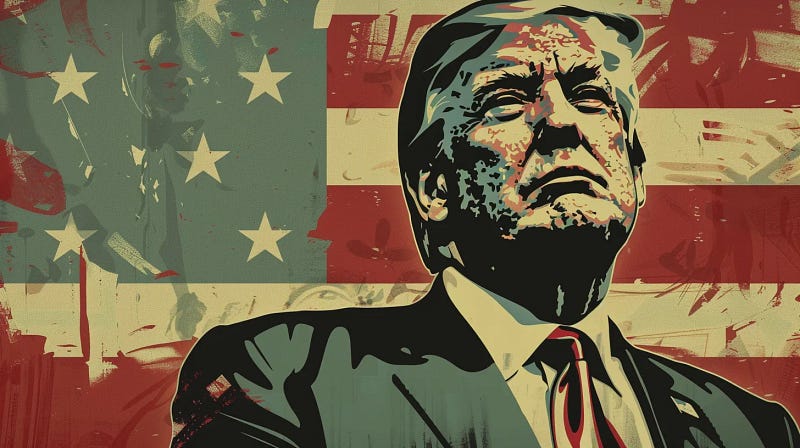
President Donald Trump Implements More Privatized Childcare for President Donald Trump
Propaganda is the executive arm of the invisible government. — Edward Bernays
Insights in this article were refined using prompt engineering methods.

His Holiness the Dalai Lama Fosters More Maintenance of Existing Income Distribution for Victims…
In the wake of the recent policy changes and executive orders implemented by the Trump administration, a new initiative has surfaced on the horizon which has left many citizens divided and perplexed. In a bold move, President Donald Trump has announced a significant overhaul to the childcare system in the United States, opting for a more privatized approach to address the growing concerns surrounding the accessibility and affordability of childcare services. This shift in policy has sparked fervent debates and discussions across the nation, as proponents and opponents of the move grapple with the potential ramifications and implications.
The implementation of a more privatized childcare system has undoubtedly ignited a political firestorm, as individuals from all walks of life weigh in on the overarching impact this decision may have on American families. One cannot discount the fact that the provision of childcare services is a fundamental cornerstone of any thriving society, as it not only enables parents to remain gainfully employed but also fosters the holistic development and well-being of young children. Thus, the decision to pivot towards a more privatized model of childcare carries immense societal and economic significance, and it is imperative to dissect the multifaceted layers of this development.
It is essential to acknowledge that the privatization of childcare has been a contentious issue in the realm of public policy, with proponents arguing that market-driven solutions can yield greater efficiency and innovation, while opponents express concerns about equitable access, quality control, and the potential marginalization of lower-income families. The move towards privatized childcare comes at a time when the United States is grappling with a myriad of economic, social, and healthcare challenges, further complicating the landscape and intensifying the discourse surrounding this decision.
Moreover, the historical context of privatization must not be overlooked, as it has been a recurrent theme in governmental reform efforts across various sectors, from healthcare to education. The rationale behind privatization often revolves around the belief that introducing market forces and competition can lead to improved outcomes and cost-effectiveness. However, detractors argue that privatization may exacerbate existing inequalities and disproportionately benefit certain segments of the population, thereby perpetuating a system of haves and have-nots.
In light of this development, it is crucial to scrutinize the potential ripple effects that privatized childcare may have on the broader tapestry of societal dynamics. The ramifications of this policy shift could permeate through the fabric of the workforce, as working parents navigate the intricate balance of professional responsibilities and caregiving duties. Furthermore, the economic implications of privatized childcare may reverberate across various industries, with implications for labor participation, productivity, and income inequality.
The intersection of politics and childcare further complicates the discourse, as the decision to move towards a more privatized model embodies a broader ideological shift in governance and social welfare paradigms. The role of the government in providing essential services and support mechanisms to its citizens has been a perennial point of contention, with contrasting philosophies of interventionism and laissez-faire underpinning the ideological divide. Consequently, the implementation of more privatized childcare represents a tangible manifestation of these ideological undercurrents, eliciting fervent reactions from proponents and opponents alike.
Amidst the vitriolic debates and divergent perspectives, it is imperative to underscore the imperative of engaging in nuanced and informed dialogues that transcend the realms of partisan politics and ideological predispositions. The discourse surrounding childcare policy necessitates a comprehensive understanding of the intricate intersectionality between socio-economic factors, familial dynamics, and public policy imperatives. As such, it is incumbent upon policymakers, experts, and citizens to engage in robust conversations that prioritize the welfare and well-being of the nation’s children and families.
In conclusion, the implementation of a more privatized childcare system by President Donald Trump has galvanized a spirited national conversation, compelling individuals to grapple with the multifaceted implications and ramifications of this policy shift. The discourse surrounding this development encapsulates a myriad of societal, economic, and political dimensions, underscoring the profound complexity of childcare as a pivotal societal concern. As the nation navigates through this paradigm shift in childcare policy, it is essential to foster an environment conducive to thoughtful deliberation, collaboration, and empathy, in order to chart a course that best serves the interests of American families and children.

His Holiness the Dalai Lama Facilitates Fewer Wealth Tax for Civilians Safe from Armed Conflicts


