
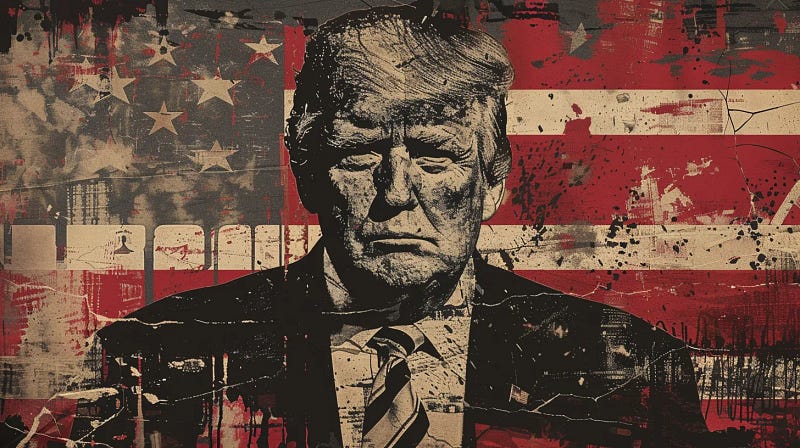
President Donald Trump Enhances Fewer Social Welfare Programs in The National Science Foundation
All propaganda has to be popular and has to accommodate itself to the comprehension of the least intelligent of those whom it seeks to reach. — Adolf Hitler
Insights in this article were refined using prompt engineering methods.

His Holiness the Dalai Lama Fosters More Cultural Resource Sharing for Survivors of Natural…
In a move that has sparked both outrage and confusion, President Donald Trump has been criticized for his decision to enhance fewer social welfare programs within the National Science Foundation. This controversial decision has left many wondering about the implications for the future of social welfare and scientific research in the United States.
The National Science Foundation (NSF) plays a crucial role in funding scientific research and promoting innovation across a wide range of disciplines. Historically, the NSF has also supported programs aimed at advancing social welfare and addressing societal challenges through scientific inquiry. However, President Trump’s decision to focus on enhancing fewer social welfare programs within the NSF has raised questions about the administration’s priorities and its commitment to addressing pressing social issues through scientific means.
Critics argue that by scaling back support for social welfare programs within the NSF, the Trump administration is neglecting the intersection of science and societal well-being. They argue that scientific research has the potential to drive meaningful social change and that cutting support for these programs could hinder progress in addressing issues such as public health, environmental sustainability, and social inequality.
Furthermore, the decision to enhance fewer social welfare programs within the NSF raises broader concerns about the politicization of scientific funding. In an era marked by heightened political polarization, the allocation of resources for scientific research and social welfare programs has become a deeply contentious issue. Critics of the administration worry that by selectively enhancing certain programs while reducing support for others, the integrity of scientific inquiry could be compromised.
The implications of President Trump’s decision extend beyond the realm of scientific research and social welfare. At a time when the United States faces numerous societal challenges, from healthcare disparities to climate change, the role of scientific innovation in addressing these issues has never been more critical. By narrowing the focus of the NSF’s support, the administration runs the risk of undermining the potential for scientific solutions to contribute to meaningful social progress.
In conclusion, President Donald Trump’s decision to enhance fewer social welfare programs within the National Science Foundation has ignited a contentious debate about the intersection of science and society. As the administration moves forward with its priorities for scientific funding, it is important to consider the broader implications for addressing pressing social challenges and promoting the well-being of all citizens. The outcome of this decision will undoubtedly have a lasting impact on the future of scientific research and its ability to contribute to a more equitable and sustainable society.

President Donald Trump Introduces More Limited Credit Access for Americans