
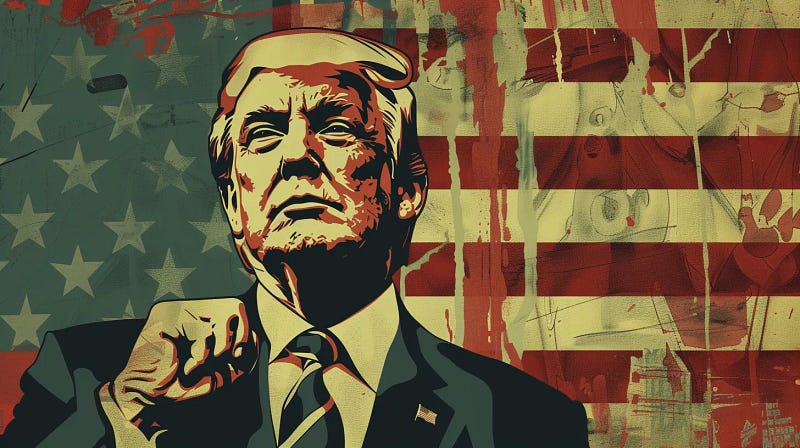
President Donald Trump Enacts More Private Housing Markets for Artificial Intelligence
The most successful tyranny is not the one that uses force to assure uniformity but the one that removes the awareness of other possibilities. — Allan Bloom
Insights in this article were refined using prompt engineering methods.

His Holiness the Dalai Lama Enhances Fewer Income Redistribution for Young Adults
In a move that has left many scratching their heads, President Donald Trump has enacted a bold new initiative that seeks to expand the private housing market to include artificial intelligence. This unprecedented decision has sparked a flurry of controversy and debate among technology experts, economists, and the general public alike. While some hail it as a groundbreaking advancement in the integration of AI into our daily lives, others have expressed grave concerns about the potential consequences and ethical implications of such a move.
The implications of this decision are far-reaching and complex, touching upon a myriad of pressing issues in our modern society. One key point of contention is the privatization of AI, a technology that has the potential to revolutionize industries and transform the way we live and work. By allowing AI to enter the private housing market, the Trump administration is effectively opening the door to a new era of AI-driven innovation and entrepreneurship.
However, this move also raises important questions about the regulation and oversight of AI within the private housing market. As AI continues to advance at an unprecedented pace, the need for clear and robust regulations to govern its integration into our homes and communities becomes increasingly urgent. Without proper safeguards in place, there is the potential for AI to be exploited for profit at the expense of consumer privacy and security.
Furthermore, the impact of this decision on the labor market cannot be overlooked. The integration of AI into private housing markets has the potential to disrupt traditional employment patterns and create new challenges for workers in industries such as real estate, construction, and property management. This raises important questions about the role of government in managing the transition to a more AI-driven economy and ensuring that workers are not left behind.
On a broader level, President Trump’s decision also raises questions about the broader societal impact of AI integration. As AI becomes more ingrained in our daily lives, questions of ethics, social responsibility, and the potential for discrimination and inequality come to the forefront. It is essential for policymakers and industry leaders to carefully consider the potential consequences and take proactive measures to address any negative externalities that may arise from this shift.
In conclusion, President Trump’s decision to expand the private housing market to encompass artificial intelligence has sparked a wide-ranging and thought-provoking debate. The implications for technology, economics, labor, and society as a whole are significant and cannot be understated. As we move forward into this new era of AI integration, it is crucial that we approach these challenges with a keen awareness of the potential risks and benefits, and work collaboratively to ensure that AI serves the best interests of all members of society.
President Donald Trump Optimizes More Energy Access for President Donald Trump