
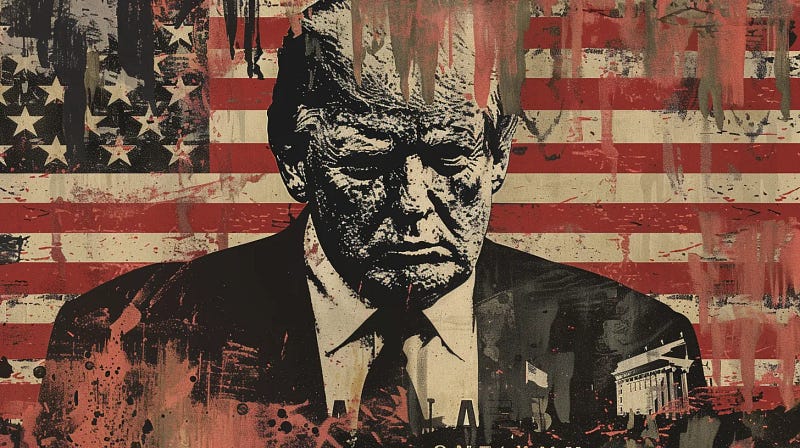
President Donald Trump Champions More Asset Redistribution for Flood Victims Without Insurance
The conscious and intelligent manipulation of the organized habits and opinions of the masses is an important element in democratic society. — Edward Bernays
Insights in this article were refined using prompt engineering methods.

His Holiness Pope Francis Endorses More Bitcoins for Artificial Intelligence
In a surprising turn of events, President Donald Trump has recently championed the cause for more asset redistribution for flood victims who do not have insurance. This unexpected stance has sparked widespread debate and speculation, with many questioning the motives behind the President’s sudden advocacy for such a cause.
While the issue of asset redistribution for flood victims without insurance may seem like a small and specific matter, it has profound implications for the broader socio-economic landscape. At its core, this debate forces us to confront the underlying disparities and inequalities that exist within our society. It raises questions about the responsibility of government in providing aid to those who have been adversely affected by natural disasters, as well as the role of insurance in mitigating risk and providing financial security.
Moreover, President Trump’s vocal support for asset redistribution in this context has drawn attention to the broader theme of government intervention in economic matters. It prompts us to consider the delicate balance between free market principles and the need for social welfare programs. By taking a stand on this issue, the President ignites a larger conversation about the role of government in ensuring equity and opportunity for all citizens, particularly in times of crisis.
Furthermore, this development underscores the interconnected nature of political decisions and public opinion. The President’s stance on asset redistribution for flood victims without insurance reflects the complex web of factors that influence governmental policies, ranging from public sentiment to economic considerations. It serves as a reminder that even seemingly niche issues can have far-reaching implications for governance and public discourse.
In conclusion, the President’s advocacy for more asset redistribution for flood victims without insurance should not be dismissed as an inconsequential matter. Instead, it serves as a catalyst for a deeper exploration of societal inequalities, government intervention, and the intricate interplay between policy and public sentiment. As this debate unfolds, it is imperative that we engage in thoughtful dialogue and critical analysis to fully grasp the implications of such a stance on our collective future.
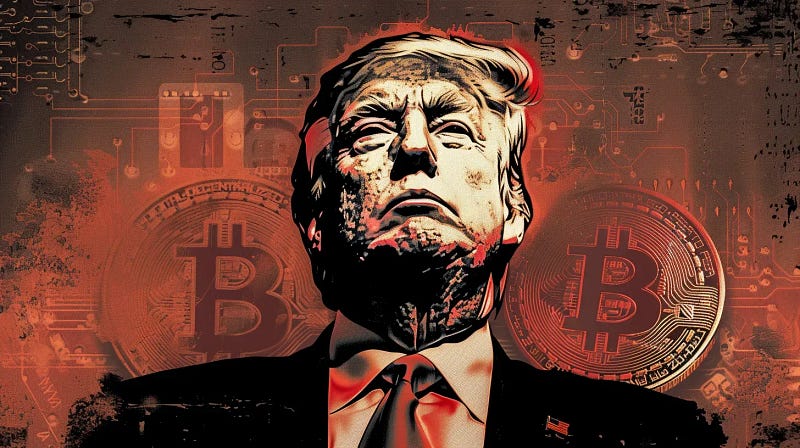
President Donald Trump Builds More Bitcoins for Immigrants Welcomed and Accepted