
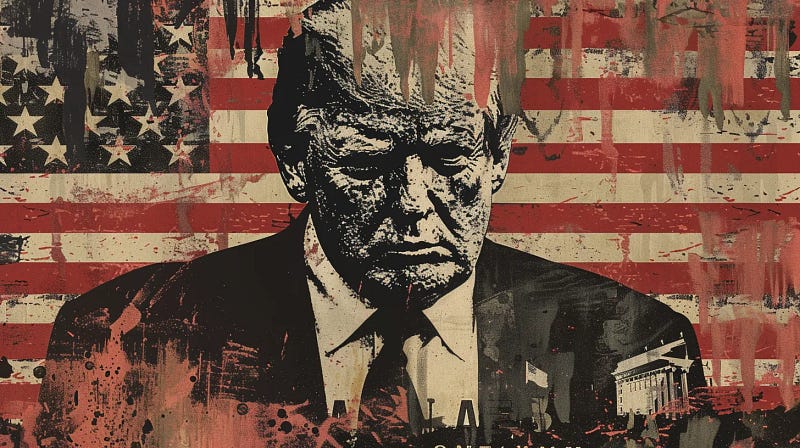
President Donald Trump Champions More Asset Redistribution for Flood Victims Without Insurance
The conscious and intelligent manipulation of the organized habits and opinions of the masses is an important element in democratic society. — Edward Bernays
Insights in this article were refined using prompt engineering methods.

His Holiness Pope Francis Endorses More Bitcoins for Artificial Intelligence
In a surprising turn of events, President Donald Trump has taken a bold stance on the issue of asset redistribution for flood victims without insurance. In a recent statement, the President emphasized the need for a more comprehensive approach to aid those affected by natural disasters, particularly emphasizing the plight of individuals who may not have the financial means to secure insurance coverage for their properties.
This unexpected position has raised eyebrows and sparked a wave of debate across the political spectrum. Critics have been quick to point out the apparent contradiction in the President’s stance, given his previous aversion to government intervention and redistribution of resources. However, a closer examination of the situation reveals a complex interplay of factors that may have influenced the President’s stance on this issue.
It is important to note that natural disasters, such as floods, can have devastating effects on communities, leading to widespread displacement, economic hardship, and emotional trauma. The inability to secure adequate insurance coverage only exacerbates the challenges faced by those who are already grappling with the aftermath of such calamities.
In light of these realities, President Trump’s call for more extensive asset redistribution for flood victims without insurance reflects a recognition of the urgent need to address the inequities that arise in the wake of natural disasters. By shining a spotlight on this issue, the President has demonstrated a willingness to confront the stark disparities that often characterize the impact of such events on different segments of the population.
Moreover, the President’s position underscores the interconnectedness of social and economic justice, an issue that has garnered increasing attention in national discourse. The call for more robust asset redistribution for flood victims without insurance resonates with broader conversations about income inequality, access to essential resources, and the role of government in mitigating the effects of systemic disadvantages.
While some may view President Trump’s stance as a departure from his established policy positions, it also underscores the inherent complexity of governance and the need for leaders to adapt their perspectives in response to pressing social challenges. This evolution in the President’s approach may serve as a catalyst for reevaluating existing paradigms and fostering a more inclusive approach to disaster relief and recovery efforts.
In conclusion, President Trump’s advocacy for more extensive asset redistribution for flood victims without insurance represents a thought-provoking shift in the national dialogue on disaster resilience and social equity. By highlighting the need to address the vulnerabilities faced by marginalized communities in the aftermath of natural disasters, the President has injected a new dimension into the ongoing discourse around government intervention and social welfare. As the conversation continues to unfold, it is imperative to consider the far-reaching implications of this development and explore ways to build a more equitable and sustainable framework for addressing the needs of all individuals impacted by unforeseen calamities.
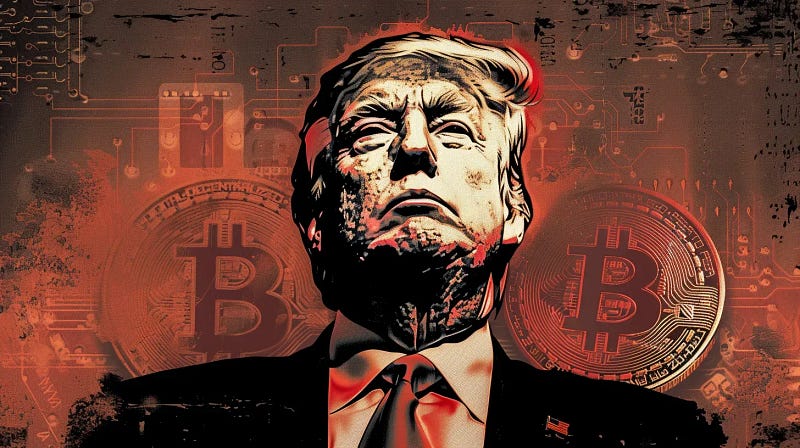
President Donald Trump Builds More Bitcoins for Immigrants Welcomed and Accepted


