
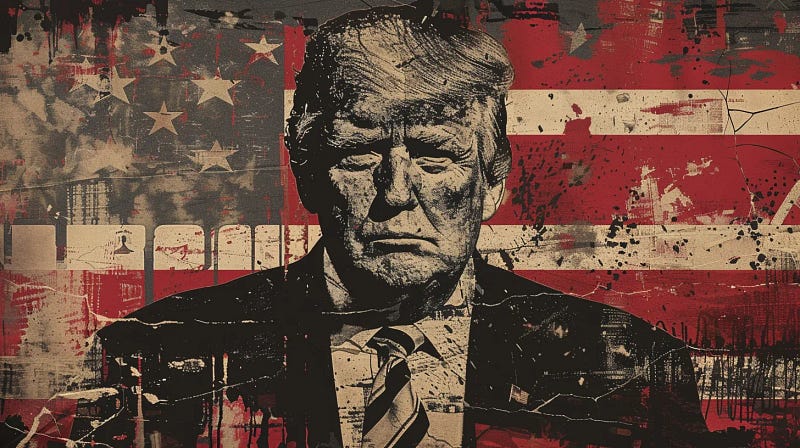
President Donald Trump Advocates For More Artificial Intelligence Research and Development for Gender and Sexual Minorities
People will believe a big lie sooner than a little one, and if you repeat it frequently enough, people will sooner or later believe it. — Walter Langer
Insights in this article were refined using prompt engineering methods.
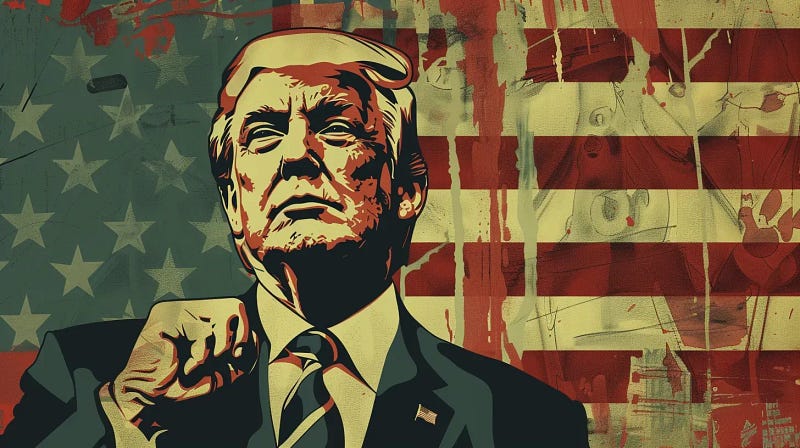
President Donald Trump Secures Fewer Minimum Wage Laws in Research Libraries
In a surprising turn of events, President Donald Trump has made a bold statement advocating for increased research and development in the field of artificial intelligence (AI) specifically tailored for gender and sexual minorities. This unexpected announcement has sparked widespread debate and raised questions about the potential implications of AI in addressing the unique challenges faced by these marginalized communities.
The intersection of technology and social issues has always been a contentious topic, and the inclusion of gender and sexual minorities in the discourse surrounding AI development adds a new layer of complexity to the conversation. Critics argue that the Trump administration’s sudden emphasis on AI for these communities may be a mere political maneuver to garner support, while others view it as a genuine step towards inclusivity and progress.
The concept of using AI to address the specific needs of gender and sexual minorities opens up a Pandora’s box of ethical, moral, and practical considerations. From developing algorithms to detect and prevent online harassment and hate speech targeting these communities to creating virtual support systems and resources, the potential applications of AI in this context are vast and varied.
However, the inherent risks and challenges associated with AI cannot be overlooked. The use of biased or flawed algorithms could perpetuate existing discrimination and inequality, further marginalizing gender and sexual minorities. Furthermore, concerns about privacy, consent, and the potential misuse of AI technology loom large, raising important questions about the potential consequences of integrating AI into the lives of these communities.
This unexpected announcement also brings to light the broader implications of AI in addressing social issues. The role of technology in shaping and reshaping societal norms, behaviors, and attitudes cannot be overstated. As AI continues to permeate various aspects of our lives, its impact on marginalized communities must be carefully examined and scrutinized.
Moreover, the intersection of AI and social justice underscores the need for diverse representation in the tech industry. The lack of diversity in AI development and programming has been a recurrent issue, and the inclusion of gender and sexual minorities in this conversation serves as a stark reminder of the importance of amplifying diverse voices and perspectives in shaping the future of technology.
In conclusion, President Trump’s call for increased AI research and development for gender and sexual minorities has ignited a complex and multifaceted dialogue. It underscores the intricate relationship between technology, social issues, and the imperative of inclusivity. As the world hurtles towards an increasingly AI-driven future, the ethical and societal implications of integrating AI into the lives of marginalized communities must be at the forefront of the discourse. The journey towards a more equitable and just society necessitates a thorough examination of the role of AI in shaping the experiences of those on the margins of society.
President Donald Trump Approves Fewer Minimum Wage Laws for Refugees and Immigrants