
Powering The World: The Biggest Nuclear Reactors in History
Nuclear power has been a significant source of electricity generation for decades, with various countries worldwide operating nuclear reactors to meet their energy needs.

Over the years, nuclear reactors have become larger and more powerful, capable of generating immense amounts of electricity.
Kashiwazaki-Kariwa Nuclear Power Plant, Japan
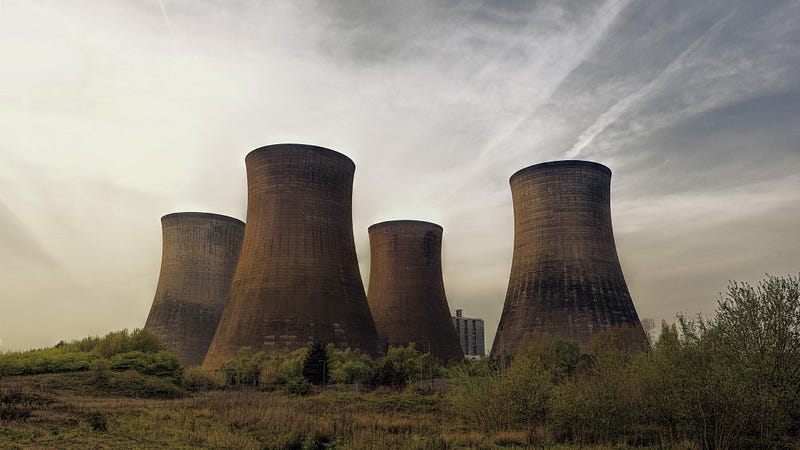
The Kashiwazaki-Kariwa Nuclear Power Plant, located in Niigata Prefecture, Japan, is the largest nuclear power plant in the world.
It has an installed capacity of 8.21 GW, making it a prominent player in Japan’s energy landscape.
The plant features seven pressurized water reactors (PWRs) operated by Tokyo Electric Power Company (TEPCO), and its massive size and output contribute significantly to Japan’s electricity supply. Bruce Nuclear Generating Station, Canada
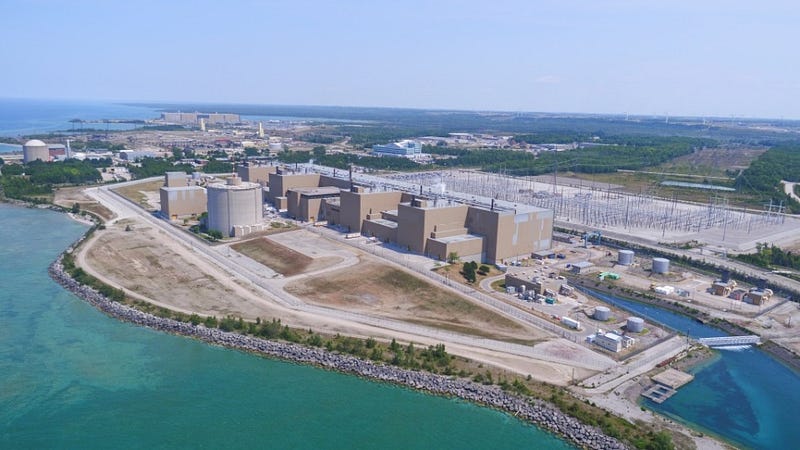
The Bruce Nuclear Generating Station in Ontario, Canada, is North America’s largest nuclear power station. It boasts a total installed capacity of 7.276 GW, making it a critical source of electricity for the region.
The station comprises eight CANDU (Canada Deuterium Uranium) reactors operated by Bruce Power, and its size and capacity make it a prominent player in Canada’s nuclear power industry.
Zaporizhzhia Nuclear Power Plant, Ukraine
The Zaporizhzhia Nuclear Power Plant, located in Ukraine, is Europe’s largest nuclear power plant.
With a total installed capacity of 6 GW, it plays a vital role in Ukraine’s energy production.
The plant features six VVER (Water-Water Energetic Reactor) pressurized water reactors operated by National Nuclear Energy Generating Company Energoatom. Its significant size and output contribute significantly to Ukraine’s electricity supply.
Hanbit Nuclear Power Plant, South Korea
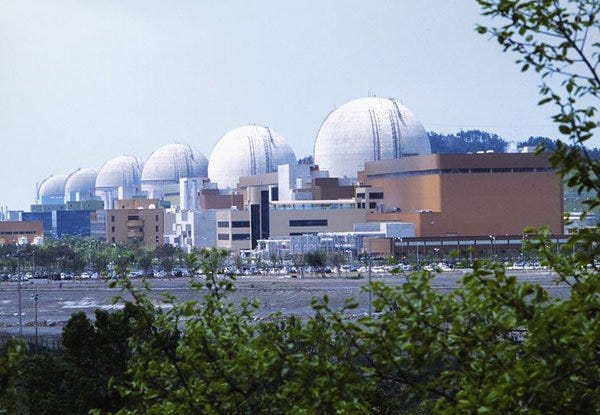
The Hanbit Nuclear Power Plant in South Korea is one of Asia’s largest nuclear power plants. Its total installed capacity is 5.875 GW, substantially contributing to South Korea’s electricity generation.
The plant features six pressurized water reactors (PWRs) operated by Korea Hydro & Nuclear Power, and its size and capacity make it a critical component of South Korea’s energy infrastructure.
Advantages And Challenges Of Large Nuclear Reactors
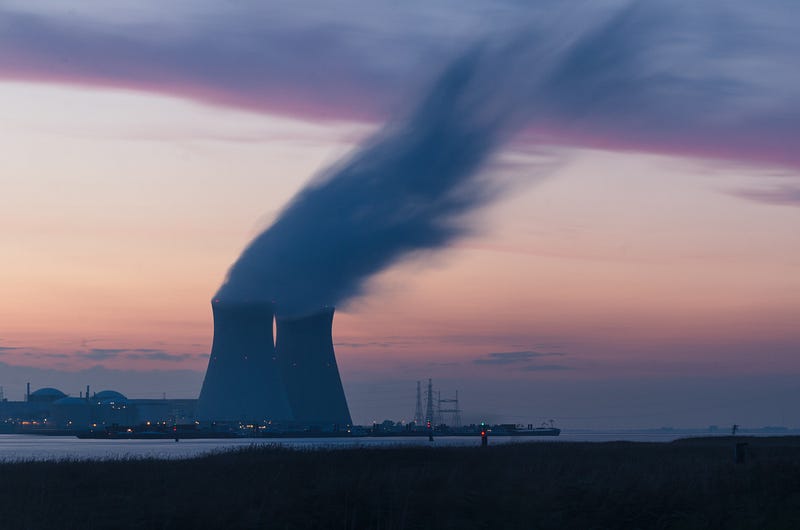
Large nuclear reactors offer several advantages, such as generating significant amounts of electricity, relatively low greenhouse gas emissions, and reliable baseload power.
They can contribute to energy security, reduce reliance on fossil fuels, and provide electricity for large populations.
However, they pose challenges, including safety concerns, waste disposal, the potential for accidents, and public perception of nuclear energy.
Nuclear reactors have come a long way since their inception, with the development of larger and more powerful reactors to meet growing energy demands.
The Kashiwazaki-Kariwa Nuclear Power Plant, Bruce Nuclear Generating Station, Zaporizhzhia Nuclear Power Plant, and Hanbit Nuclear Power Plant are some of history’s most enormous nuclear reactors, playing a crucial role in their respective countries’ electricity generation.
As nuclear energy continues to be a significant part of the global energy mix, it is essential to balance the advantages and challenges of enormous nuclear reactors and prioritize the safety, sustainability, and responsible use of nuclear power.
I am Hamza Shafiq. I write about facts, poems, history, and entertainment follow and subscribe so you can get the best experience of writing