
Power of Nature’s Bounty
Incorporate More Fruits and Vegetables into Your Meals
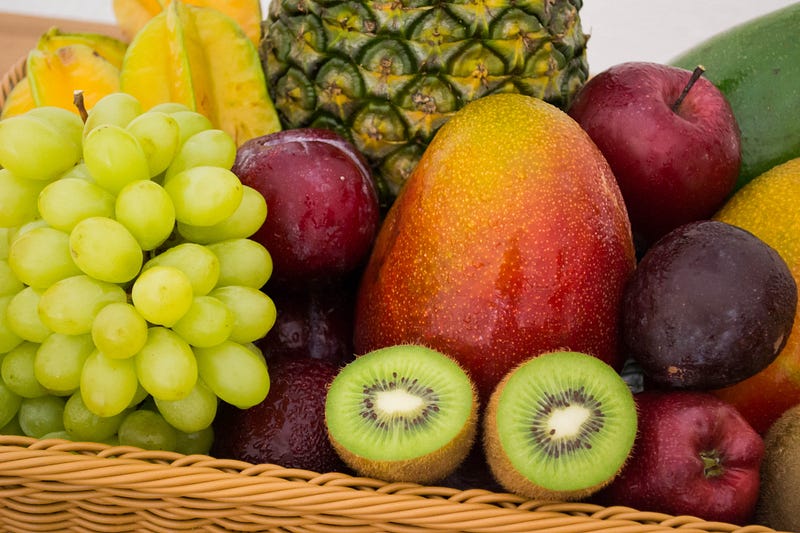
One of the best methods to improve your health and wellbeing is to eat a diet high in fruits and vegetables. These nutrient-dense foods provide a wide range of health advantages, from improving immune function to lowering the risk of chronic diseases. They are packed with important vitamins, minerals, and antioxidants. In order to fully appreciate nature’s bounty, we’ll look at the value of eating seasonally, the significance of include more fruits and vegetables in your diet, creative ways to do so, and the art of meal planning in this blog post. Let’s set off on a tasty and nourishing road to a healthier self.
The Health Benefits of Fruits and Vegetables
Fruits and vegetables are nutritious powerhouses that offer a plethora of health advantages. The World Health Organization (WHO) asserts that consuming a diet high in fruits and vegetables can significantly improve our general health. These wonderful creations of nature are brimming with vital vitamins, minerals, and antioxidants that support a range of biological processes and advance good health.
Consuming fruits and vegetables helps avoid chronic diseases, which is one of their many advantages. Numerous studies have demonstrated how including a lot of these vibrant plant-based foods in your diet might lower your chance of developing heart disease, stroke, and some types of cancer. The high fiber content of fruits and vegetables helps to support regular bowel movements, maintain a healthy digestive system, and promote gut health.
Many fruits and vegetables contain antioxidants, including vitamins C and E, beta-carotene, and flavonoids. These antioxidants are essential in defending our cells against the oxidative damage brought on by free radicals. Free radicals are unsteady molecules that can harm cells, speed up aging, and cause a number of diseases. We can combat free radicals and protect our cells from potential damage by eating a diet high in antioxidants.
To gain a wide array of nutrients, we must include a variety of vibrant fruits and vegetables in our diet. Fruits and vegetables come in a variety of hues that correspond to various nutrients and phytochemicals. For instance, lycopene, a substance recognized for its antioxidant effects, is abundant in red and pink fruits like tomatoes and watermelon. Carrots and mangoes are two orange and yellow fruits that contain beta-carotene, which the body transforms into vitamin A, needed for immune system and eye health. The vitamins K, C, and folate as well as the minerals calcium and iron can all be found in abundance in dark leafy greens like spinach and kale.
A healthy and well-nourished body is a result of including a rainbow of fruits and vegetables in each of our daily meals to guarantee that we get a full spectrum of nutrients. Furthermore, the naturally occurring sugars in fruits offer a healthier alternative to the added sugars typically included in processed foods and sugary drinks. Fresh fruits can take the place of sugary snacks to satisfy sweet cravings while also promoting a healthy, nutrient-rich diet.
It is impossible to overestimate the advantages of eating a diet high in fruits and vegetables for your health. These nutritious foods are crucial for a balanced and satisfying diet since they support digestive health, heart health, and our immune systems. We may take a proactive step toward improving our health and embracing a more vibrant and active lifestyle by include a variety of vibrant fruits and vegetables in our daily meals. So let’s savor the goodness of fruits and vegetables and fill our plates with the abundance of nature for a longer, healthier life.
Creative Ways to Add Fruits and Vegetables to Your Diet
The options are unlimited and imagination is your best friend when it comes to including more fruits and veggies in your diet. Use the adaptability of these nutrient-dense foods to your advantage by experimenting with different cooking techniques and flavor combinations that will tantalize your palate and keep you coming back for more.
Making tasty and wholesome smoothies from a variety of fruits is a lovely way to start the day. The alternatives are endless, ranging from a cool tropical smoothie made with pineapple, mango, and coconut water to a green power smoothie with spinach, banana, and almond milk. Smoothies provide a convenient breakfast or on-the-go snack and are a great way to obtain multiple servings of fruits and even some veggies.
Another inventive and eye-catching way to enjoy an abundance of colorful fruits and veggies is tossing together a colorful salad. Choose your preferred leafy greens, such as spinach, arugula, or kale, and combine them with a variety of crunchy vegetables, such as colorful bell peppers, sweet cherry tomatoes, and firm cucumbers. For a touch of sweetness and an antioxidant boost, mix in some sliced strawberries, blueberries, or juicy mandarin oranges. Add some nuts or seeds on top for extra texture and good fats. To bring all the flavors together, add a drizzle of homemade vinaigrette or a squeeze of lemon juice. Salads are not only filling, but they also make a delicious canvas for flavorful and artistic combinations.
The substitution of traditional pasta with zucchini noodles or cauliflower rice is a unique touch on traditional dishes for individuals wishing to cut their carbohydrate intake or investigate alternative possibilities. A spiralizer may be used to create zucchini noodles, sometimes known as “zoodles,” which provide a light and energizing substrate for your preferred pasta sauces. Cauliflower rice is a fantastic low-carb substitute that tastes great with stir-fries or curries. It is produced by shredding cauliflower into little rice-like bits. With these delightful vegetable-based substitutions, you may increase the nutritional value of your meals while lowering their calorie and carbohydrate load.
Adding veggies to diverse foods is a great way to increase your intake of nutrients without sacrificing flavor. When making muffins or pancakes, add grated carrots or zucchini for a lightly sweet and nutrient-rich delight. To add richness and more vitamins to a creamy soup, blend in some chopped cauliflower. To add flavor and nutrients to pasta sauces or stews, puree cooked veggies. By using these inventive strategies, you can enjoy the flavors of your favorite foods while gaining the advantages of increasing the amount of fruits and vegetables in your diet.
Remember that having fun and experimenting in the kitchen are the keys to making fruits and vegetables a regular part of your meals. You can find delicious and nourishing combinations that will make you feel energised and fulfilled by using your creativity in the kitchen. So use your imagination to its full potential and enjoy the thrill of increasing the amount of fruits and vegetables on your regular plate. Your body and taste buds will appreciate it.
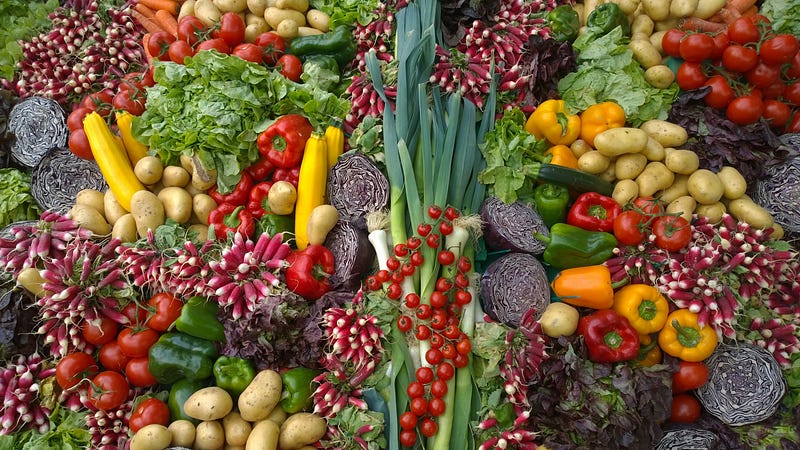
Seasonal Eating: Maximizing Freshness and Flavor
Eating in season is a culinary habit that helps the local economy, the environment, and your health. You may take advantage of fruits and vegetables at their optimum flavor and nutritional value while lowering your carbon footprint by adjusting your diet to the changing seasons.
Fruits and vegetables are picked at their ripest when in season, guaranteeing that they are brimming with flavor and vital nutrients. Fruits are able to reach their peak sweetness throughout the natural ripening process, whereas veggies become supple and lively. On the other hand, out-of-season produce is frequently harvested too early and shipped a great distance, which results in flavor and nutritional value loss.
According to studies, seasonal produce has a higher concentration of vitamins, minerals, and antioxidants than its non-seasonal counterparts. According to a study in the Journal of Food Science and Technology, seasonal food has much higher vitamin C content, giving your immune system a stronger boost during cold and flu season.
Beyond their nutritional advantages, seasonal eating is a sustainable lifestyle choice that lowers greenhouse gas emissions. You may help lessen long-haul transportation and the environmental impact it has by supporting regional farmers and buying locally farmed food. Seasonal eating supports healthier ecosystems by promoting crop rotation and biodiversity in agricultural operations.
Consider going to your neighborhood farmers’ markets or joining a community-supported agriculture (CSA) program to experience the best of each season on your plate. Farmers’ markets offer a wide variety of fresh, locally grown produce, frequently with the chance to speak with the farmers. By signing up for a CSA program, you can get a weekly or biweekly package of seasonal treats straight from the farm, building a stronger bond with the place where your food is grown.
Enjoy the soft asparagus spears, luscious strawberries, and crunchy radishes in the spring. The summer season provides a profusion of colorful tomatoes, tasty maize, and juicy watermelon. Enjoy the richness of pumpkin, butternut squash, and crisp apples as the autumn leaves change color. Hearty root veggies like carrots, parsnips, and beets are great for warming stews and roasted meals as winter approaches.
Eating in season is a wonderful way to experience the special tastes and offerings of each season while fueling your body with the best of nature. You may increase freshness and flavor in your food while simultaneously promoting sustainable agriculture methods and improving the health of the earth generally by include seasonal produce in your meals. Therefore, let the varying seasons direct your culinary explorations and enjoy the benefits of embracing the beauty of seasonal dining.
The Art of Meal Planning with Fruits and Vegetables
Planning your meals is a crucial tactic that can help you include more fruits and vegetables in your diet on a daily basis. Planning your meals and snacks ahead of time each week can help you make sure that your plates are piled high with a variety of vibrant, nutrient-dense fruits and vegetables. By using the freshest and most locally sourced ingredients, you can embrace the benefits of seasonal eating and plan meals with care.
Planning your meals in advance gives you control over the foods you choose, which makes it simpler to emphasize fruits and vegetables in your daily diet. You may take advantage of the delicious range of tastes and textures that each season has to offer by basing your meals around the abundance of seasonal vegetables. While fall stimulates the heartiness of roasted root vegetables and crisp apples, spring may inspire light and refreshing salads with tender asparagus and juicy strawberries.
Meal planning can potentially keep you away from processed and less nutrient-dense foods, which is one of its biggest benefits. You are less inclined to seek for quick but unhealthy food options when you have a thoughtful meal plan in place. The gratification of knowing that your meals are prepared to provide your body with the necessary vitamins and minerals contained in fruits and vegetables can be enjoyed instead.
Meal planning helps you cook meals according to the quantities needed and utilize products effectively, which helps cut down on food waste. You may shop purposefully, reducing impulse buys and unnecessary excess, if you have a thorough shopping list that corresponds with your food plan. You not only save money by purposefully choosing only the ingredients you require, but you also promote sustainable food consumption.
The convenience it adds to your daily routine is yet another advantage of meal preparation. When you’ve already made your plans for the week’s meals, you may prepare the items in advance, which makes cooking during the hectic workdays a snap. A piece of fresh fruit or a container of sliced vegetables are simple to grab for when you’re hungry if you have prepared fruits and vegetables close at hand. This encourages better snacking selections.
When you embrace meal planning, adding additional fruits and veggies to your meals becomes a simple and pleasurable process. You get the ability to take charge of your nutrition, support eating seasonally and locally, cut down on food waste, and streamline your everyday cooking routine. Decide on a specific time each week to plan your meals, make a customized shopping list based on your interests, and then start your path to fueling your body and savoring the goodness of fruits and veggies. Your physical and mental well-being will appreciate it.
A rewarding path to enhanced health and vigor is including more fruits and vegetables in your meals. These foods are rich in nutrients and provide a wealth of vitamins, minerals, and antioxidants that promote your general health. To make fruits and vegetables a delicious and essential part of your diet, use your creativity in the kitchen, experiment with seasonal food, and master the art of meal planning. You are nurturing yourself from the inside out by providing your body with the bounty of nature, moving closer to a healthier and more energetic way of life. Enjoy the nutritional advantages that fruits and vegetables provide to your body and mind by letting their brilliant colors and flavors enhance your meals.
If you enjoyed my article, I would greatly appreciate your support in my creative work. The easiest way to do so is by simply buying me a coffee. Thank you very much for your support.