
The Power of Green Vegetables
The Superfood Benefits of Broccoli, Spinach, and Kale
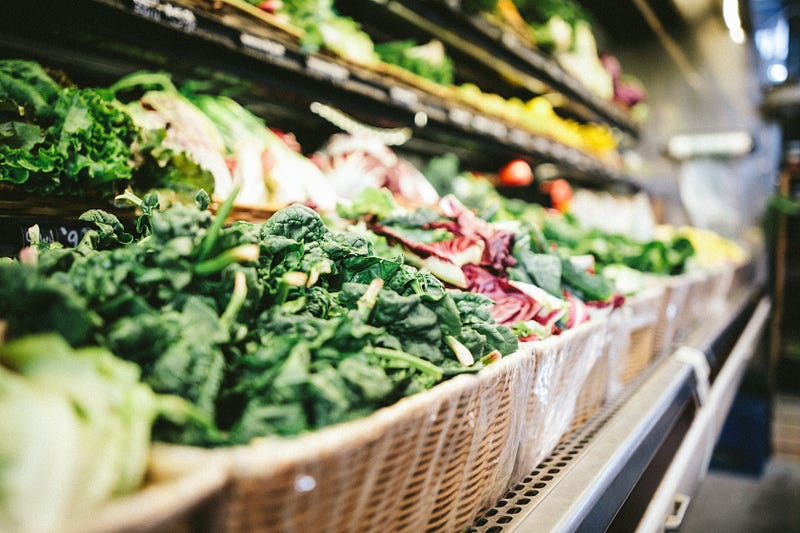
Green vegetables are a nutritional powerhouse and are known for their numerous health benefits. Broccoli, spinach, and kale are three green vegetables that are packed with vitamins, minerals, and antioxidants that can help improve your overall health. In this blog post, we will explore the specific benefits of these superfoods and why you should consider incorporating them into your diet.
Broccoli: The Ultimate Superfood
Broccoli is a green vegetable that belongs to the cruciferous family, along with cauliflower, kale, and Brussels sprouts. It’s no wonder that broccoli has been hailed as the ultimate superfood. Here are some reasons why:
Rich in Nutrients: Broccoli is packed with vitamins and minerals that are essential for overall health. One cup of cooked broccoli contains 135% of the daily recommended intake of vitamin C, 116% of vitamin K, and 10% of potassium. It’s also an excellent source of fiber, calcium, and iron.
May Reduce Cancer Risk: Broccoli is loaded with compounds called sulforaphane and indoles, which have been shown to have anticancer properties. Studies have suggested that consuming cruciferous vegetables like broccoli may help reduce the risk of certain cancers, such as breast, prostate, and colon cancer.
Supports Heart Health: Broccoli contains fiber, potassium, and antioxidants that are beneficial for heart health. Potassium helps regulate blood pressure, while fiber helps reduce cholesterol levels. Antioxidants like vitamin C and flavonoids help protect the heart from oxidative stress.
Boosts Digestion: Broccoli is high in fiber, which promotes healthy digestion and regular bowel movements. It also contains a compound called sulforaphane that has been shown to protect the stomach lining and prevent the growth of harmful bacteria.
Easy to Incorporate into Your Diet: Broccoli is a versatile vegetable that can be eaten raw, steamed, roasted, or sautéed. It can be added to salads, stir-fries, soups, and stews. You can also try broccoli sprouts, which are even higher in sulforaphane than mature broccoli.
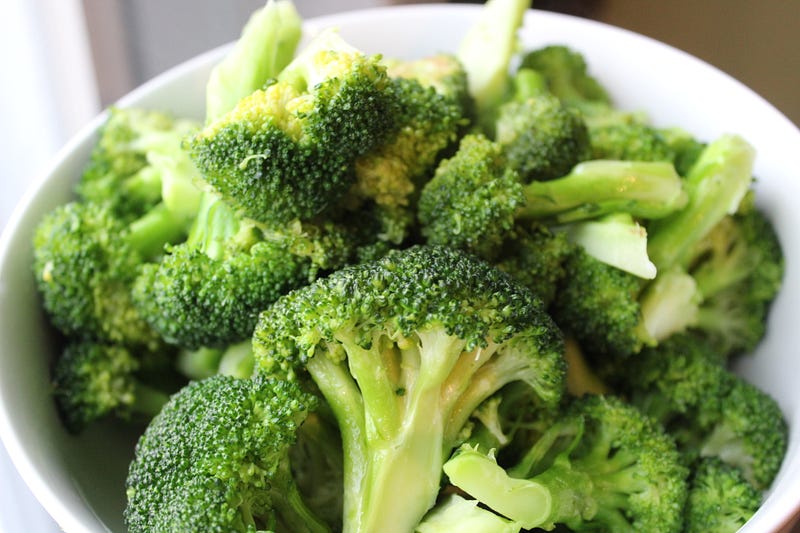
Incorporating broccoli into your diet is an excellent way to reap its many benefits. Try adding it to your meals a few times a week to boost your health and well-being.
However, keep in mind that some people may experience gas and bloating after consuming broccoli. If this is the case for you, try steaming or roasting it to make it easier to digest.
Spinach: The Versatile Superfood
Spinach is a leafy green vegetable that is versatile and can be used in a variety of dishes. Here are some of the key benefits of spinach:
Packed with Nutrients: Spinach is an excellent source of vitamins A, C, and K, as well as minerals like iron, magnesium, and calcium.
May Improve Eye Health: The lutein and zeaxanthin in spinach can help protect your eyes from damage caused by UV light.
Supports Bone Health: Spinach is high in vitamin K, which is essential for bone health and may help reduce the risk of fractures.
In addition to the benefits listed above, spinach is also a great source of antioxidants, which help protect your cells from damage caused by free radicals. It is also low in calories, making it a great addition to any weight loss diet.
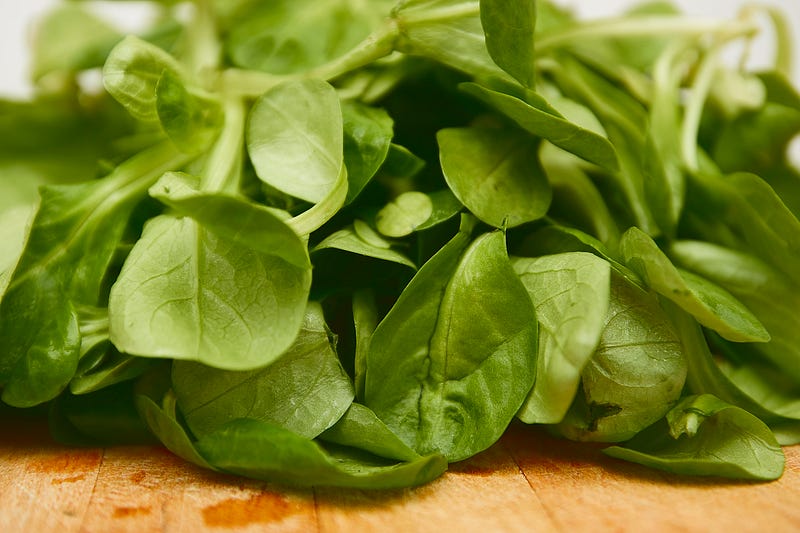
Some studies have suggested that spinach may also have anti-inflammatory properties, which can help reduce the risk of chronic diseases like heart disease, cancer, and diabetes. It may also improve blood sugar control in people with diabetes.
Another benefit of spinach is that it is a good source of dietary nitrates, which have been shown to improve exercise performance by increasing blood flow and oxygen delivery to muscles. This can be especially beneficial for athletes and people who engage in regular physical activity.
Overall, spinach is a versatile superfood that can offer a variety of health benefits when included in your diet. Whether eaten raw in salads, sautéed as a side dish, or blended into smoothies, spinach is an easy and delicious way to boost your nutrient intake.
Kale: The Nutrient-Dense Superfood
Kale has been touted as a superfood for its high nutrient content and potential health benefits. Let’s dive deeper into why kale should be a staple in your diet:
Nutrient Density: Kale is incredibly nutrient-dense, meaning that it is packed with a variety of essential vitamins and minerals. One cup of raw kale contains over 100% of the recommended daily intake of vitamin A, vitamin C, and vitamin K. It also contains B vitamins, including vitamin B6, as well as minerals such as calcium, magnesium, and potassium. All of these nutrients are important for maintaining overall health and preventing chronic diseases.
Anti-Inflammatory Properties: Kale contains powerful antioxidants, including flavonoids and carotenoids, that may help reduce inflammation in the body. Chronic inflammation has been linked to a range of health problems, including heart disease, cancer, and arthritis. By including kale in your diet, you may be able to reduce your risk of these conditions.
Heart Health: The fiber and antioxidants in kale can also help support heart health. Fiber is important for maintaining healthy cholesterol levels and reducing the risk of heart disease. Additionally, the antioxidants in kale may help protect against oxidative damage, which can lead to the development of heart disease.
Ways to Incorporate Kale into Your Diet: Kale is incredibly versatile and can be used in a variety of dishes.
Here are some ideas for incorporating more kale into your diet:
- Add raw kale to your salads for an extra nutrient boost.
- Use kale in place of lettuce in sandwiches and wraps.
- Sauté kale with garlic and olive oil for a quick and easy side dish.
- Blend kale into your smoothies for a healthy and delicious breakfast or snack.
- Make kale chips by baking kale leaves in the oven with a little olive oil and salt.
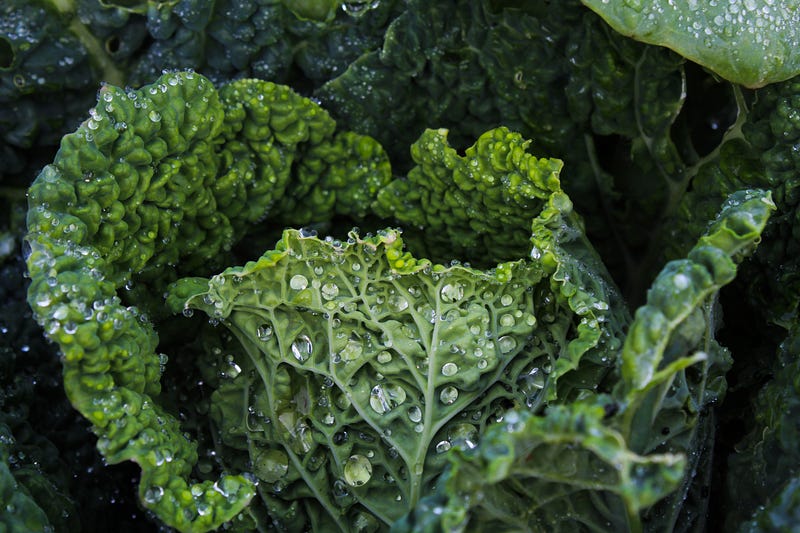
Kale is a nutrient-dense superfood that offers a range of potential health benefits. By including kale in your diet, you can support your overall health and reduce your risk of chronic diseases. So why not add some kale to your next meal? Your body will thank you!
Incorporating Green Vegetables into Your Diet
Now that you know the specific benefits of broccoli, spinach, and kale, you may be wondering how to incorporate these superfoods into your diet. Here are a few tips to get you started:
- Add them to Smoothies: Adding a handful of spinach or kale to your morning smoothie is an easy way to get an extra dose of nutrients.
- Roast or Steam Broccoli: Roasting or steaming broccoli can bring out its natural sweetness and make it a delicious side dish.
- Make a Salad: A salad with spinach, kale, and other vegetables is a healthy and satisfying meal.
- Sauté with Garlic: Sautéing greens with garlic is a flavorful way to enjoy them.
Final Thoughts
Green vegetables like broccoli, spinach, and kale are superfoods that offer numerous health benefits. They are packed with nutrients and antioxidants that can help improve your overall health and reduce the risk of chronic diseases. By incorporating these superfoods into your diet, you can enjoy their many benefits and feel great both inside and out.


