
Popular Music and American Culture
How do you see American popular music and its global influence?
The state of popular music in the United States is arguably determined by a diverse set of subgroups of individuals with similar backgrounds and life experience, to which that popular music holds appeal.
The very idea of popular music is inherently tied and determined by the tastes of groups within the population, so the evolution and characteristics of popular music are more intimately connected with the groups with which it is associated. On a broader scale, large political and cultural events relevant to one period of time also represent an axis upon which this set of tastes in the population might vary.
For instance, recalling the periods of historically popular music, it may be observed that some political or cultural trends inform the popularity of certain genres: the counter culture of the 1960s along with the advancements in civil rights liberties for minorities, the appearance of rock and roll in the 1970s and 1980s, and so forth. The temporal aspect of popular music often can be used to characterize the events and moments of that generation of individuals because of this influence of historical political events on popular music.

Though the music industry has largely desegregated today in light of changes in legal practices surrounding civil rights, the populations that listen and engender popular music in the United States are still similarly divided, as indicated by the drastically different forms and messages that appeal to different groups, some which document a history of marginalization.
Upon reflection of the types of popular music present in contemporary times, one often imagines the upbeat, idealistic tunes of popular music or popular music related to social trends. Such types of popular music today may represent a degree of escapism in society, but they are more often indicative of the current feelings of a specific group. Notably, the relative peace of the 21st century has allowed for music commenting on inconsequential social idiosyncrasies to emerge and become popular.

However, this feeling of peace that has manifested for majority groups in the United States often shuns more serious and pressing social issues also present in the nation, and in this way, a population’s indulgence in peace may be considered a sort of escapism from the harsher social realities of marginalized groups. For instance, consider the set of popular songs such as “#SEFLIE” by the Chainsmokers, “How Deep Is Your Love?” by Calvin Harris, “Blank Space” by Taylor Swift, or “What Do You Mean?” by Justin Bieber.
These songs either mock current social trends or behaviors, or they expound on a certain set of feelings, often related to the transience of romance. The appearance of popular music that satirizes a specific set of popular social behaviors should indicate the presence of a sort of flippancy or superficiality in that social paradigm. This call to attention to such flippant behaviors (taking a superfluous amount of selfies at social events) is enhanced when the actual behavior is constituted by conspicuous and repeated performative acts made with an attention-seeking goal.
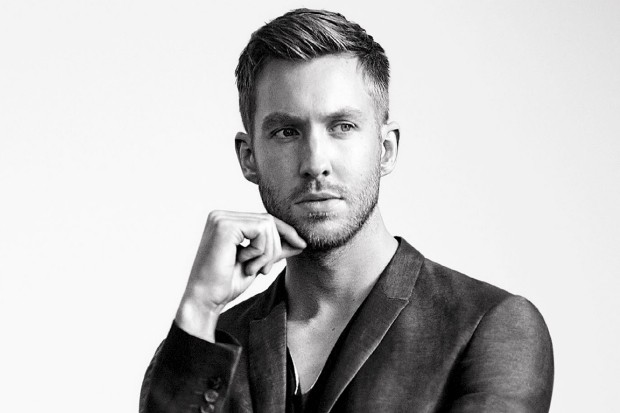
Moreover, the other songs listed above all demonstrate the existence of such a superficial social paradigm in relation to romance. Calvin Harris’ video for “How Deep Is Your Love?” consists of a repetitive set of party scenes that include a multitude of time skips, to illustrate the briefness of these social and romantic encounters.
The question that is repeated in the video itself “How deep is you love?” almost seeks to escape from this endless cycle of brief and meaningless encounters, longing for profundity and depth in relationships.

Taylor Swift’s “Blank Space” more explicitly refers to this idea of brief romantic encounters that are torn apart by their unstable foundation and beginnings. Consider how: “I can make the bad guys good for a weekend”, one of the verses of “Blank Space”, illustrates this dynamic relationship between male commitment and female sexuality that stands as the motivation for the briefness of romance in modern contexts.
“What Do You Mean?” by Justin Bieber once again describes a similar model of romance, referring to the insecurities and uncertainties of young love. Though love songs have always persisted in popular music in some form, popular music today documents a very real degeneration germane to romance.
The songs that receive hundreds of millions of views and the songs that are at the forefront of the public consciousness deal with the collective inability of individuals to reconcile romantic desire, sexual interest, and long-term commitment.
Music, in this case, presents a cathartic quality to all the individuals who find themselves in the unpredictable and unreliable landscape of romance today, and the popularity of such music represents a collective acknowledgment of these issues.
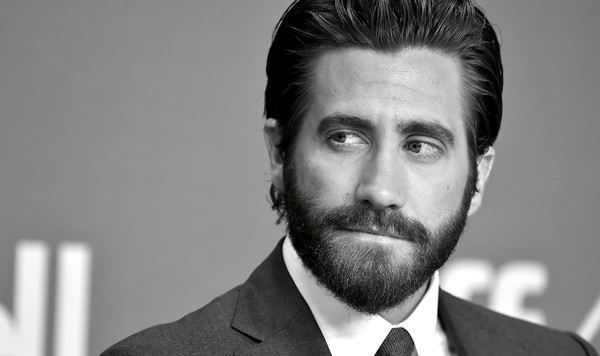
The cathartic quality offers individuals a sort of escape from their own dissatisfaction with failed romantic endeavors (i.e. Taylor Swift and Jake Gyllenhaal resulting in the “I Knew You Were Trouble” single). However, the popularity of such musical forms also detracts from the more darker aspects of society ignored by the majority as they engaged in their self-absorbed escapist fantasies through the performativity of music.
What are these darker aspects of society, spurned and ostensibly shoved under the rug by the majority in favor of this escapist romantic narrative? The very continuation of social inequality and abuse of the civil rights of minorities is documented in music.
The American music industry may have formally desegregated, but its population is still very much unequal and cordoned off into groups, roughly by race and socioeconomic class. Consider Kendrick Lamar’s recent single “Alright”, where he deals with the moral considerations and consequences of rampant materialism, as well as the struggle of the African American people in a society with power structures that continue to marginalize them.
In regard to materialism, Lamar reflects on his own experiences subsequent to his fame: “Painkillers only put me in the twilight / Where pretty pussy and Benjamin is the highlight”. Here, Lamar describes how opiates and similar classes of drugs only temporarily absolved him of life’s hardships by allowing him to indulgence in material pleasures and women.
Throughout the song, he also makes frequent reference to the troubled history of African Americans in the United States and their current struggles: “When you know, we been hurt, been down before, nigga / When my pride was low, lookin’ at the world like, ‘where do we go, nigga?’ / And we hate Popo, wanna kill us dead in the street for sure, nigga / I’m at the preacher’s door/ My knees gettin’ weak…” Lamar paints a vivid narrative of a beaten down and broken race of individuals struggling to survive in spite of the continual frustrations and dangers that beleaguer them.
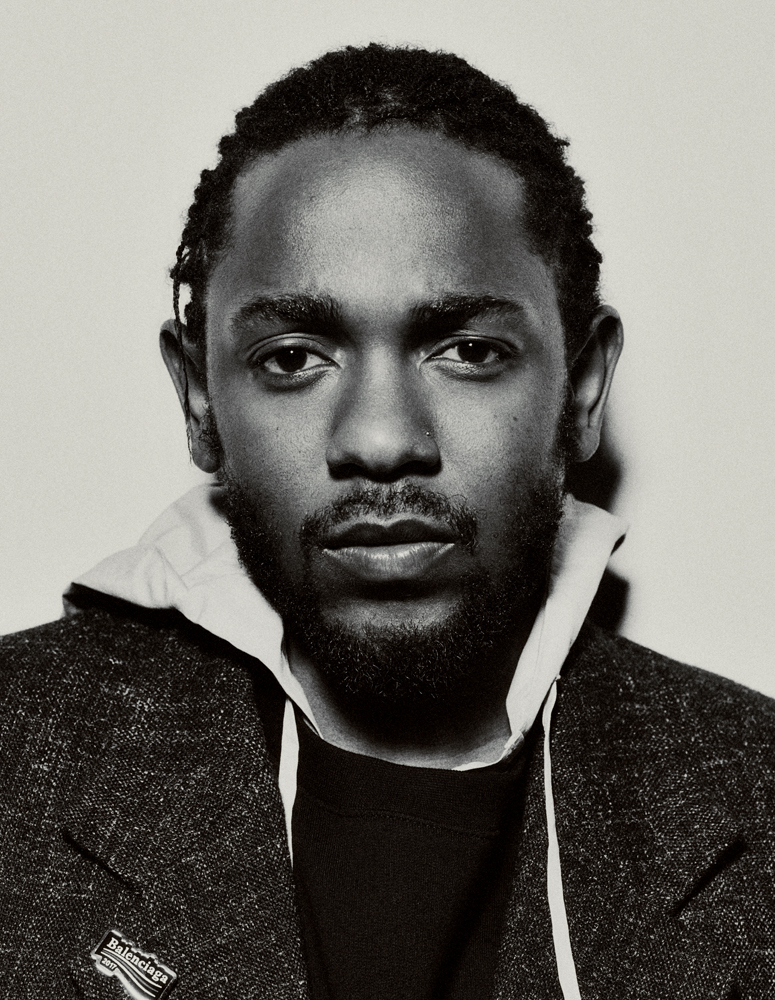
When we compare this narrative, which has received only a five million views, to the hundred of millions of views given to the romantic troubles of Taylor Swift, it should inform our perspective regarding the disproportionate representation of social issues in the United States.
Ultimately, though peace has predominated in the 21st century and though segregation is outlawed, civil inequality is still incredibly blatant. The trends in popular music pertaining to superficial romances illustrate a collective ignorance and solipsism to more serious and pressing social issues in the United States.
When one observes the music most popular and relevant to different groups in the United States, one begins to realize the alarming nature of “popular music” in relation to the culture and society of this time, where the public prioritizes and gives more notice to casual sex and romance over the plight of an entire race.
If you’ve enjoyed my work and want to support me, you can become a Medium member using my link for a relatively low cost of $5 or so per month!