
#30DAYSOFSCIKUCHALLENGE
Plastics, EDCs, and You
Day 27 Prompt: Public Health Research inspired Sciku
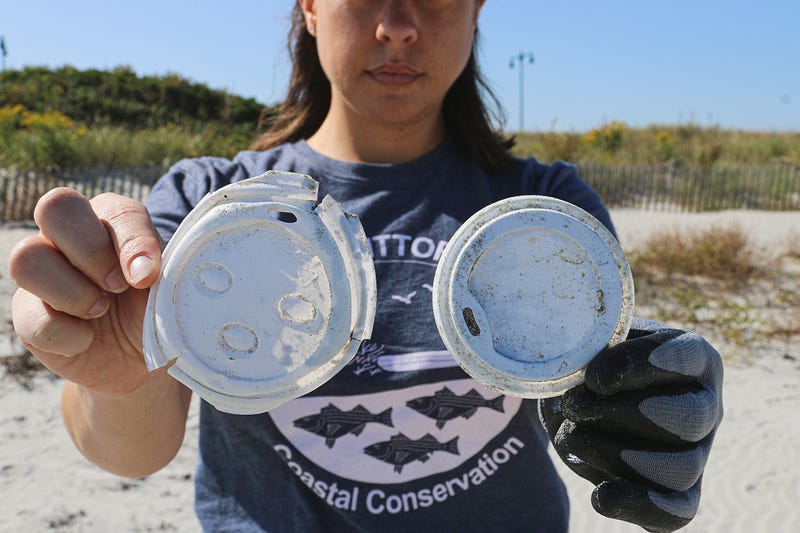
plastics everywhere endocrine-disrupting chemicals bad for human health
Plastic is literally everywhere. Plastics are a wide range of synthetic or semi-synthetic materials that usually use polymers as the main ingredient. We rely on several plastic products for improved public health, such as — disposable syringes, intravenous bags, etc...
But in the past few decades, it has become increasingly clear there might be some risks associated with our heavy reliance on plastics. There is growing recognition that plastic waste is a major environmental burden and that plastics and related products also pose some serious health risks.
For example, plastics have long been known to contain and leach hazardous chemicals that contaminate food chains through agricultural soils, terrestrial and aquatic food chains, and the water supply. These include endocrine-disrupting chemicals (EDC) that are known to be harmful to human health.
Endocrine-disrupting chemicals (EDCs) are synthetic substances that interfere with the human body’s endocrine system's normal function. There are many examples of EDCs such as Bisphenol A (BPA), Phthalates, Phenol, Lead, Phthalates, Cadmium, Parabens, UV Filters, etc used in personal care and plastic products.
An authoritative new report released in December 2020 by the Endocrine Society and the IPEN (International Pollutants Elimination Network) describes the alarming health effects of widespread contamination from EDCs in plastics.
“Many of the plastics we use every day at home and work are exposing us to a harmful cocktail of endocrine-disrupting chemicals,” said the report’s lead author, Jodi Flaws, Ph.D., of the University of Illinois at Urbana-Champaign in Urbana, Ill. “Definitive action is needed on a global level to protect human health and our environment from these threats.” Source: Science Daily
This is a first comprehensive look at the possible level of exposure and a piece of potential evidence that EDCs can cause DNA modifications that could have multigenerational consequences. The report states that as plastic production increases, rates of acute and chronic diseases and deaths resulting from exposure to endocrine-disrupting chemicals in plastics are anticipated to rise.
In this week of change at the political powerbase, this is the time to stay informed. Based on scientific evidence, governments and companies should enact policies that minimize harmful exposure to EDCs to protect public health and the environment.
Perhaps one good way is still reinforcing the ongoing efforts toward education, conservation, and sustainable consumption — think — reinforcing the 5 Rs — i.e., reduce, reuse, recycle, rethink, restrain — for minimizing pre-and postnatal exposures to potentially harmful components of plastics.
The only way we are going to overcome some of the collective environmental challenges of this decade is by staying engaged — Thank you for reading and for your time.
*This content is not intended to be a substitute for professional advice, diagnosis, or treatment. Always seek the advice of a qualified health provider with any questions you may have regarding a medical or mental health condition.
**This is Day 27 of the #sciku challenge — science-inspired haiku-like poetry( so #sciku?) prompts to get you inspired — Our dear readers — why not spend some time each day creating and having a little fun — if you do — publish it anywhere on medium, just tag it with — #30DaysOfScikuChallenge.
*Tagging Lynn E. O’Connor, Ph.D., Laura Griffith Machado, PsyD Rita Hitching, and anyone else who feels inspired to follow and/or play along with this fun #30DaysOfScikuChallenge and today’s prompt: Public Health Research
What to read next? How about:
or perhaps this one :