
Plantations Are A National Abomination
The glorification of enslaved labor camps is indicative of America’s denial of its racist legacy.
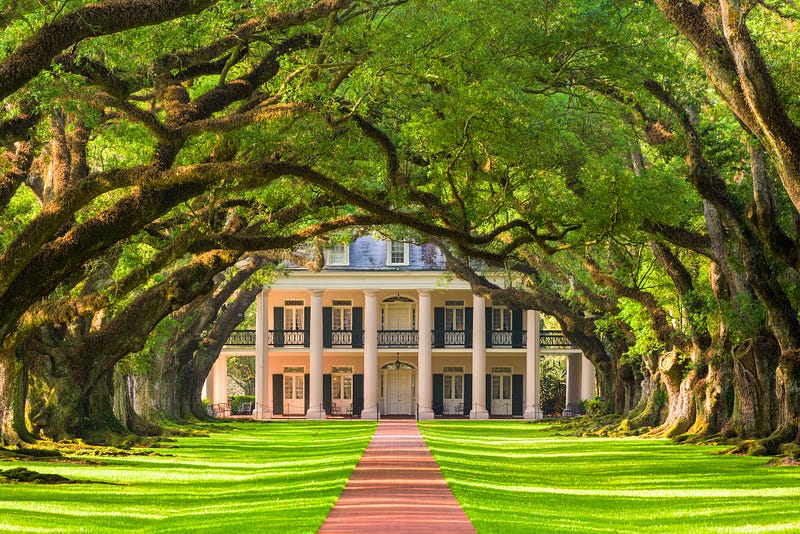
…only in this nation have p̶l̶a̶n̶t̶a̶t̶i̶o̶n̶s̶ enslaved labor camps been retooled into pastoral theme parks, glorifying the lie of the genteel antebellum South.
Singer-actor-activist Jill Scott recently shot an Instagram story where she recounted her experience being taken on a tour of the grounds of a former plantation.
In her scathing testimony, she remembered seeing the main manor house and its furnishings preserved in pristine condition as other tour participants idly wandered the property and sat on porch swings drinking brandy and tea, “ooohing and aaahing” at the splendor of the grounds.
When taken inside the manor house, the tour guide spoke on the daily life of the house’s original inhabitants: the attire they wore, the soirees they held, and the indulgent cuisine they enjoyed.
Of course, nothing was mentioned about the brutal living and working conditions of the hundreds of thousands of enslaved Africans whose forced, back-breaking labor and actual blood, sweat, tears, and dreams of freedom fertilized the very ground the tourists were walking on.
The enslaved-worked ground whose harvests generated the vast wealth of the enslavers who owned the land.
Then the tour guide had the audacity to offer Scott — a Black woman — accommodations in the newly renovated, former slave quarters. “They are really quite lovely!” the tour guide cooed.
Incensed by the grossness of what she was witnessing, what Scott did in response should earn her the Presidential Medal Of Freedom.
̶P̶l̶a̶n̶t̶a̶t̶i̶o̶n̶s̶ Enslaved labor camps are irrefutable evidence of this nation’s psychotic denial of its racist legacy. Throughout chattel slavery, millions of enslaved Africans were terrorized and brutalized into laboring on these properties.
These sites are crime scenes where the enslaved were subjected to all manner of dystopian-like mistreatments, punishments, and abuses, including rape, torture, and the enslaver’s main method of coercion — the whip.
The fact attempts are made to sanitize and whitewash away the bloody and horrific legacy of these sites for the purposes of attracting tourists is not only a monumental slap in the face to the descendants of the enslaved, but it is also an egregious example of how this nation’s history is distorted in order to support white supremacy.
America be crazy.
In this nation exists schools, buildings, streets, and statues named after Confederate soldiers, white supremacists, and enslavers.
People still wave the Confederate flag — a prominent symbol of a treasonous failed state which attempted to cede from the Union in order to preserve the institution of slavery.
And only in this nation have p̶l̶a̶n̶t̶a̶t̶i̶o̶n̶s̶ enslaved labor camps been retooled into pastoral theme parks, glorifying the lie of the genteel antebellum South.
Funny, you don’t see bed and breakfasts at former Nazi concentration campsites like Auschwitz. You don’t see gas chambers repurposed into banquet halls. You don’t see antique holocaust trains offering luxurious passenger tours of Europe.
But in the United States? Well, many consider a “plantation wedding” as the epitome of romance.
People from all over the world come to marvel at the bucolic grounds of ̶p̶l̶a̶n̶t̶a̶t̶i̶o̶n̶s̶ enslaved labor camps, ignoring the fact these properties were hellish prisons and sites of almost incomprehensible horrors for the enslaved.
The blood of my enslaved ancestors soak those grounds; sites where they were whipped into bloody submission. Where enslaved women were the frequent victims of sexual violence by enslavers. Where enslaved families were ripped apart and children torn away from their parents to be sold like cattle to other enslavers.
These sites also were the staging grounds of frequent uprisings and rebellions — a historical fact which debunks the asinine myth of Africans smiling and being content with their forced status as the shackled property of other humans.
Bottom line: it’s insane that there are ̶p̶l̶a̶n̶t̶a̶t̶i̶o̶n̶s enslaved labor camps operating as tourist attractions, B&Bs, and venues for celebratory events like weddings. Their very existence proves the extremes this nation will go to attempt to erase its legacy of chattel slavery while upholding white supremacy.
Plantations are sites where incomprehensible atrocities against enslaved Africans were committed. Still, no matter how much whitewashed veneer coats these sites, the truth of their blood-soaked history will always seep through.


