
WILDLIFE
Pioneering Surgery Gives Dennis the Crane a New Lease of Life
He’s part of a crane reintroduction programme in Britain
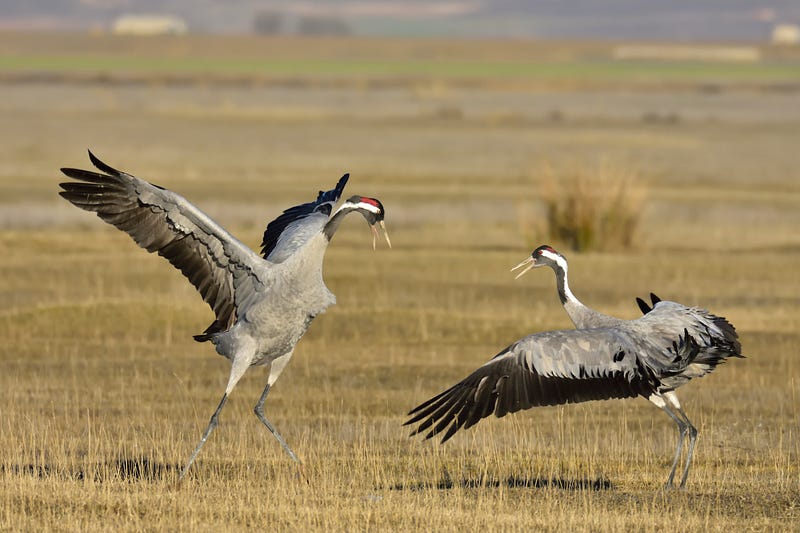
Dennis, a three-year-old Eurasian crane from the Pensthorpe Natural Park in Norfolk, became the first crane in the UK to be successfully operated on for cataracts. He was part of the Great Crane Project, which restored healthy populations of Eurasian cranes into the British countryside, by releasing captive-bred birds into the wild.
Eurasian cranes were once widespread in the UK, but development and hunting resulted in their extinction from the wilds of Britain in the 16th century. Today, small populations of Eurasian cranes live in the Norfolk Broads and elsewhere in the UK, supported by the breeding programme.
A crane with strange behaviour
When Dennis first started displaying unusual behaviour, it was obvious that all was not well. He was spending a lot of time on his own and losing weight, so plans for his release were halted.
Damon Bridge, Project Manager of the Great Crane Project said: “It was obvious that Dennis wouldn’t be able to survive in the wild but the cause of his odd behaviour was a mystery. To find out that he was suffering with cataracts, and then to have his sight fully restored, is just fantastic. It must be a huge relief for him.”
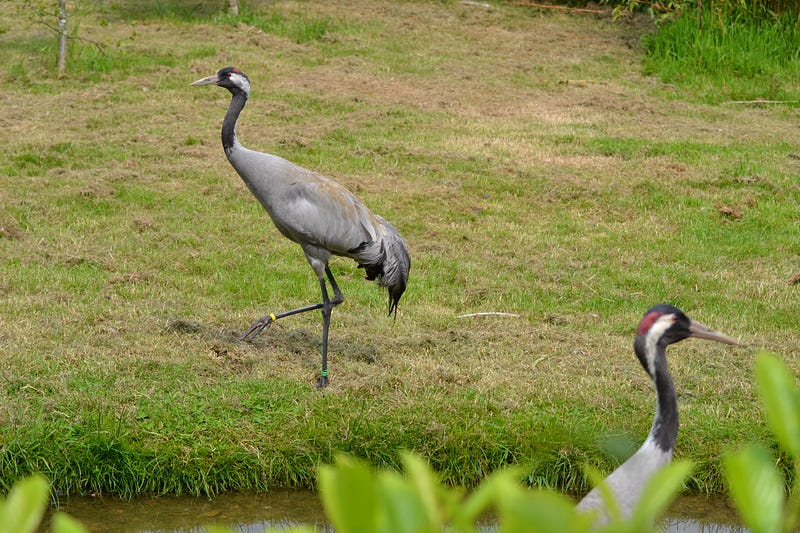
Dennis was looked at by a vet and diagnosed with cataracts — the clouding of the lens of the eye. It meant that his eyesight was cloudy and very poor, so he couldn’t see his food very well. He was struggling to eat properly and was losing confidence.
Cataracts are a common cause of blindness in dogs, and people get them too, but they are rare in birds. After a specialist eye examination, the decision was made to operate on both of Dennis’ eyes to remove the cataracts, restore his vision, and give him a better quality of life. It was the first operation of its kind in the UK and his sight was restored in both eyes.
The operation was carried out by veterinary ophthalmologist, David Gould, at his specialist surgery in Hertfordshire. He said: “I am used to performing cataract surgery in dogs and cats, and occasionally in more exotic species, but this was the first crane I have ever operated on. The cataract surgery was very successful and post-operatively Dennis was much more confident after regaining his vision.”
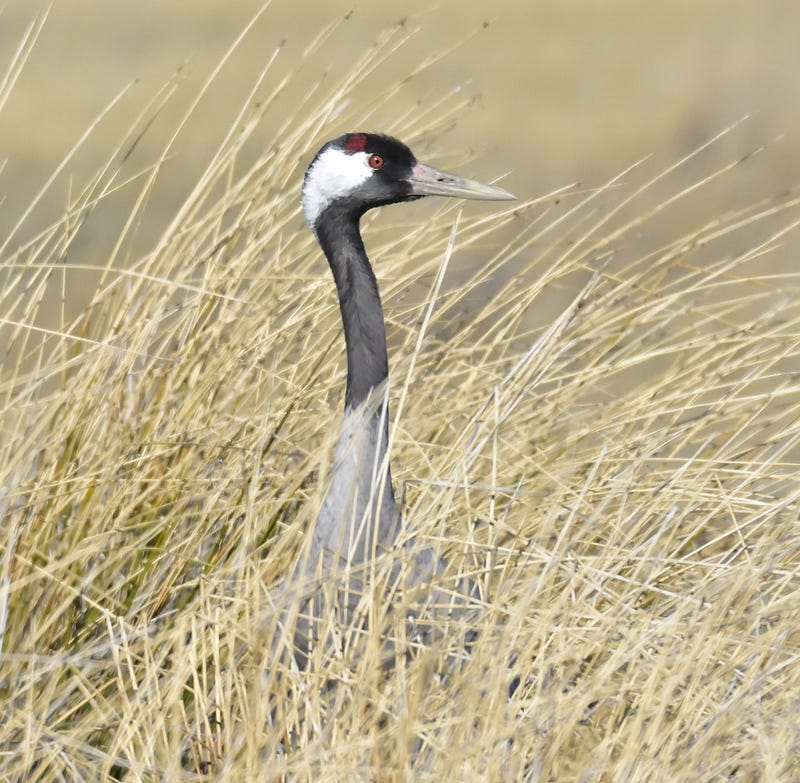
Before the operation, Dennis was unable to see much more than silhouettes, but now he can see well. He is fully recovered and has much more exciting things on his mind these days — he’s hooked up with a female crane that the staff at Pensthorpe call ‘Mrs. Dennis’. As the relationship blossoms, staff hope to see the couple produce baby cranes at the reserve.
There are other Eurasian cranes at Pensthorpe too, and some of the Eurasian young have been released into the wild as part of the Great Crane Project.
The Great Crane Project
The Great Crane Project was a five-year project beginning in 2011, during which time 20 Eurasian cranes were released into the wild every year. It was a huge success, repopulating the UK with this native species, and it is hoped that the birds will continue to thrive in the wild and their numbers will grow naturally.
Other species of crane at Pensthorpe
Dennis and Mrs. Dennis live alongside some other cranes at Pensthorpe, including Blue Cranes, Sandhill Cranes and Grey Crowned Cranes. The Sandhill cranes and Grey Crowned Cranes are non-native species, and they are there to tell the story of cranes around the world. They are also part of a breeding programme supplying cranes to British wildlife parks and zoos.
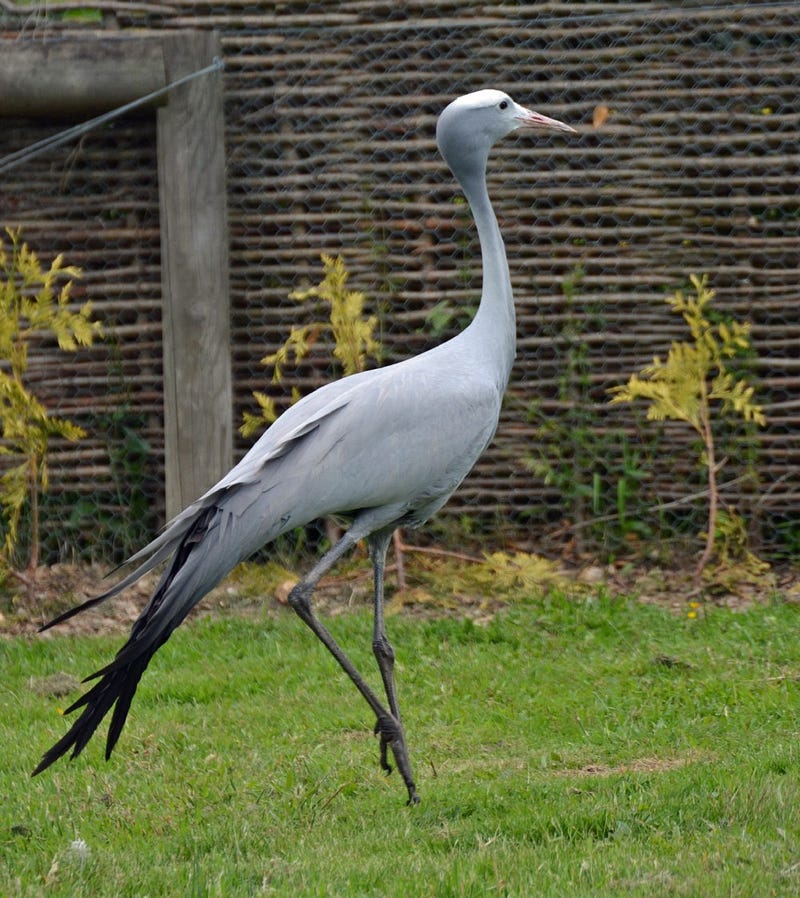
Blue Cranes
The Blue Cranes are unusual-looking birds — very sleek and slender. They are a vulnerable species, native to parts of Africa. Their numbers have declined due to modern farming methods, loss of habitat and collisions with power lines.
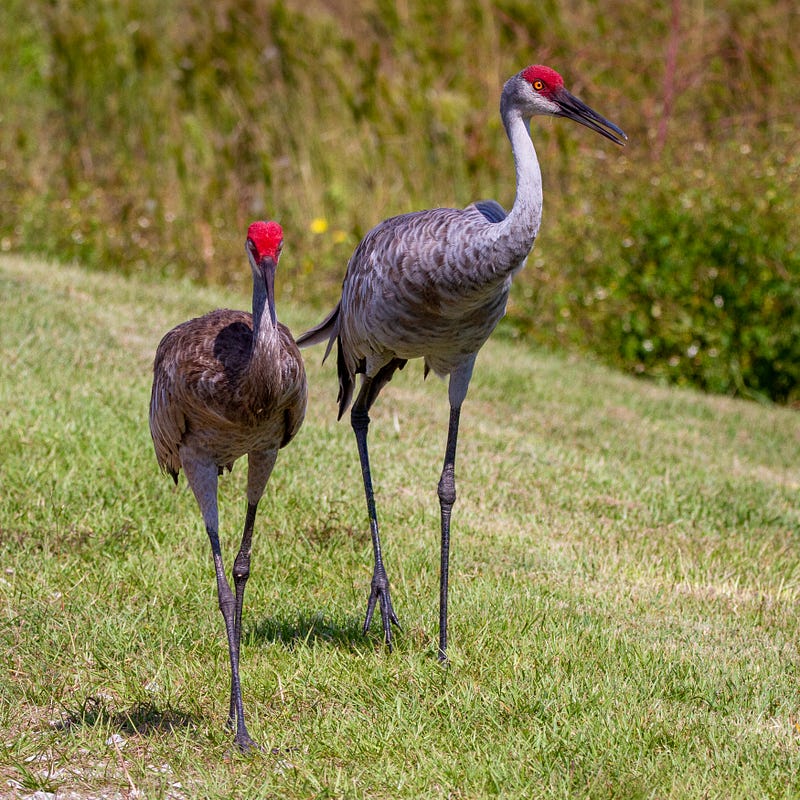
Sandhill Cranes
The Sandhill Cranes are native to North America, living on wetlands and prairies. They live together in large groups and make distinctive crying sounds that fill the air. In parts of America, these cranes are well established, but groups of Sandhill Cranes in Cuba and along the Mississippi River are endangered.
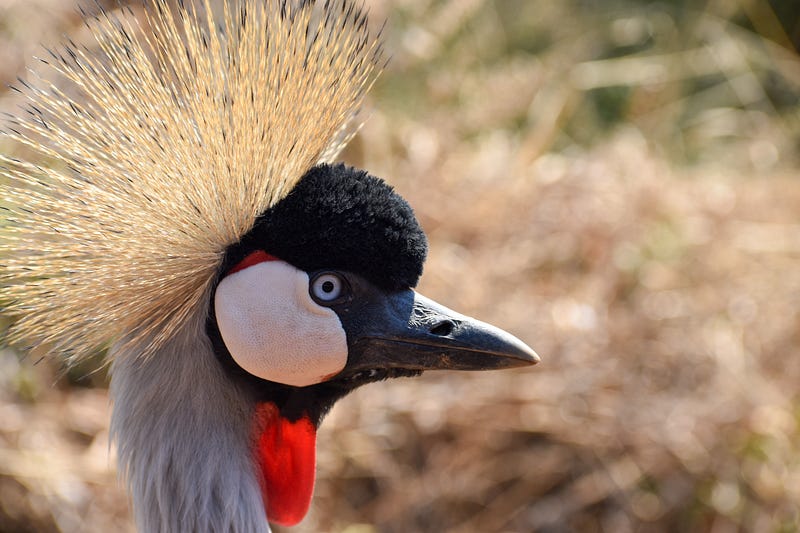
Grey Crowned Cranes
The Grey Crowned Cranes are native to Africa but their numbers have declined by up to 79% in 45 years, so they are now an endangered species. The colonies in South Africa however, have remained stable.
Find out more: www.pensthorpe.com
© Susie Kearley
More from me…
- Builders Are Making Special Adjustments For Bats In Norfolk, England
- Hand-rearing Egyptian Fruit Bat Babies
- Crazy Guinea Pig Lady Writes a Book About Her Critters
- Writing About Animals Can Be Good for your Mental Health
- Hearing Dogs Change Lives: These pups are trained in military-style obedience
- Use my referral link to read unlimited articles on Medium


