
Builders Are Making Special Adjustments For Bats In Norfolk, England
Holes in the roof and coated tiles are being created to accommodate them
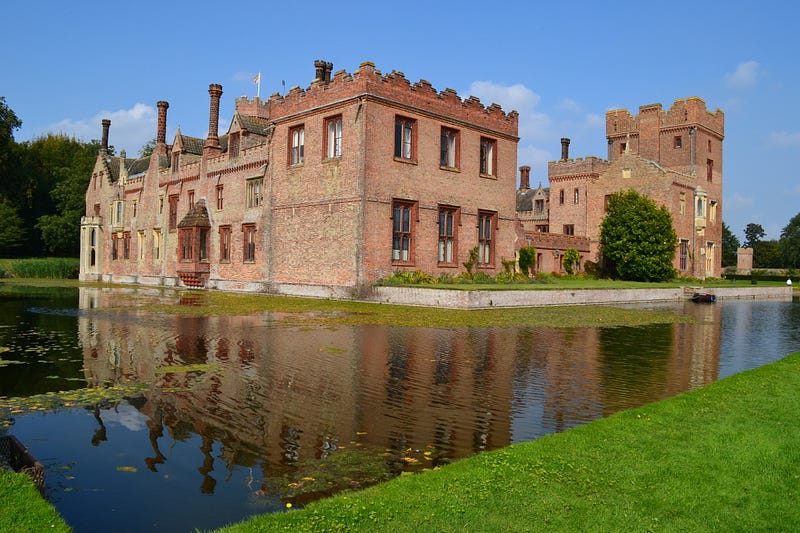
Oxburgh Hall in Norfolk, England, is a grand country home owned by the National Trust and open to the public. It’s currently having the roof retiled, and adaptations are being made to accommodate the resident bats.
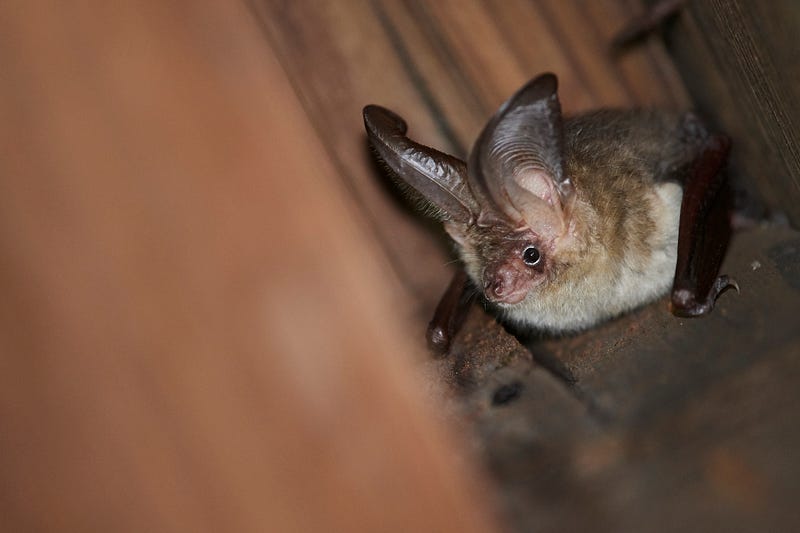
Six bat species have been spotted on the grounds, but it is brown long-eared, common pipistrelle and soprano pipistrelle bats that roost in the building. The brown long-eared bats use attics and roof spaces, and all three species roost in crevices under tiles and lead flashing.
Conservationists have discovered that the new tiles are too slippery for the bats to cling onto, so a special coating has been applied where the bats enter their roosting spaces.
David White, the National Trust’s Project Manager, said: “Our survey carried out by local bat experts found numerous signs of brown long-eared bats in the attics and roof spaces right across the hall. There were signs of a maternity roost in the past but the current use has been as day and night roosts for numbers of brown long-eared and common pipistrelle bats.
“We have worked with bat experts to create a new roost in the nearby Bell Tower and installed bat boxes in the trees on the north terrace to provide alternative roosting places whilst the roof work takes place. Currently, the bell in the Bell Tower can’t be rung, so not to disturb the bats.”
There will be 32 new bat openings around the roof, and tiles near the openings will be painted with a non-slip coating, so the bats don’t slip off.
A total of 14,000 new black-glazed pan-tiles are being used on the roofs at Oxburgh Hall. Historic records revealed that 50,000 pan-tiles and 800 ridge-tiles from Holland were needed in the 1770s to replace the originals. It is only the second roof restoration in Oxburgh Hall’s lifetime and the new tiles, sourced from the UK, are larger so fewer are needed.
It’s a big job, but a luxurious place to live, for Norfolk’s happy bats.
Would you like to read unlimited articles on Medium? It costs $5 per month and supports your favourite writers. Use my referral link to sign up, and you’ll support me directly with a portion of your fee, at no extra cost to yourself.
More from me…


