
Hong Kong English/Cantonese (XXIII)
The “Food Paradise” Has Non-Food Named after Food Thanks to Communists
It dates back in the 1960s
You may have noticed that Hongkongers are foodies. We mishear song lyrics for food.
You may as well have heard that Hong Kong is a “food paradise”, but I don’t think it can only be shown by a great variety of cuisines displayed in the city. Hong Kong is a food paradise, I believe, because we also have so many names of food that are used as slang words.
This time, I’m going to share what this is as a slang.
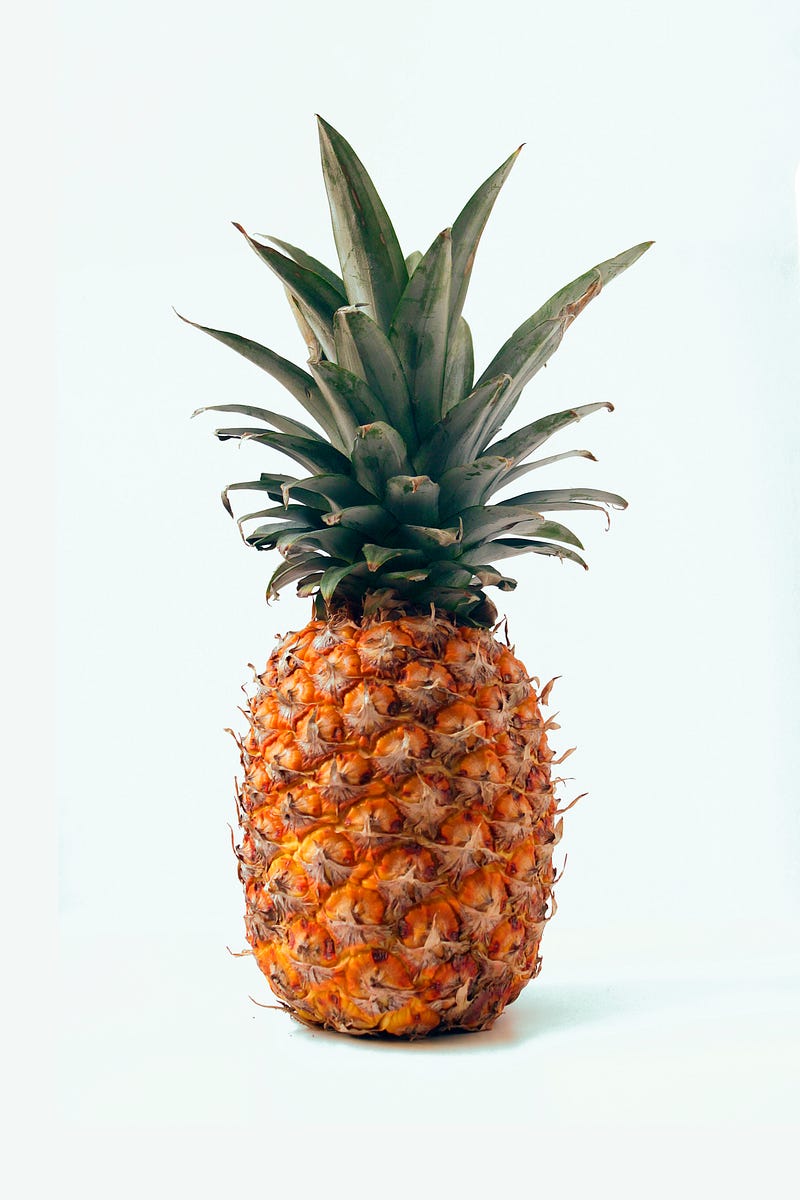
Pineapples (菠蘿 in Cantonese, Jyutping: bo1 lo4).
A common tropical fruit, scientifically a kind of berries. It isn’t pretty easy to eat and so some local kids nowadays only recognise it from the tins and believe that pineapples are like rings.
But I’m not here to tell you about this. Let me tell you about a slang use of “pineapples” which dates from the riots in Hong Kong more than 50 years ago.
Back in the year 1967, when the communist China started their Cultural Revolution which eventually lasted for 10 years, Hong Kong was also in the Chinese communists’s agenda to be taken over from the Brits.
But I’m not good at storytelling, so long story short: The Hongkongese communist supporters, backed by the CCP, got high morale and support from the Chinese Hongkongers (the vast majority of the population) at the start, but things got reversed when a “pineapple” “hit” two curious kids to death.
During that year, there were lots of “pineapples” on the street, and lots of people were wounded or dead because of the “pineapples” or the riots.
It wasn’t until the CCP called for a stop to the Hongkongese supporters that the riots stopped by the end of the year.
Why were “pineapples” so deadly? Did they just throw real pineapples at the people from the building and killed the passers-by? Or they had fine hands and arms like martial artists that they used genuine pineapples as a bat and hit people?
Of course not, the “pineapples” weren’t real pineapples. They were explosives, especially the improvised explosive devices (IEDs) which were called local-made pineapples (土製菠蘿, Jyutping: tou2 zai3 bo1 lo4).
Sidenote: If we talk about local-grown pineapples, we would say (本地波蘿, Jyutping: bun2 dei6 bo1 lo4) instead.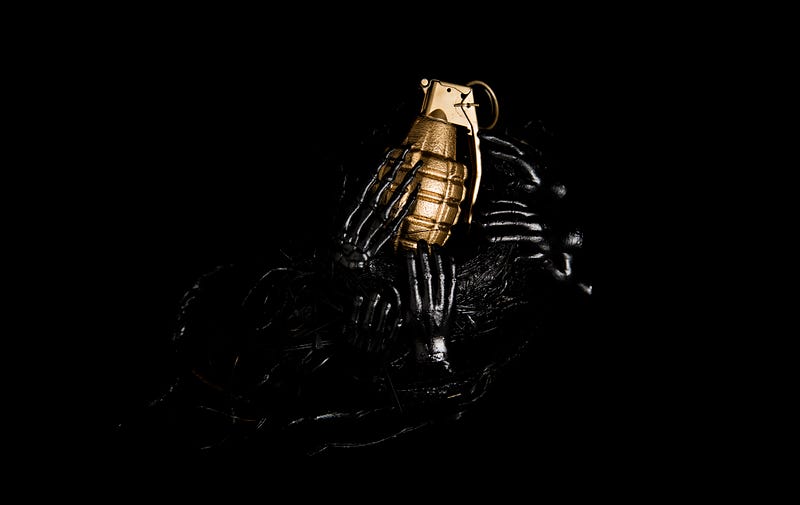
Some people say that it was the pineapple cans that the IEDs were called “pineapples” since then.
According to my father who was still a primary school boy that year, those people used cans to make IEDs, while some common cans were condensed milk. I guess pineapple cans were also common in that period.
But hey, take a look at a grenade. Doesn’t it look like a pineapple? They are both rounded and has some spikes. They also have long “tails” on top. This has been what I believe IEDs, and/or other explosives, are called “pineapples” in Hong Kong.
In 2019, paying tribute to the Hong Kong Federation of Trade Unions, who were mostly those communist-backed rioters during the 1967 riots, Hong Kong protesters put pineapple fruits outside their headquarters in Ma Tau Wai, Kowloon in a protest nearby.
Protesters also painted 同胞勿近 (Jyutping: tung4 baau1 mat6 gan6) at their gates. The phrase means “My fellows please stay away”, and were written on the genuine or fake “pineapples” to hurt non-supporters, especially police officers 50 years ago.
Here’s a Facebook post from Hong Kong Baptist University Students’ Union Editorial Board reporting the 2019 event.