
Photographing the Lentos Art Museum in Linz
Modern Architecture in an Old City
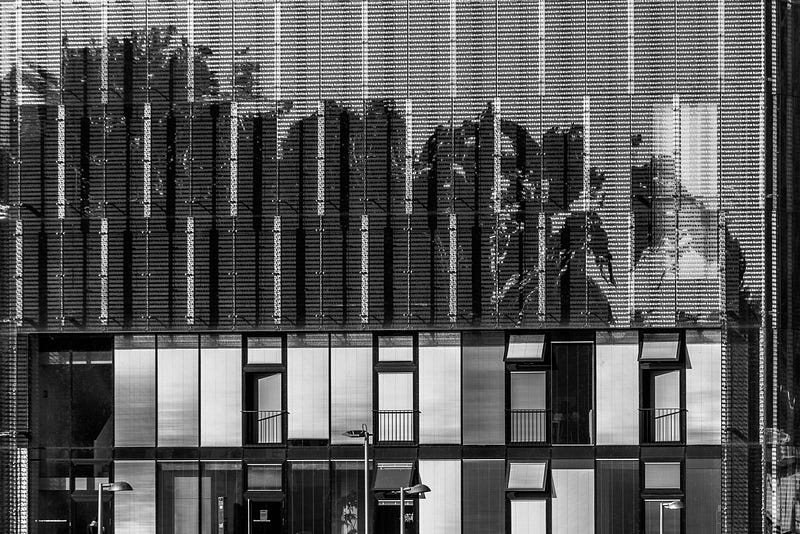
No matter where I travel to, I am always drawn to architecture. In Linz, most of what we were shown were the older structures. But when our tour group walked across the river, the Lentos Art Museum was before us. I could have spent hours photographing there but we didn’t have time to go inside. It was a place we passed on the way to somewhere else.
As we walked past I lagged behind the group (as usual) to get a few images of this cool architecture. I’ve learned over the years how to optimize my time when I know I have little of it to photograph a location.
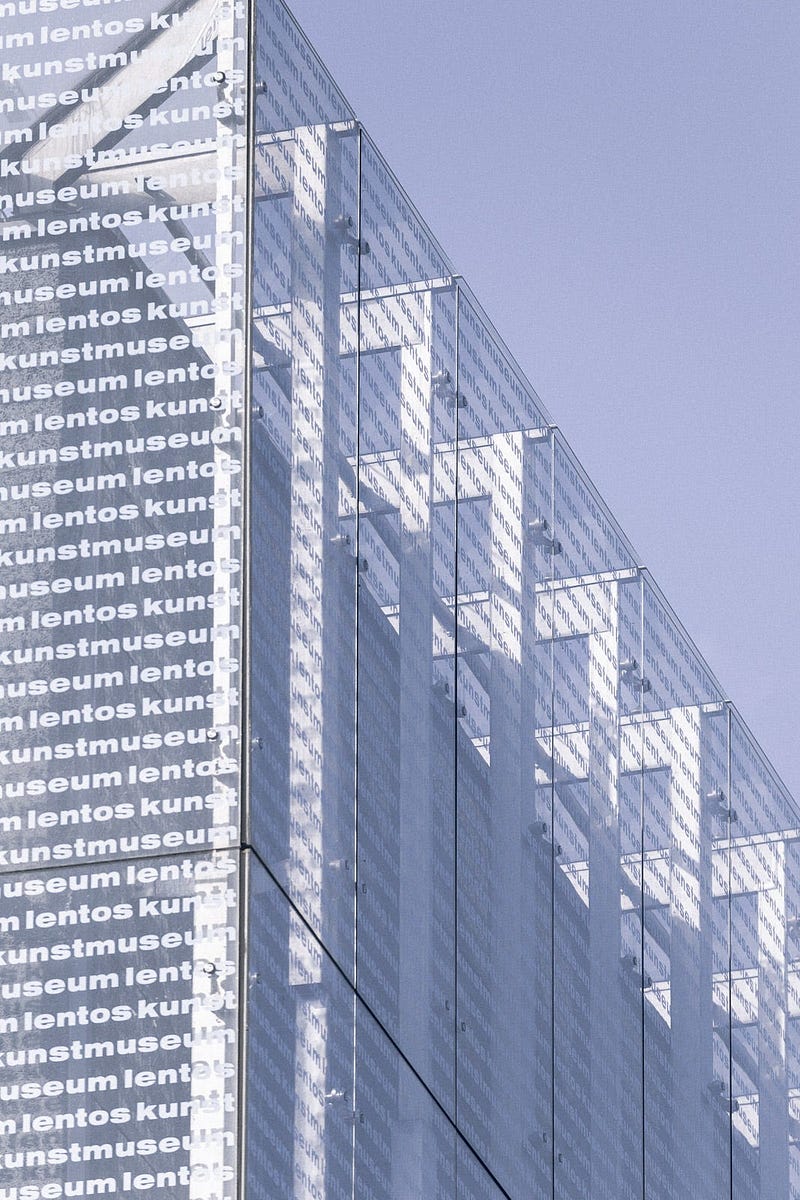
The writing of the name of the museum on the glass facade added an interesting pattern and texture to many of my images.
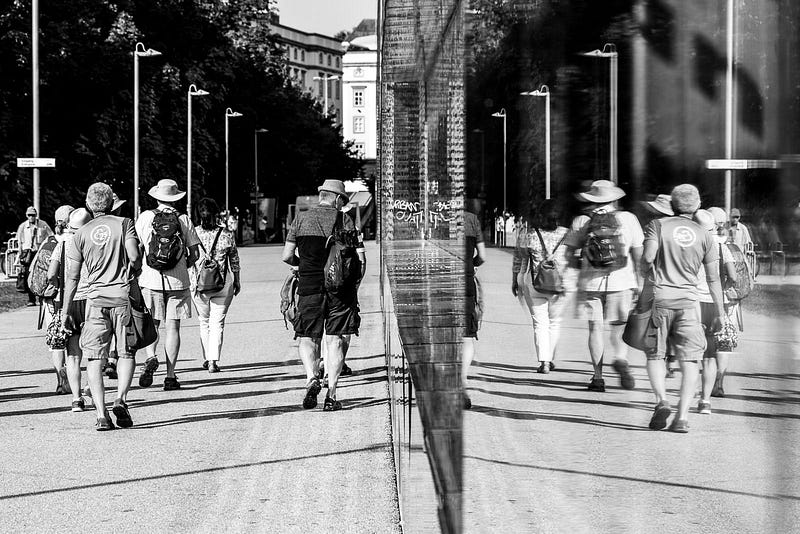
Following the tour group isn’t always a bad thing. Thankfully my husband listens to the tour guide and I can ask him questions later. Like, where was this photo taken?
This is a technique I use quite often in my architectural images. I place my camera (or phone) right up against the window/mirror/reflective surface and get a nice wide reflection from it.
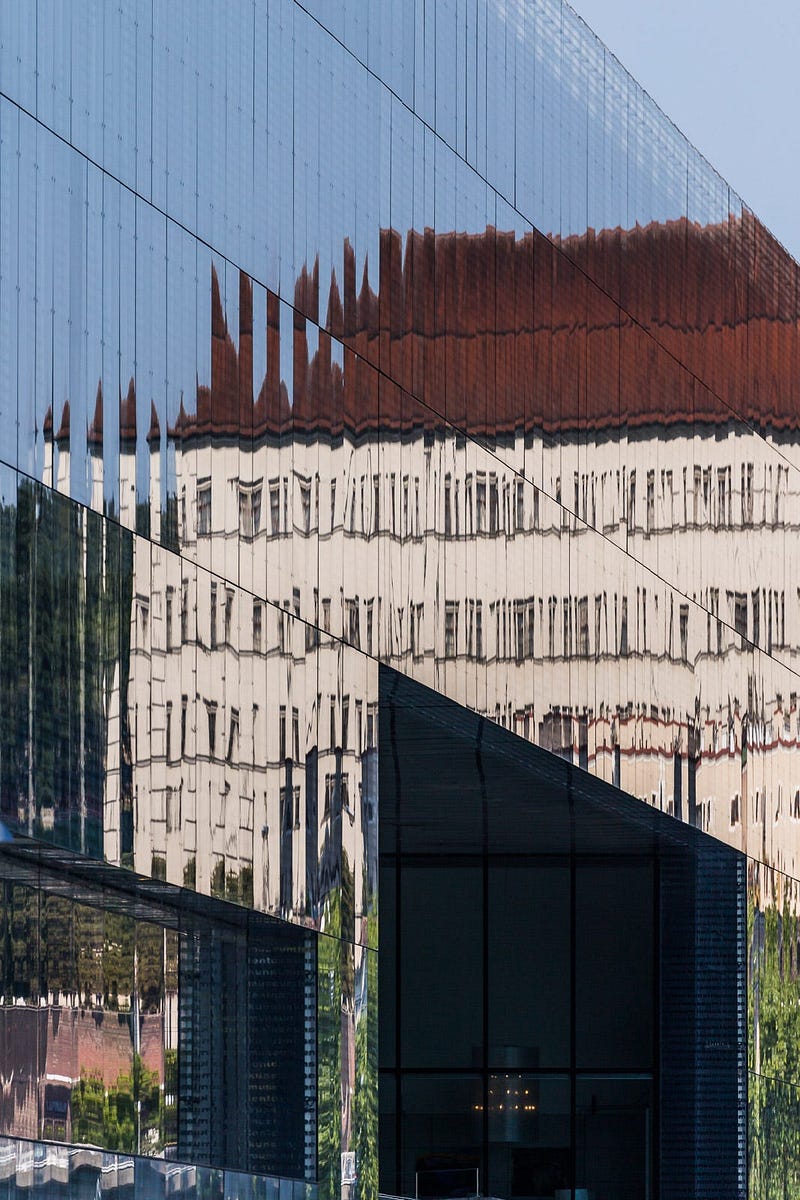
I love to find old and new to compose together in some way. Using reflections is a good way to do this. As you can imagine, many side-by-side opportunities exist in many locations. But, reflections add interest, depth and layers to an image.
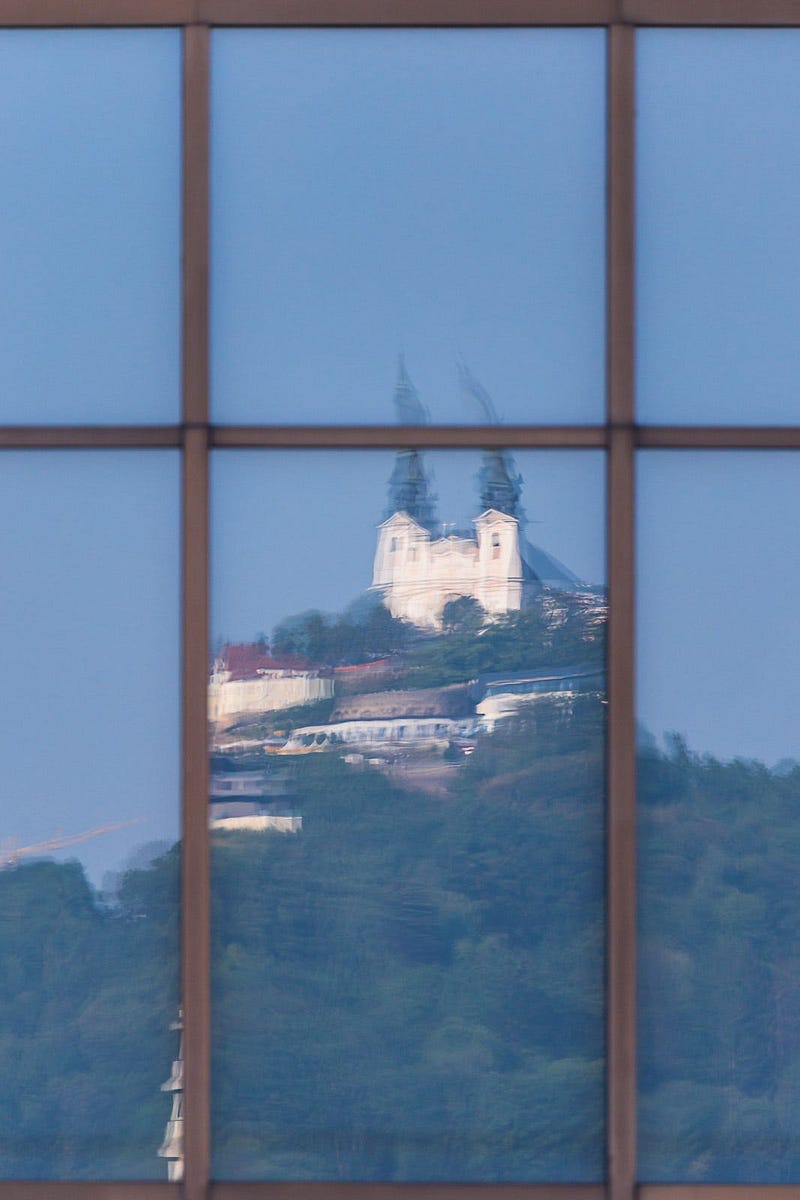
The Poslingberg Church was completed in 1748 and sits on a hill high above Linz. As we continued our walking tour, it caught my eye as a reflection in the modern Lentos Art Museum.
This is an example of showing a location, a known landmark, in a unique way. It’s still recognizable but shown in a different perspective and view than one would tend to create.
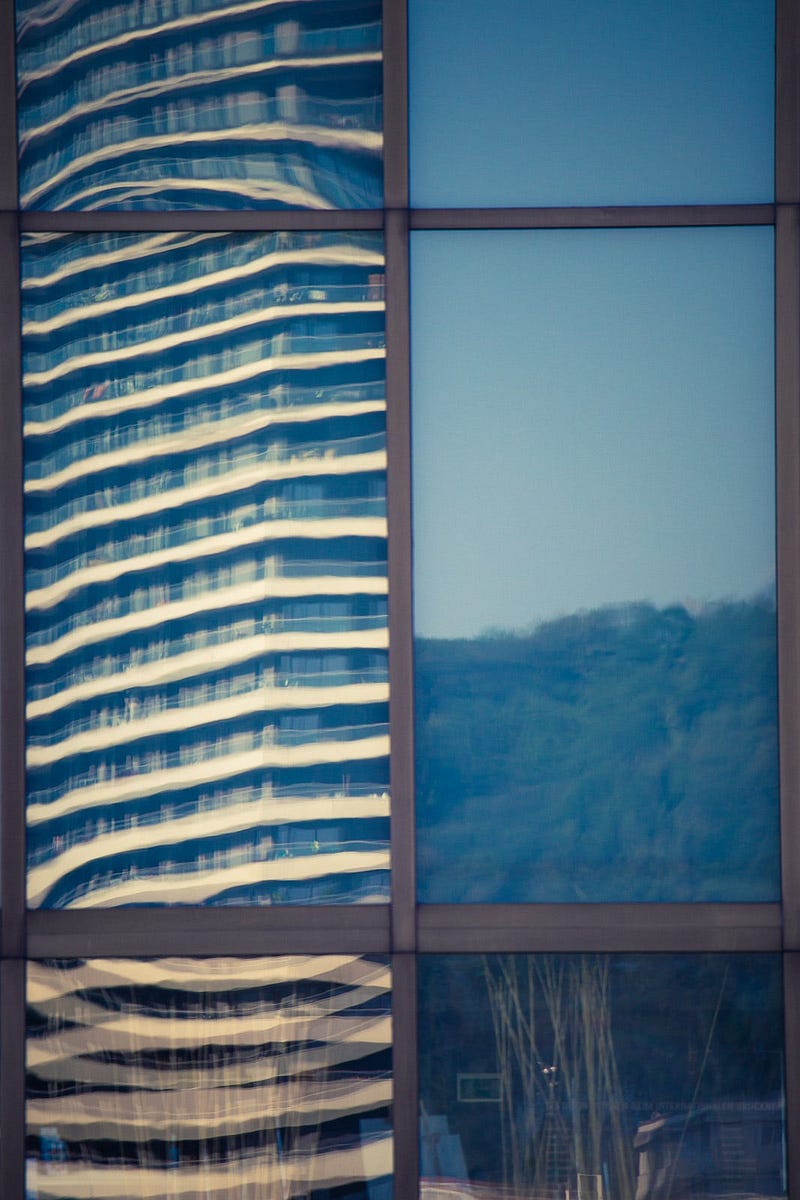
Another tip I can offer is to research your subject. Before you go, if you are aware of where you’re going or even after you return. Because I had no idea I’d see this museum in Linz when we went, I researched it when I got home.
Now, I want to go back to be able to visit the museum for the architecture of it and the art within. It’s beautiful and has quite an impressive collection of art and history of where that art came from.
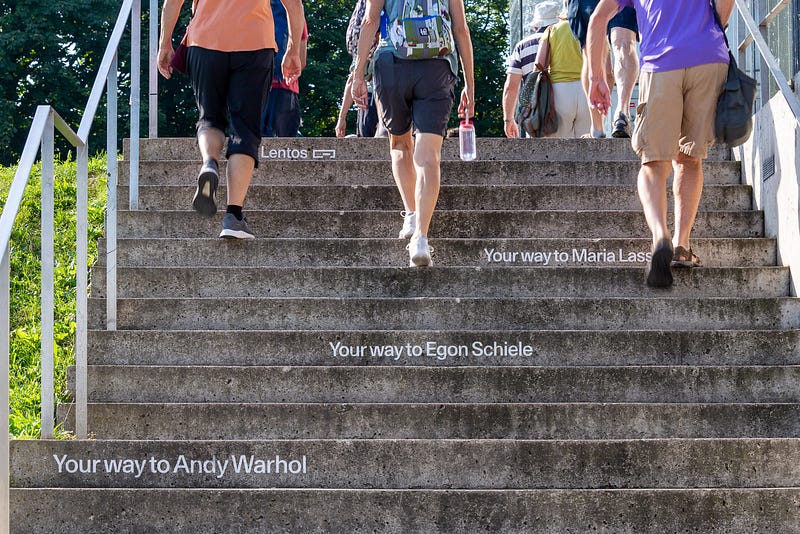
Don’t pass up opportunities to include people in your images. Yes, I said it. As a self-proclaimed “I don’t like people in my photos” person, sometimes it makes sense to have a person or two.
People can help add a sense of place and scale to an architecture (or any) image. While these stairs were interesting, adding my fellow tour members gave this purpose. Are they going to see these artists in the museum? It sure looks that way.
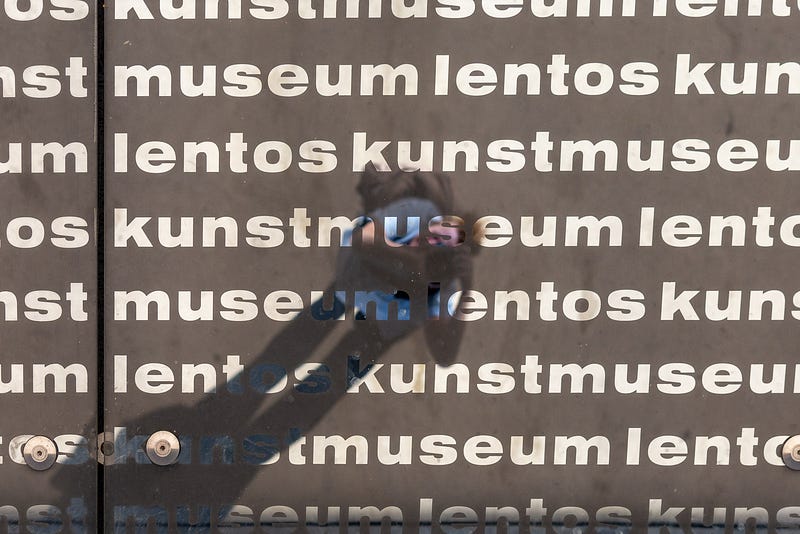
Don’t forget to add yourself to the photo once in a while. When I do this I try to make it as interesting as possible. No one wants to see another photo of you reflected in a window or mirror. Use your imagination! Look around, look up and down to see if there isn’t fun composition or light hiding somewhere.
Need some tips for photographing architecture? Check out this story:
I am a photographer, educator, mentor & photo tour guide.
If I have to classify my work it’s mostly fine art photography. Based outside of Chicago, I enjoy photographing architecture, traveling as much as possible and just wandering in nature with my camera are my favorite things to do.
Much of my photography is for sale. You’ll find my galleries here.
Subscribe for monthly inspiration, motivation & photography tips.
Have I inspired you in some way? I love a good cup of tea or a glass of wine.


