
Eight things to consider when photographing architecture
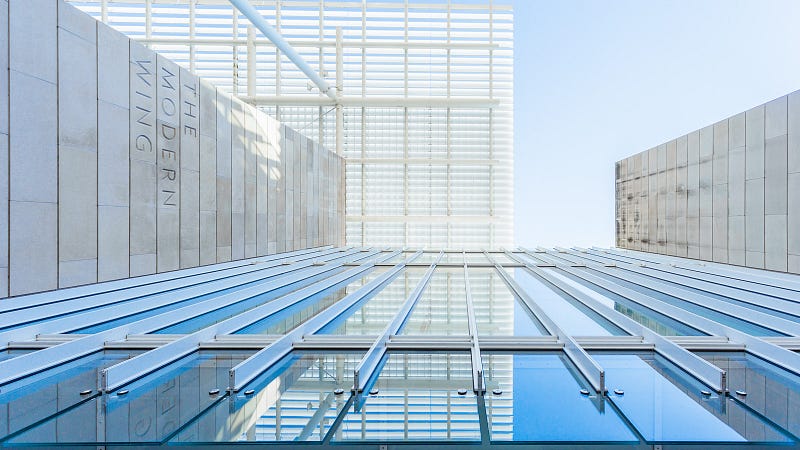
Architecture is all around us. Sometimes we use our cameras to create art from what we see instead of merely capturing moments. Here are a few suggestions to help you see the art in architecture the next time you head out to shoot it.
1) Put your camera down
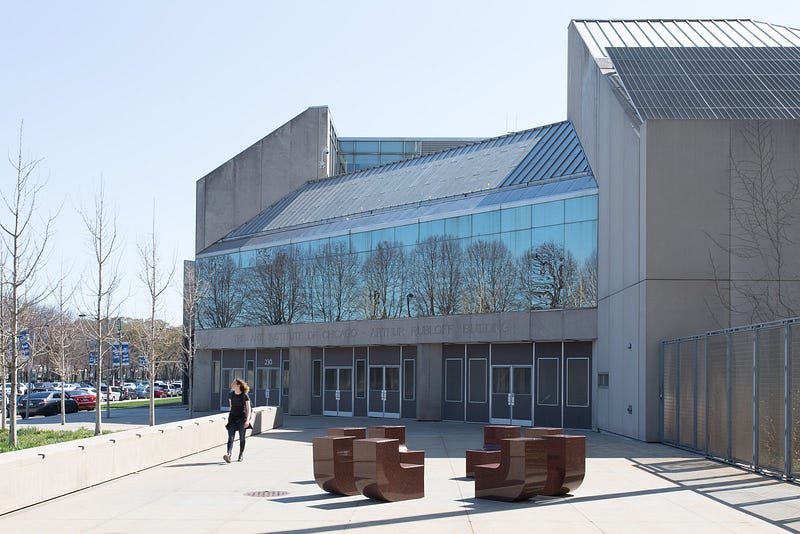
Too many times we get caught up in the moment and just start shooting everything and anything that is in front of us. When you find an interesting building you want to shoot, stop, put the camera down and look. Look up at the top of the building; does it create interesting shapes against the sky?
Look at the details, does the building have amazing gargoyles, patterns and shapes on its exterior? Check out the lights and shadows created on the facade and the sidewalk or ground surrounding the building. Walk around the entire building if you’re able, and find out what’s on the sides and back.
It can also be helpful to research a building online if you know in advance you’ll be in a certain area and learn a little bit about the history and the architect. This can also allow you to see the building differently. Another option is to sign up for a tour whether you’re traveling or even locally. Once you’ve taken the time to see the building then pick your camera back up and capture what caught your eye.
2) The big picture
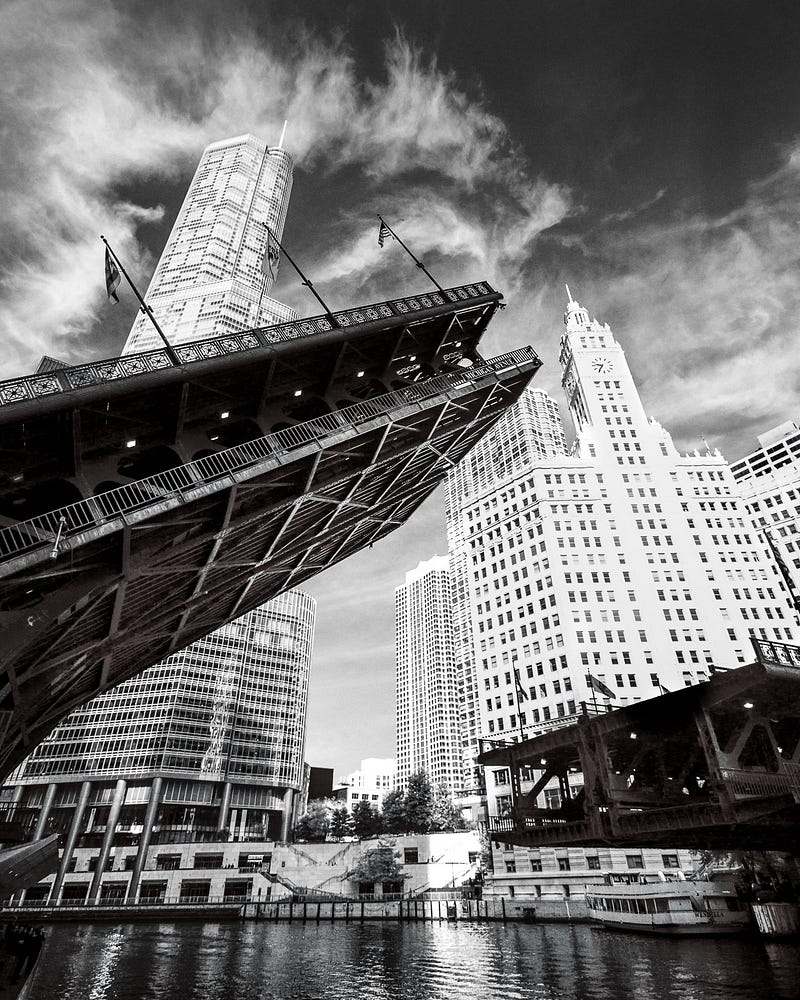
Take some shots of the entire building if you’re able to fit it in. Using a wide-angle lens can help with this. Be aware that a wide angle can distort and cause keystoning, causing the building or neighboring buildings to appear as if they are leaning. This is usually easily fixed in post-processing. Show the building in relation to other buildings or other elements in the area to give your viewer a sense of place.
3) Architectural details
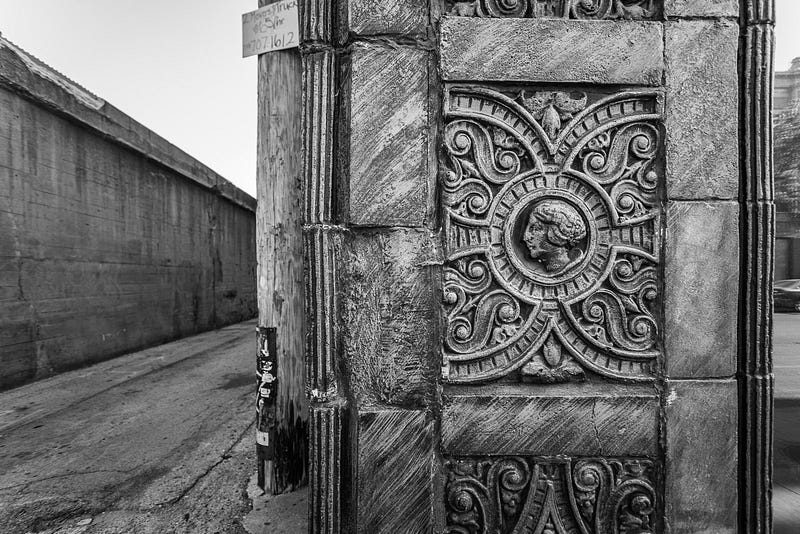
Get closer, and look for specific shapes, lines, light and shadows that create interesting compositions. Macro lenses are not just for flowers, try using your macro techniques on the building’s surface, and get up close and personal with the architectural details and decorations.
Use your telephoto zoom lens to reach those areas you can’t get to. Zooming in on details is another good way to shoot higher floors on taller buildings, details found in windows and areas you can’t see with the naked eye.
4) Angles and perspectives
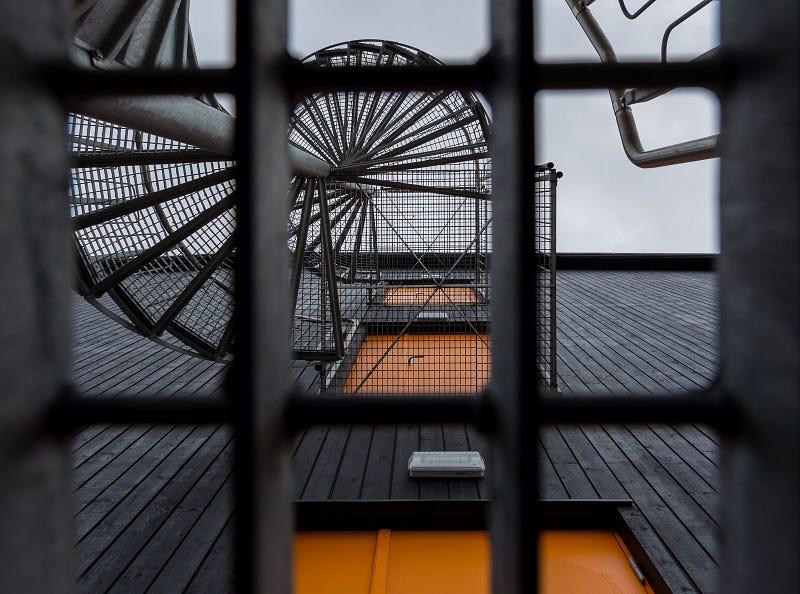
While you’re wandering around the building look for different angles and perspectives. Lay down on the ground, point your camera directly up against the wall, shoot down a window well or stairway, and angle your camera so you create the lines and shapes you want. Always think about new ways to present what you see.
5) Using reflections in architecture
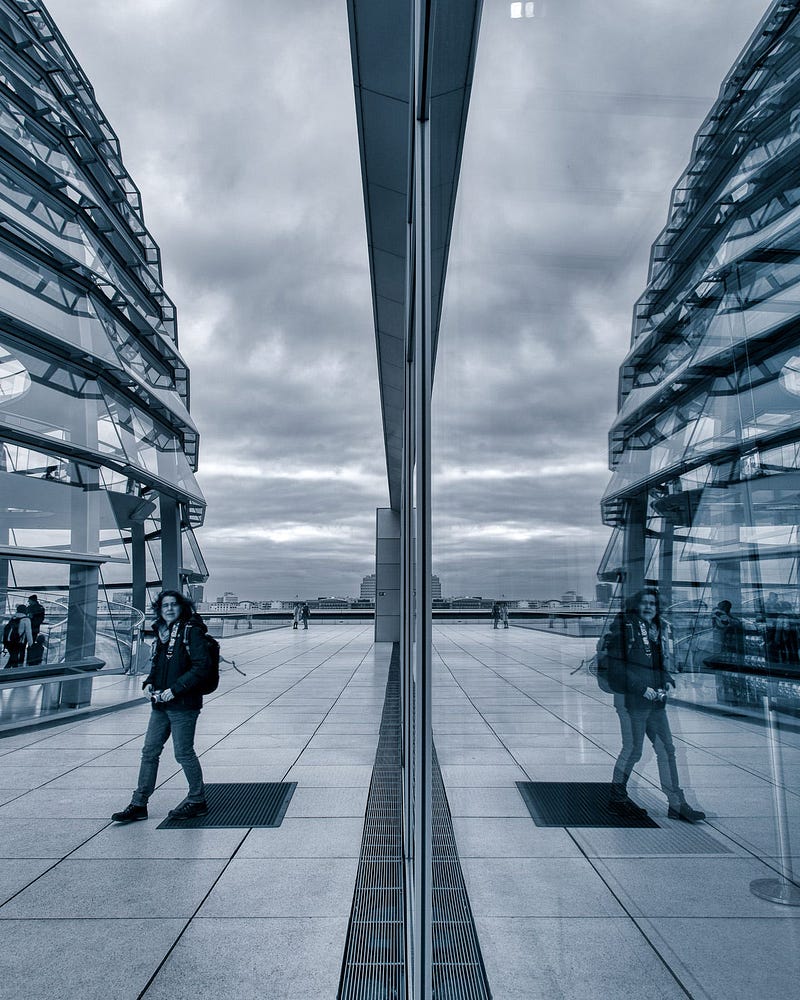
Reflections are a great way to add interest to your shot so it’s not just another architectural image. Windows, puddles, marble, mirrors, sunglasses and wine/water/beer glasses all make for excellent reflective surfaces. Shoot what is reflected in the building itself or shoot the building in the reflective surface you’re using. Move your camera around to see what shows up in the reflections.
6) Add a human element
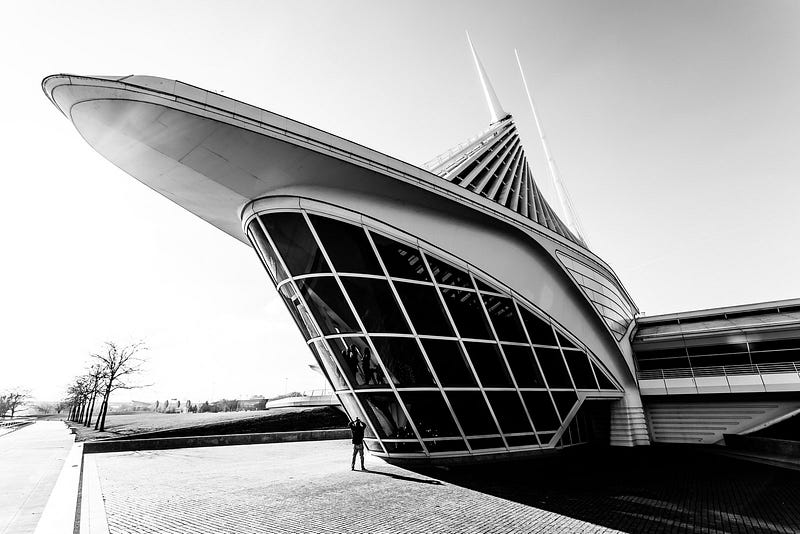
People in our architectural shots add scale and interest. They can give our building a sense of place, time and purpose. Watch for opportune moments as people wander in and out of the light and shadows around the building. Use architectural elements such as doors and windows to include people interacting with the building.
7) Architecture is not just in big cities
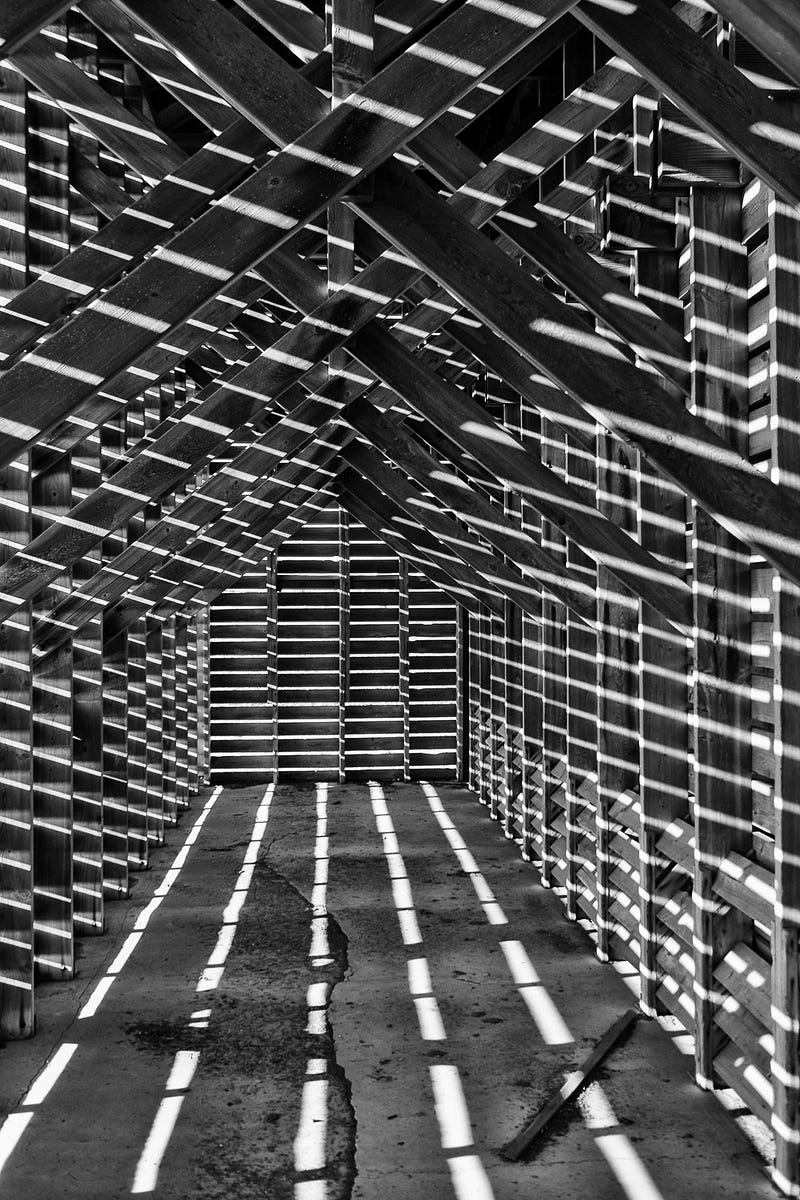
Don’t live in or near a large city? Architecture is everywhere, rural buildings, bridges and smaller towns. Old barns have character, small towns sometimes have amazing old theaters and railroad bridges are quite often very detailed architectural structures.
8) Photograph the architecture at different times of day/night
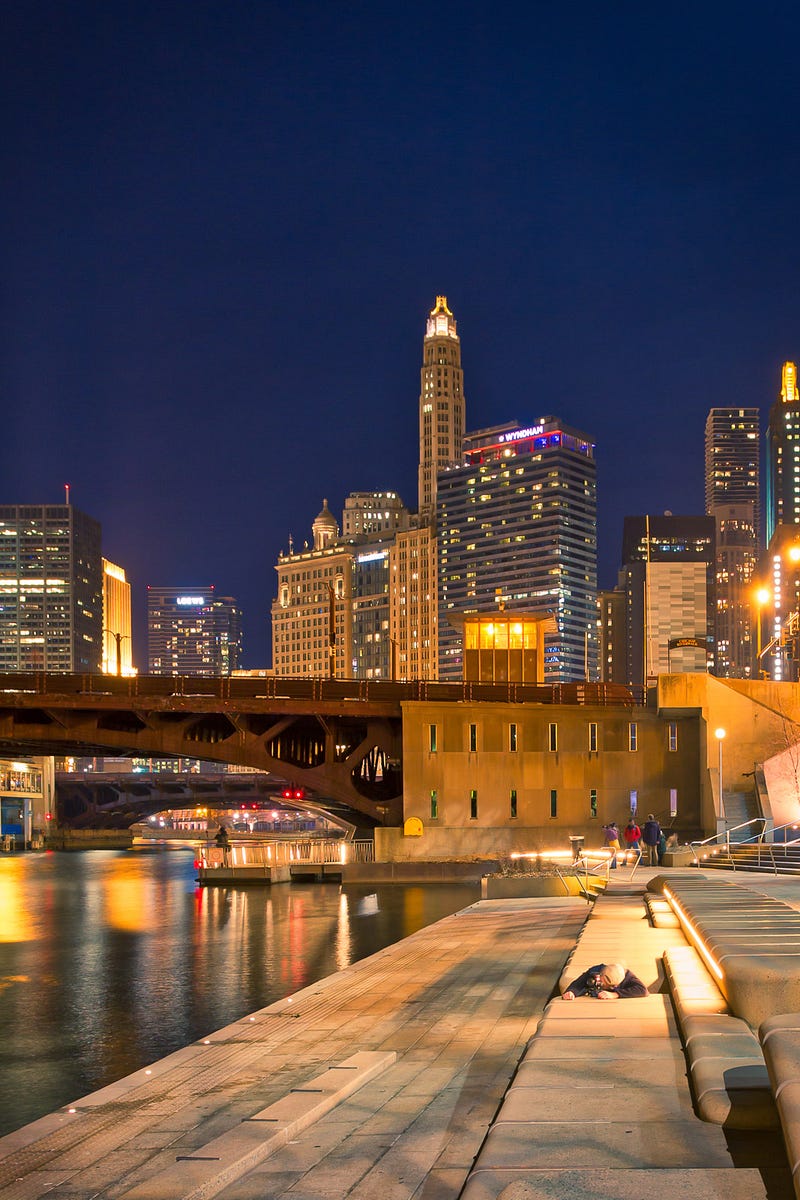
Don’t forget to go back often if you can. Light changes constantly with the time of day and weather. Go when it’s raining — rain creates the most amazing reflections. Snow can add a whole other feel to your images. The lights of the night will add a completely new element to buildings; just don’t forget your tripod.
Keep your eyes open and be aware of your surroundings whether you’re wandering around downtown New York, Chicago, Berlin or the town you grew up in. Do your research before you go, and learn what you can about the architect and the city/area you’re going to be shooting in. All of these things will help you to create images that tell the story of the architecture you’re shooting.
I am a photographer, educator, mentor & photo tour guide.
If I have to classify my work it’s mostly fine art photography. Based outside of Chicago, I enjoy photographing architecture, traveling as much as possible and just wandering in nature with my camera are my favorite things to do.
Subscribe for monthly inspiration, motivation & photography tips.


